
Why Upper Body Strength Matters in Athletic Performance
When many people think about athletic performance, they often focus primarily on lower body strength. While powerful legs are essential for running and jumping, upper body strength plays an equally important role in overall athletic development. Strong shoulders, arms, and back muscles contribute to sprint mechanics, throwing power, and total-body coordination.
For youth athletes competing in sports such as baseball, softball, volleyball, and track and field, upper body strength enhances performance while also reducing injury risk. A balanced strength program ensures that athletes develop the stability and power needed for efficient movement.
The Connection Between Arm Movement and Speed
Arm movement is a key component of sprint mechanics. During running, the arms help generate momentum and maintain balance. Proper arm swing supports powerful leg drive and efficient stride mechanics.
Athletes with strong upper body muscles can maintain better posture and arm control while sprinting. This improves running efficiency and helps athletes accelerate faster.
Upper body strength also supports explosive movements such as jumping and throwing by stabilizing the torso and transferring energy between the upper and lower body.
Staying loose and flexible is very important for all sports. Read this blog to learn the importance of stretching and some great routines to help keep you nimble while competing.
Upper Body Strength and Throwing Performance
In sports that involve throwing, upper body strength directly affects velocity and accuracy. Muscles in the shoulders, back, and arms generate force during the throwing motion, while the core stabilizes the body throughout the movement.
Developing strength in these muscle groups allows athletes to produce more powerful throws while maintaining control. At the same time, strengthening stabilizing muscles helps protect the shoulder joint from excessive stress.
Training programs should emphasize balanced muscle development to support both performance and injury prevention.
Safe Upper Body Exercises for Youth Athletes
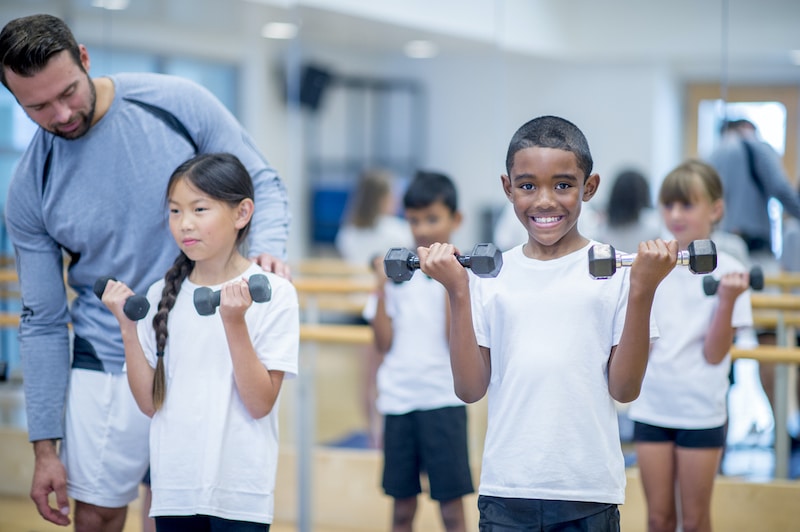
Youth athletes should focus on exercises that develop strength safely while maintaining proper technique. Bodyweight movements, resistance bands, and light weights are effective tools for building strength.
Push-Ups
Push-ups strengthen the chest, shoulders, and triceps while also engaging the core.
Pull-Ups or Assisted Pull-Ups
Pull-ups develop the back and arm muscles that support posture and throwing power.
Resistance Band Rows
Rows strengthen the upper back and help balance pushing exercises.
Medicine Ball Throws
Medicine ball drills develop explosive upper body power and coordination.
Planks and Core Exercises
A strong core improves stability and helps transfer power during athletic movements.
These exercises provide a safe and effective foundation for youth strength training.
Shoulder Stability and Injury Prevention
The shoulder is one of the most mobile joints in the body, which makes it vulnerable to injury. Strengthening the muscles surrounding the shoulder helps maintain joint stability during athletic movements.
Exercises such as resistance band external rotations and scapular stabilization drills strengthen the rotator cuff and supporting muscles. These exercises are particularly important for athletes who perform overhead movements.
Consistent shoulder stability training reduces the risk of injuries and improves movement efficiency.
Integrating Strength with Speed Training
To maximize performance benefits, upper body strength exercises should be combined with speed and agility drills. This integration ensures that strength gains translate into improved athletic performance.
For example:
- Medicine ball throws followed by sprint drills
- Push-ups paired with plyometric jump exercises
- Core training incorporated into agility circuits
This approach develops both strength and explosive movement capabilities.
Mental Benefits of Strength Training
Strength training also contributes to mental development. Youth athletes learn discipline, focus, and perseverance as they work toward strength goals.
Seeing measurable improvements in strength can boost confidence and motivation. Athletes who feel physically prepared are often more confident during competition.
Fun Fact: Sprint Mechanics Depend on Arm Power
Studies have shown that improving arm strength and coordination can improve sprint acceleration. Athletes who maintain powerful arm swings during sprinting often generate more forward momentum and maintain better running posture.
Upper body training helps athletes maintain these mechanics during high-speed movement.
Conclusion: Building Complete Athletes
Upper body strength plays a critical role in speed, power, and injury prevention for youth athletes. By developing strong shoulders, arms, and core muscles, athletes improve coordination, stability, and overall athletic efficiency.
Balanced training programs that include both upper and lower body strength work allow athletes to move more effectively and perform at higher levels during competition.
Athletes Untapped: Private Strength and Speed Coaching
Athletes Untapped connects youth athletes with private coaches specializing in strength training, speed development, and athletic performance. Personalized sessions focus on building explosive power, improving sprint mechanics, and developing total-body strength.
Through one-on-one coaching, athletes receive individualized training plans designed to enhance their speed, agility, and overall athletic ability. Structured drills and progressive strength programs help athletes maximize their physical potential while reducing injury risk.
With improved strength, speed, and confidence, youth athletes gain the tools they need to perform at their best and reach their athletic goals.
Find an experienced coach near you: https://athletesuntapped.com
Learn from our very best Coach Derek and Coach Cat!


