














Drive Phase, Block Clearance, and Acceleration Mechanics
Sprinting excellence begins with explosive block clearance and a powerful, low-angle acceleration drive phase out of the starting blocks. Set your block pedals securely, loading your weight forward into your hands with hips elevated above shoulder level at the “Set” command. Fire out of the blocks upon the gun, driving your back foot forcefully into the pedal with low, piston-like leg drives. Maintain a low forward body lean through your first 15-20 meters to build speed efficiently.
Max Velocity Mechanics, Upright Stride, and Mechanics
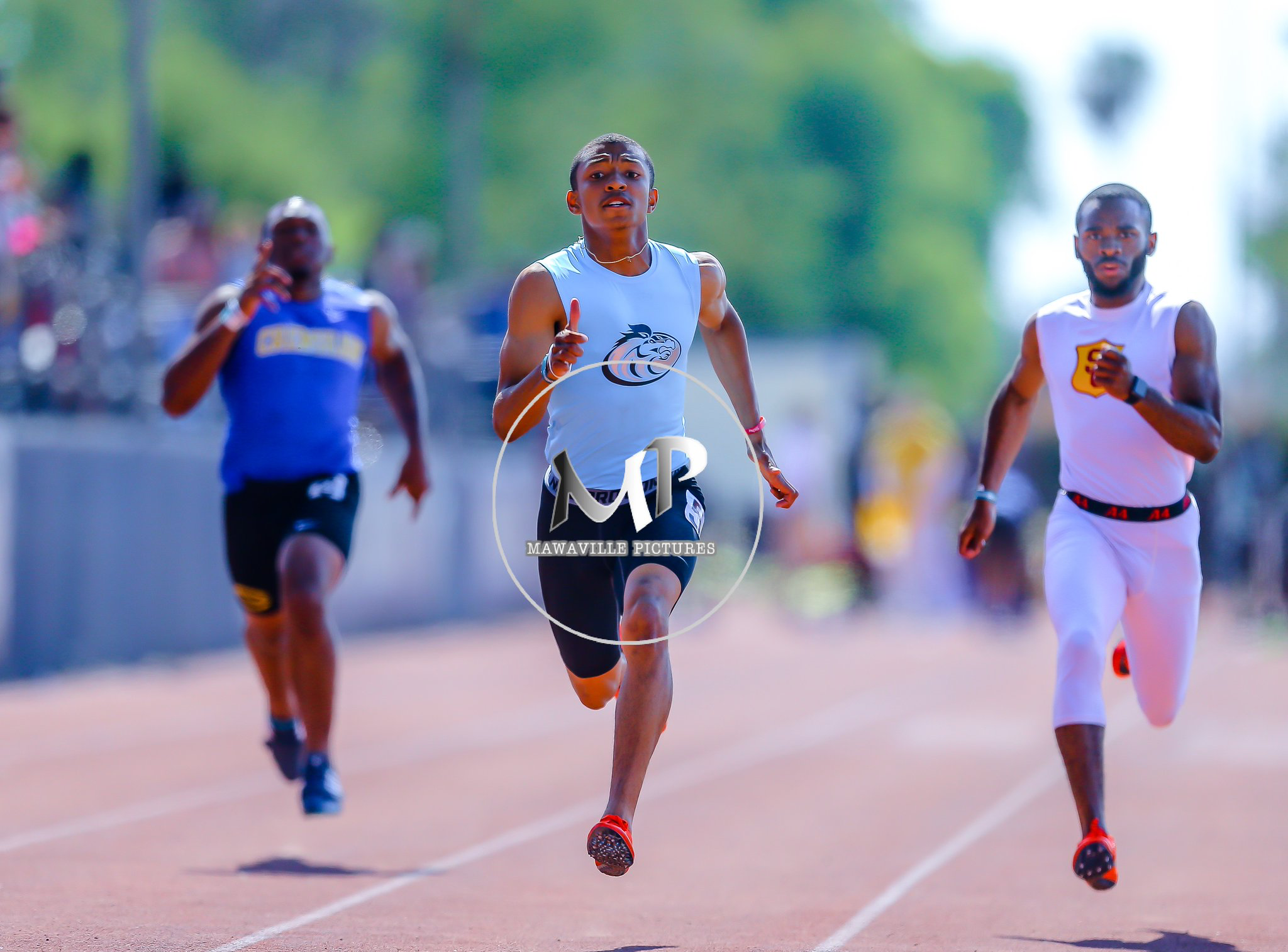
Transitioning from acceleration into top-end maximum velocity requires adopting a tall, relaxed upright posture with vertical force production. Operate with tall posture, high hip positioning, and a neutral spine, driving your knees upward in a rapid cyclical movement. Strike the track directly underneath your center of mass with a dorsiflexed ankle and quick spring-like foot contact. Minimizing ground contact time at top speed allows you to reach peak sprint velocity.
Speed Endurance, Buffering Lactic Acid, and Deceleration Control
Sustaining sprint velocity over the closing stages of the 100m, 200m, or 400m requires speed endurance and relaxed movement under fatigue. Maintain relaxed facial muscles, loose shoulders, and fluent arm drives even as metabolic fatigue and lactic acid build up. Avoid tightening up or forcing strides over the final 30 meters, as tension slows down stride turnover. Superior speed endurance minimizes late-race deceleration losses across the finish line.
Sprint Start Drills, Plyometrics, and Tendon Stiffness
Building world-class sprint speed demands developing fast-twitch neural activation, tendon stiffness, and explosive power output. Incorporate heavy sled pushes, single-leg bounding, depth jumps, and medicine ball acceleration throws into weekly training. Build ankle complex stiffness to minimize heel collapse upon striking the track surface at top speed. High plyometric capacity transforms force production into blistering track speed.
Race Plan Execution, Curve Running, and Sprint Mindset
Executing a winning sprint race requires trust in your race model and an unshakeable, locked-in mental focus. In the 200m, hug the inside lane line during curve acceleration, leaning into the bend to offset centrifugal forces before breaking onto the straightaway. Focus entirely on your own lane assignment without straining or looking at surrounding competitors during the race. A confident, calm sprint mindset unlocks peak athletic speed.
Frequently Asked Questions (FAQs)
How long should the drive phase last in a 100m sprint? Elite sprinters stay in a low, accelerating drive phase for roughly 20 to 30 meters before smoothly transitioning into upright maximum velocity mechanics.
What is ankle dorsiflexion, and why is it important in sprinting? Dorsiflexion is pulling your toes upward toward your shin before a foot strike. It pre-tenses the calves and Achilles tendon, creating a stiff spring impact upon contact with the track.
How do you prevent tightening up during the final 30 meters of a sprint? Focus on breathing, relaxing your jaw and shoulders, and maintaining your tall posture rather than trying to force extra speed through tight muscle strain.
How should a sprinter run the curve in a 200m race? Accelerate hard off the blocks aiming toward the tangent of the curve, hug the inside lane line, and lean your body slightly inward to neutralize centrifugal forces.
What weight room exercises build maximum sprint acceleration power? Heavy back squats, power cleans, trap bar deadlifts, and weighted hip thrusts build the lower-body force output needed for explosive sprint starts.