
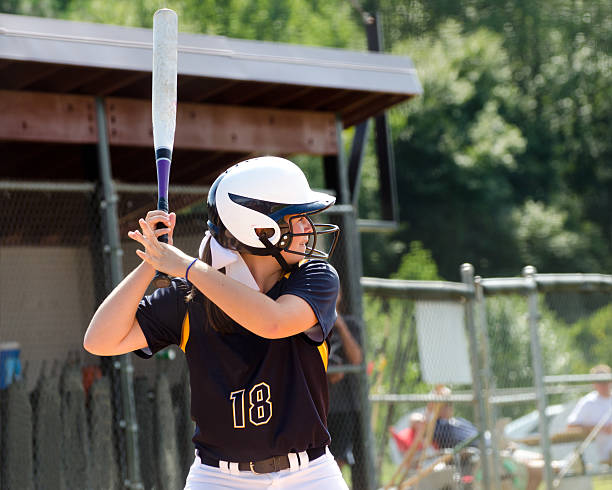
Why Advanced Hitting Skills Improve Performance
Once youth softball players build a foundation of proper swing mechanics, the next step is developing advanced hitting skills. Beyond basic fundamentals, advanced drills focus on increasing bat speed, improving pitch recognition, and refining situational awareness. These skills allow athletes to adjust to faster pitching, varied pitch types, and competitive game environments.
Advanced hitting directly impacts run production. Players who can drive the ball with power while maintaining control become consistent offensive threats. Situational hitters who understand when to move runners, hit behind runners, or target specific gaps add tremendous value to their teams. Developing these higher-level skills early prepares youth athletes for long-term success.
Read this blog to learn more about base running after hitting to really improve your softball game!
Bat Speed Development Drills
Bat speed is a major contributor to hitting power. The faster the barrel moves through the zone, the greater the potential for hard contact. However, increased speed must come without sacrificing balance or control.
Resistance-based drills—such as banded swings or weighted bat progressions—help strengthen the muscles involved in rotation. Medicine ball rotational throws build core power, which directly translates to stronger swings. Short, explosive movements are more beneficial than slow, heavy repetitions.
Improving bat speed not only increases distance but also allows hitters to react more effectively to faster pitching. When players trust their quickness, they stay aggressive and confident in the batter’s box.
Hitting Off-Speed Pitches
Advanced hitters must adjust to more than just fastballs. Changeups, curveballs, and rise balls challenge timing and discipline. Youth players should practice recognizing spin and adjusting their stride accordingly.
Drills that mix pitch speeds help hitters stay balanced rather than committing too early. Slowing down the load phase slightly can help players remain patient against off-speed pitches. Maintaining consistent mechanics—regardless of pitch type—is critical.
Exposure to varied pitching prepares athletes for competitive play. The more comfortable players are with different speeds and movement patterns, the more consistent their contact becomes.
Situational Hitting and Placement
Situational hitting separates good hitters from impactful ones. Players must learn how to adjust their approach based on game context. With a runner on second and no outs, the goal may be advancing the runner rather than swinging for power.
Practicing gap targeting helps hitters develop precision. Coaches can set up visual targets in the outfield to encourage placement rather than random contact. Understanding defensive alignment also improves decision-making.
Situational awareness increases scoring opportunities. Hitters who think strategically contribute more effectively to team offense.
Tee Drills for Consistency
The batting tee remains one of the most effective tools for developing consistency. Tee drills allow players to isolate swing mechanics without worrying about pitch timing. Repetition builds muscle memory and reinforces proper form.
Adjusting tee height and position challenges hitters to practice different pitch locations. Inside, outside, and low-pitch tee work prepares athletes for game-like variety.
Consistency developed through tee work translates directly to improved live performance. Strong fundamentals create a reliable swing foundation.
Soft Toss and Front Toss Drills
Soft toss and front toss drills bridge the gap between tee work and live pitching. These controlled drills simulate realistic timing while allowing players to focus on hand-eye coordination and swing path.
Front toss helps hitters track the ball from release to contact. Emphasizing a smooth load and balanced finish during these drills reinforces good habits.
Structured repetition builds rhythm and confidence. When hitters repeatedly square up controlled tosses, they develop trust in their mechanics for game situations.
Weak-Hand and Opposite Side Development
Balanced development improves versatility at the plate. Even if a player does not switch-hit in games, practicing with the non-dominant side strengthens coordination and muscle balance.
Weak-hand drills also improve overall bat control. Strengthening both sides of the body enhances rotational power and reduces imbalances that can affect mechanics.
Skill symmetry makes hitters more adaptable and resilient, especially against varied pitching styles.
Power and Contact Drills Together
True offensive impact comes from blending power with accuracy. Drills that focus solely on power may encourage over-swinging, while drills focused only on contact can limit explosiveness. Combining both elements creates well-rounded hitters.
Line-drive drills that emphasize lifting the ball with controlled mechanics are especially effective. Players should focus on driving through the ball rather than trying to “muscle” it.
Power with control reduces strikeouts and increases extra-base hit potential. Balanced training builds complete offensive players.
Mental Preparation for Hitting
Hitting success depends heavily on mental readiness. Confidence, patience, and focus influence performance just as much as physical mechanics. Developing a consistent pre-at-bat routine helps players manage nerves and stay composed.
Visualization techniques—such as imagining successful contact—can improve timing and anticipation. Staying disciplined and avoiding chasing poor pitches increases overall efficiency.
Mental preparation builds resilience. Hitters who remain calm under pressure perform more consistently in high-stakes situations.
Common Hitting Mistakes to Avoid
Advanced hitters can still fall into common traps. Over-swinging often disrupts balance and timing. Poor weight transfer limits power. Early hip rotation may cause weak contact or foul balls.
Coaches should monitor mechanics closely and provide immediate feedback. Slowing drills down periodically allows players to refocus on proper sequencing.
Consistent structured practice reinforces correct habits and prevents small flaws from becoming long-term issues.
Translating Drills to Game Situations
Drills are most effective when they mirror game conditions. Live-pitch sessions, situational scrimmages, and pressure-based competitions prepare players for real at-bats.
Adding elements like count-based hitting or runner advancement challenges enhances realism. Skills developed under controlled pressure transfer more effectively to competitive environments.
Confidence grows when athletes know they have practiced for every possible scenario.
Athletes Untapped: Private Softball Advanced Hitting Coaching
Athletes Untapped connects youth softball players with private coaches who specialize in advanced hitting development. Personalized instruction focuses on bat speed, contact consistency, pitch recognition, and situational awareness.
With targeted drills and expert feedback, players refine their mechanics and elevate their offensive impact. Structured coaching accelerates development and builds confidence, helping athletes become powerful, adaptable hitters.
Find an experienced coach near you: https://athletesuntapped.com
Learn from our very best Coach Bert and Coach Analise!


