
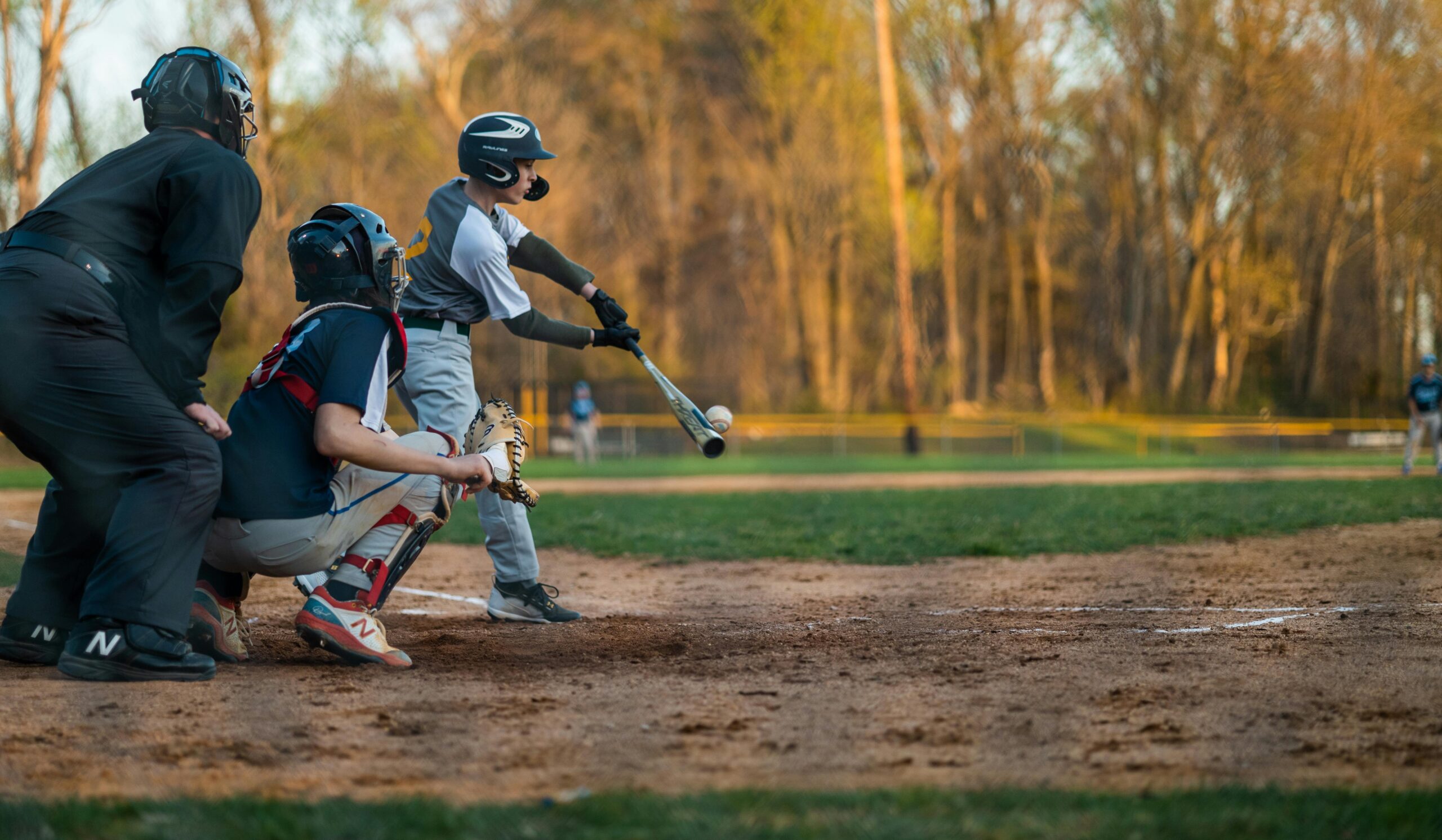
In baseball, possessing the raw rotational power to launch a ball 400 feet into the bleachers is a spectacular physical asset. However, baseball plate discipline is what actually dictates whether you ever get a pitch worth hitting or if you spend the entire game walking back to the dugout after striking out on sliders in the dirt. You can have the fastest bat speed on your team, but if you consistently swing at fastballs at your eye level or chase curveballs bouncing in the opposite batter’s box, your physical talent is completely wasted. Hitting is not just about swinging hard; it is a highly intellectual game of strike zone management, pitch recognition, and emotional control.
At Athletes Untapped, our coaches notice that many young baseball players treat every single pitch like a home run derby. They step into the box with extreme anxiety, pre-determining that they are going to swing before the pitcher even releases the ball. This lack of cognitive processing leads to incredibly high strikeout rates, weak ground balls on pitches outside the zone, and a highly frustrating inability to get on base and help the team score runs.
The secret to raising your batting average and becoming a nightmare for opposing pitchers lies in mastering baseball plate discipline. Proper visual and mental training fixes these reckless habits, allowing hitters to shrink the strike zone in hitter’s counts, recognize spin out of the pitcher’s hand, and establish a calm, methodical approach that completely neutralizes elite pitching.
Connect with a Private Baseball Coach: https://athletesuntapped.com/browse/baseball/
Why Baseball Plate Discipline Matters for Athlete Development
Your plate discipline dictates your overall offensive reliability and your ability to dictate the tempo of an at-bat. Without a sound understanding of the strike zone, you are essentially bailing the pitcher out and doing their job for them on every swing.
- Game Performance: Elite plate discipline directly translates to a high on-base percentage and grueling at-bats. When you fully understand how to lay off a pitcher’s best breaking ball early in the count, you force them to throw a fastball over the heart of the plate. You turn a quick 0-2 deficit into a highly favorable 3-1 hitter’s count simply by refusing to chase pitches that you cannot physically drive into the gaps.
- Confidence: Our coaches have seen athletes improve faster when they master their strike zone awareness at the start of every batting practice. When you know exactly what your specific “happy zone” looks like, the fear of striking out completely vanishes. You gain the composure to let borderline pitches go, trusting your eyes and your hands because your approach is backed by rigorous visual training and tactical discipline.
- Long-Term Development: As you progress to high school and collegiate baseball, pitchers stop throwing fastballs right down the middle and begin heavily utilizing sharp breaking balls and changeups to get you out. You no longer have the luxury of just reacting to straight velocity. A tactically sound foundation protects you from being easily exploited by off-speed pitches. It provides the elite baseball IQ needed to string together quality at-bats, ensuring your value scales as collegiate coaches actively recruit players who know how to draw walks and drive up pitch counts.
Best Drills / Tips / Techniques
You cannot master plate discipline by just getting in the cage and mindlessly swinging at every ball flipped your way. You need active, scenario-based training that forces you to read the pitch and make split-second swing decisions. Here are 5 drills AU coaches use with their athletes to build an elite eye at the plate.
1. The Yes-Yes-No Tracking Drill
Stand in the batter’s box with a helmet on but no bat in your hands while a pitcher throws a live bullpen session. As the pitcher winds up, mentally tell yourself “yes” to prepare to swing, and at the last possible second, either say “yes” out loud if the pitch is a strike or “no” if it is a ball. This is the absolute foundation of pitch recognition because it removes the physical pressure of swinging, isolating your eyes and brain to track the ball from the release point to the catcher’s mitt. It teaches the hitter to expect a strike every time, keeping the body aggressive, but only shutting the swing down when the pitch breaks out of the zone. Keep your head completely still and track the ball all the way into the glove. A frequent error here is giving up on the pitch halfway to the plate, completely failing to recognize late movement or drop that turns a high fastball into a perfect strike.
2. Color-Coded Soft Toss
Have a coach or partner throw front toss using a mix of standard white baseballs and distinctly colored baseballs, like red or green. You are only allowed to swing at the white baseballs, actively taking the colored ones no matter where they are pitched. Game-speed discipline requires rapid cognitive processing, and this trains the brain to make split-second decisions based on visual cues rather than just blindly swinging at movement. It teaches the athlete that they can physically stop their swing even after their front foot has landed. Maintain a soft, relaxed focus on the pitcher’s release window so you can pick up the color instantly. Hitters frequently make the mistake of shifting their weight entirely onto their front foot early, making it physically impossible to hold up their swing when a colored ball is suddenly tossed.
3. The Shrinking Zone Game
Take a round of batting practice where you are only permitted to swing at pitches perfectly located in the middle-third of the plate, letting strikes on the inside and outside corners go by without moving your bat. Plate discipline is largely about count leverage, and this drill trains the offensive mindset required for hitter’s counts like 2-0 or 3-1. It teaches the player that a strike on the black of the plate is a pitcher’s pitch, and attempting to pull an outside pitch early in the count usually results in a weak ground ball or pop-up. Look for a pitch you can drive with maximum power in your specific sweet spot. A massive trap is getting bored and swinging at a marginal pitch simply because you haven’t swung the bat in a few reps, which completely ruins the psychological discipline the drill is designed to build.
4. The Two-Strike Battle Approach
Start every single at-bat during a live scrimmage or batting practice with an automatic 0-2 or 1-2 count. Widening your stance slightly and choking up an inch on the bat, your only goal is to aggressively foul off tough pitches and put anything remotely close to the strike zone in play. Striking out looking is the ultimate failure of situational plate discipline, so this drill trains the gritty, survival mindset required to battle a pitcher when you are behind. It teaches the athlete to expand their zone slightly to protect the plate, forcing the defense to make a play rather than giving the pitcher a free out. Eliminate your big leg kick and focus entirely on making hard contact. Players often take massive, looping swings on two-strike curveballs, completely missing the pitch because their swing was entirely too long for a defensive situation.
5. The 3-Plate Deep Tracking Drill
Place three home plates in a line stretching from the standard batter’s box back toward the catcher/umpire area. The hitter must stand at the furthest back plate while a coach throws batting practice from standard distance, forcing the hitter to wait significantly longer before initiating their swing. Elite discipline requires letting the ball travel, and this drill builds the immense physical patience necessary to hit off-speed pitches and recognize spin. It teaches the hitter to keep their hands back and let the ball get deep into the zone instead of lunging forward at the first sight of the pitch. Drive the ball aggressively up the middle or to the opposite field gap. A common instinct is to reach forward and try to hit the ball where the normal home plate would be, entirely defeating the purpose of letting the ball travel and tracking it deep.
Common Mistakes Athletes Make
Discipline errors are incredibly common in youth and high school baseball, often because players let their ego and their eagerness to get a hit completely override their tactical approach.
- Swinging at the Pitcher’s Pitch: Attempting to crush a perfect slider on the outside corner early in the count frequently results in weak contact because athletes are too eager to swing the bat. To correct this, you must shrink your zone when you have zero or one strike. Only attack mistakes over the heart of the plate, and be perfectly willing to let a borderline strike go by early in the at-bat.
- Guessing Pitches: Striking out looking on a fastball right down the middle happens because the batter completely convinced themselves an off-speed pitch was coming. You can fix this by relying on reaction rather than prediction. Always look for the fastball and adjust your timing to the off-speed pitch; if you sit dead-red on a curveball, you will never catch up to a good fastball.
- Lunging at Off-Speed: Shifting all your body weight onto your front foot before the ball arrives leaves you completely helpless against a changeup or curveball. This happens when your timing is entirely tied to your stride rather than your hands. To solve this, practice keeping your weight back on your rear hip even as your front foot gently touches the ground, keeping your hands loaded until you recognize the spin.
- Letting the Umpire Dictate Emotion: Throwing a tantrum or completely losing focus because the umpire called a ball a strike stems from a lack of emotional control. Fix this by adapting to your environment immediately. The umpire’s strike zone is the only one that matters; if they are calling pitches two inches off the outside corner a strike, you must physically adjust your plate coverage to protect that edge rather than complaining about it.
How Private Coaching Accelerates Improvement
Baseball plate discipline is a highly cognitive skill that relies on translating microscopic visual cues like ball spin and arm angle into an instantaneous physical swing decision. Trying to self-diagnose your eye tracking, your weight shift, or your swing decisions during a 70-mph live at-bat is practically impossible for most players.
This is where private coaching comes in. We have found that personalized instruction helps athletes build the specific cognitive and physical skills required to recognize pitches and manage the strike zone, leading to significantly faster skill development.
A private baseball coach helps accelerate skill development by breaking down your visual mechanics and your load sequence in a controlled, isolated batting cage setting. Our coaches provide personalized feedback on how to keep your head perfectly still during the stride and how to recognize the specific release points of different pitches. By utilizing slow-motion video analysis, coaches can correct mistakes early, showing you exactly where you lunged forward or pulled your front shoulder off the ball before those bad habits permanently ruin your swing timing. Ultimately, this 1-on-1 environment focuses on massive confidence building. When you possess an elite baseball IQ and a refined eye, you stop fearing two-strike counts, allowing you to step into the batter’s box knowing you have the discipline to wait for your perfect pitch.
Find a Private Baseball Coach: https://athletesuntapped.com/browse/baseball/
Frequently Asked Questions About Baseball Plate Discipline
What is plate discipline in baseball?
It is a batter’s ability to accurately evaluate the location and trajectory of a pitch in real-time, deciding to swing aggressively at pitches within their specific hitting zone while successfully holding back on pitches outside the strike zone.
How can I stop swinging at breaking balls in the dirt?
Chasing dirtballs is usually a timing issue. You must practice letting the ball travel deeper into the hitting zone and picking up the upward “pop” of the pitcher’s release that signals a curveball. Keeping your weight back allows you to recognize the downward break before committing your hands.
Does taking walks make me a better hitter?
Absolutely. Drawing a walk is a highly productive offensive outcome. It forces the pitcher to throw more pitches, creates traffic on the base paths, and proves to the opposing team that you refuse to swing at bad pitches, ultimately forcing them to throw you better pitches to hit later in the game.
Should my approach change with two strikes?
Yes. With less than two strikes, your zone should be small, focusing only on pitches you can drive for extra bases. With two strikes, your zone must physically expand. You must choke up, widen your stance, and fight off any pitch that is borderline to stay alive in the at-bat.
Do private coaches help with the mental side of hitting?
Absolutely. Private baseball coaches are essential for walking players through situational hitting and pitch recognition. They provide live feedback, correct your physical “tells” when you are fooled by a pitch, and run visual tracking drills that train your brain to slow the game down.
Conclusion
Mastering baseball plate discipline is the undeniable foundation of a consistent, high-average, and deeply feared hitter. Without it, you are just an athlete taking wild hacks at the plate, leaving your offensive success entirely to luck and allowing the opposing pitcher to dictate exactly how the game is played.
Improvement is highly achievable with proper visual and mental training. Encourage yourself to practice tracking pitches without a bat, maintain your discipline in the “happy zone,” and embrace the gritty battle of a two-strike approach. Consistent practice will inevitably yield a much more dangerous, patient, and unshakable presence in the batter’s box.
Train With a Private Baseball Coach
Athletes Untapped connects athletes with vetted private coaches across the country for one-on-one training.
Private coaching helps athletes:
- improve faster
- build confidence
- receive personalized feedback
- reach their full potential
About Athletes Untapped
Athletes Untapped connects baseball players with experienced private coaches who specialize in plate discipline, pitch recognition, and advanced hitting mechanics. Through personalized instruction and structured training plans, AU coaches help hitters eliminate high strikeout rates, master their strike zone management, and completely dictate the tempo of every at-bat.
Find an experienced coach near you: https://athletesuntapped.com
Learn from our very best AU coaches!


