Why Hitting Is a Key Skill in Volleyball
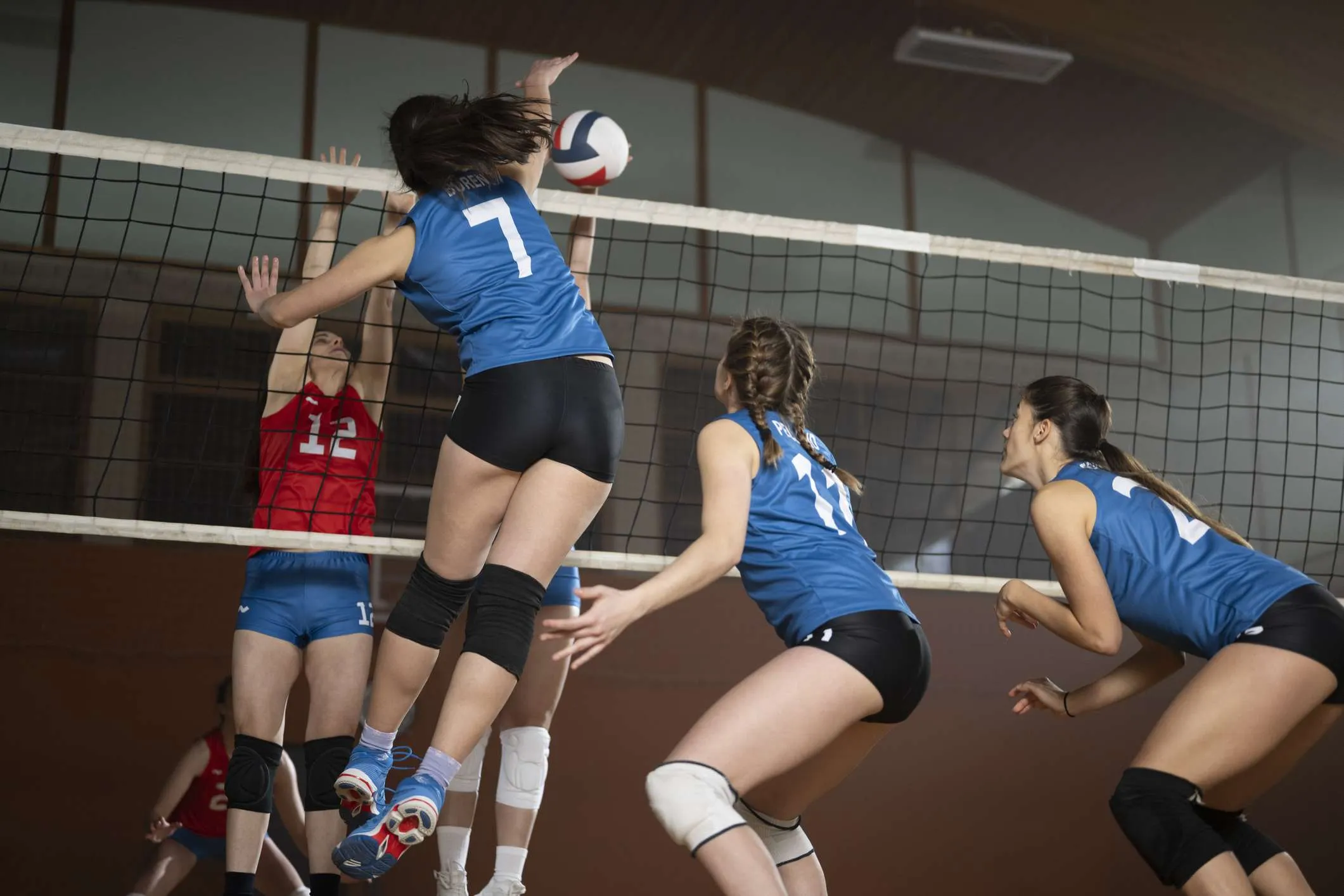
Hitting, also known as spiking, is one of the most exciting and impactful skills in volleyball. It is the primary way teams score points and apply pressure on opponents. A well-executed hit can be difficult to defend, especially when combined with good placement and timing.
For youth players, developing proper hitting technique is essential. While power is important, accuracy and consistency are just as critical. Players who learn correct mechanics early can generate more power naturally over time while maintaining control.
Strong hitters not only score points but also force opposing teams into difficult defensive situations.
The Importance of Proper Approach Footwork
The approach is the sequence of steps a player takes before jumping to hit the ball. Proper footwork helps generate momentum and sets up a powerful jump.
Most hitters use a three- or four-step approach:
- Starting with controlled steps
- Accelerating into the final steps
- Planting both feet before jumping
The final two steps are the most important. They should be quick and explosive, allowing the athlete to transfer forward momentum into upward lift.
Consistent approach footwork leads to better timing and more effective attacks.
Timing the Jump
Timing is one of the most challenging aspects of hitting. Players must coordinate their approach with the setter’s delivery to meet the ball at the highest point of their jump.
Jumping too early or too late can reduce power and accuracy. Youth athletes should focus on watching the ball and adjusting their timing based on the set.
Practicing with setters regularly helps hitters develop a better sense of rhythm and timing.
Arm Swing Mechanics
A proper arm swing is essential for generating power and control. The hitting motion should be smooth, fast, and coordinated with the rest of the body.
Key components of an effective arm swing include:
- Pulling the hitting arm back during the approach
- Rotating the shoulders and torso
- Swinging the arm forward with speed
- Contacting the ball at full extension
A strong follow-through helps direct the ball and maintain control.
Developing good arm mechanics allows players to hit with both power and precision.
Contact Point and Ball Placement
The point of contact plays a major role in hitting effectiveness. Players should aim to contact the ball at the highest point of their jump with their arm fully extended.
Ball placement is just as important as power. Skilled hitters aim for open areas of the court rather than hitting directly at defenders.
Common placement strategies include:
- Hitting cross-court
- Aiming down the line
- Targeting gaps in the defense
Learning to place the ball effectively makes hitters more difficult to defend.
Drills to Improve Hitting Skills
Consistent practice is key to developing strong hitting ability. Several drills can help youth players improve technique and confidence.
Approach and Jump Drill
Players practice their approach and jump without hitting the ball. This helps reinforce proper footwork and timing.
Toss and Hit Drill
Coaches or teammates toss the ball for players to hit, allowing them to focus on arm swing and contact.
Target Hitting Drill
Players aim for specific areas on the court to improve accuracy and placement.
These drills build the foundation for effective attacking.
Reading the Block and Defense
Advanced hitters learn to read the opposing team’s block and defense. By observing the positioning of blockers, players can adjust their attacks to avoid being blocked.
For example:
- Hitting around the block
- Tipping the ball over blockers
- Aiming for uncovered areas
Developing this awareness helps players make smarter decisions during matches.
Mental Confidence in Hitting
Confidence plays a significant role in hitting success. Players who hesitate or doubt their ability often struggle to perform effectively.
Encouraging a positive mindset and focusing on consistent technique helps build confidence. Mistakes are part of the learning process, and players improve by continuing to take aggressive swings.
If you are looking for more information on how to be confident on the court, read this blog!
Fun Fact: Timing Beats Power
In volleyball, a well-timed hit often beats a powerful one. Players who contact the ball at the right moment and aim strategically are more effective than those who rely solely on strength.
This is why coaches emphasize technique and timing over raw power, especially at the youth level.
Conclusion: Becoming a More Effective Attacker
Hitting is a combination of technique, timing, and decision-making. Youth athletes who focus on approach footwork, arm mechanics, and ball placement can significantly improve their attacking ability.
With consistent practice and proper coaching, players develop the confidence and skill needed to become reliable scorers on the court.
Athletes Untapped: Private Volleyball Coaching
Athletes Untapped connects youth volleyball players with experienced private coaches who specialize in hitting technique, offensive strategy, and overall skill development. Personalized sessions focus on improving approach mechanics, timing, and shot placement.
Through one-on-one coaching, athletes receive individualized instruction that helps them build confidence and consistency in their attacks. Targeted drills and feedback accelerate development and improve game performance.
With stronger hitting skills and greater confidence, youth volleyball players can become more effective offensive contributors and elevate their team’s success.
Find an experienced coach near you: https://athletesuntapped.com
Learn from our very best Coach Kelly and Coach Cat!