
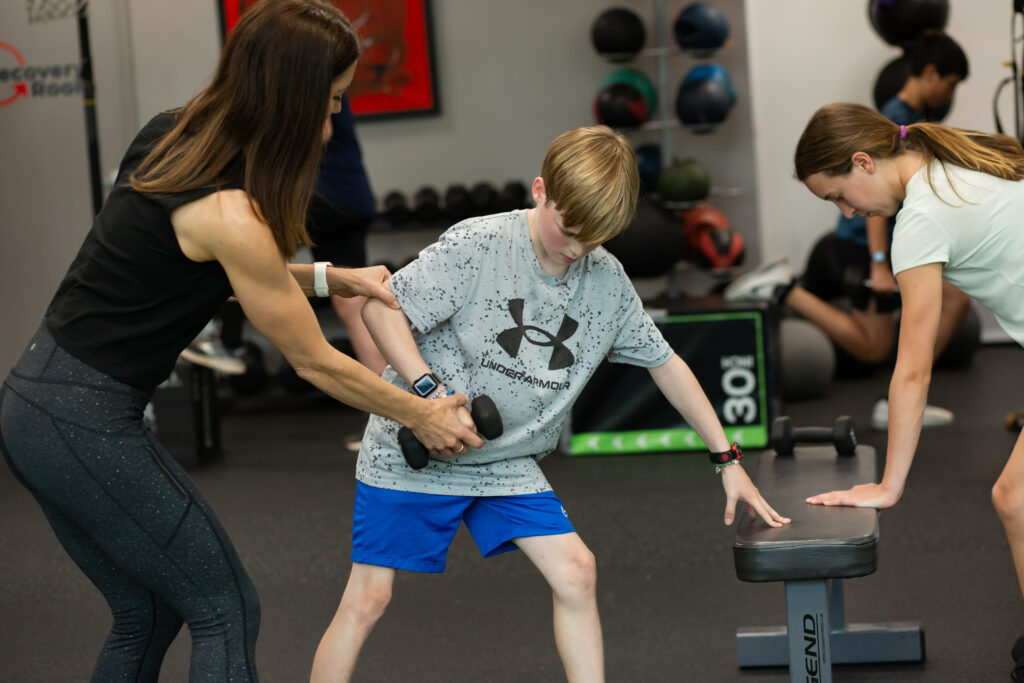
Why Strength Progression Matters in Youth Sports
Strength progression is essential for youth athletes seeking to enhance overall performance, prevent injuries, and build athletic confidence. Properly structured strength programs allow athletes to increase muscle mass, improve power, and maintain joint stability. In volleyball, stronger legs improve vertical jump; in track, explosive lower-body strength enhances sprint performance; in field events, it improves throwing power.
Without structured progression, athletes risk overtraining, plateauing, or developing poor mechanics. Strength progression ensures consistent improvements while minimizing injury risks.
Core Principles of Strength Progression
- Gradual Overload: Increasing resistance, repetitions, or intensity gradually allows muscles, tendons, and ligaments to adapt safely.
- Technique First: Proper form is essential before adding weight or complexity. Poor technique increases injury risk and limits effectiveness.
- Balanced Training: Incorporate exercises for all major muscle groups, including legs, core, upper body, and stabilizers.
- Recovery and Nutrition: Muscles grow and adapt during recovery. Adequate rest, hydration, and protein intake support progression.
Following these principles ensures safe, effective, and measurable strength gains.
Safe Strength Exercises for Youth Athletes
- Bodyweight Training: Push-ups, squats, lunges, planks, and pull-ups teach proper mechanics and build foundational strength.
- Resistance Bands: Bands allow progressive resistance without heavy weights, reducing stress on developing joints.
- Medicine Ball Movements: Throws, slams, and rotational exercises develop power and coordination.
- Weighted Exercises (Light to Moderate): Dumbbell squats, step-ups, and overhead presses help strengthen muscles while maintaining control.
Youth athletes should progress from bodyweight to resistance bands, then to light weights under supervision, ensuring proper adaptation.
Structuring a Strength Progression Plan
A well-structured plan should include:
- Phase 1: Foundational Strength – Focus on bodyweight exercises and basic movements to build form and endurance.
- Phase 2: Progressive Resistance – Introduce bands or light weights, emphasizing controlled motion and slow progression.
- Phase 3: Power and Explosiveness – Combine strength with dynamic movements like jump squats, medicine ball throws, and sprint starts.
- Phase 4: Maintenance and Sport Integration – Continue strength work while integrating drills specific to the athlete’s sport, such as volleyball jumps or track acceleration.
Each phase builds upon the last, ensuring gradual, safe improvements in strength and power.
Mental Benefits of Strength Progression
Structured strength training builds more than muscles; it develops discipline, focus, and confidence. Achieving measurable gains reinforces a growth mindset, motivating athletes to continue training. Additionally, mastering proper technique under progressive loads teaches resilience, patience, and attention to detail—skills that transfer directly to sports performance.
Fun Fact: Strength Training Improves Speed
Many youth athletes focus solely on cardio or sport-specific drills, but strength is a critical driver of speed and power. Stronger muscles produce more force, allowing athletes to sprint faster, jump higher, and react quicker. Strength progression enhances both athletic potential and injury resilience.
Common Mistakes in Strength Progression
- Skipping Warm-Ups: Increases risk of strains and decreases effectiveness.
- Progressing Too Quickly: Sudden increases in weight or intensity can cause injury.
- Neglecting Recovery: Muscles adapt during rest; skipping recovery slows progress.
- Ignoring Core and Stabilizers: Weak supporting muscles limit overall strength gains.
Addressing these mistakes ensures safe, effective, and sustainable strength development.
Conclusion: Strength Progression as a Foundation for Athletic Success
Strength progression is a critical component of youth athletic development. By following safe, structured plans and focusing on technique, recovery, and balanced training, athletes build muscle, power, and confidence. Progressive strength work improves not only performance in sport-specific movements but also resilience, focus, and mental toughness.
If you are looking for more information about Strength training, read this blog!
Athletes Untapped: Private Strength and Speed Coaching
Athletes Untapped connects youth athletes with private coaches specializing in strength progression, power development, and athletic performance. Personalized sessions focus on safe technique, gradual overload, sport-specific integration, and recovery strategies. One-on-one instruction allows athletes to address weaknesses and refine strengths in a structured, results-driven environment.
Through structured strength progression programs, athletes improve muscle development, power, and overall athletic performance. Youth athletes who train with guidance become leaders who elevate their entire team’s performance.
Find an experienced coach near you: https://athletesuntapped.com
Learn from our very best Coach Cat and Coach Robert!


