
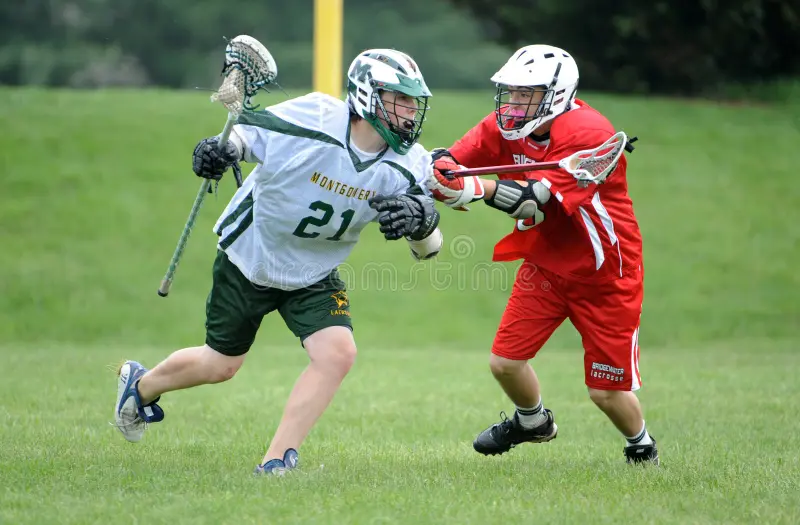
Why Strong Defensive Skills Are Essential in Lacrosse
Defense is the foundation of any successful lacrosse team. While goals and flashy offensive plays often grab attention, a team’s ability to prevent scoring is just as critical. Players who master defensive positioning, stick work, and body control significantly limit opponents’ scoring opportunities. Strong defense not only frustrates opposing attackers but also builds team confidence, keeps matches competitive, and sets the tone for overall game performance. Youth players who focus on these skills develop a solid foundation that benefits them as they progress in the sport.
Defensive Footwork and Body Positioning
Effective defenders must maintain balance and agility while moving laterally across the field. Footwork is more than just speed; it’s about controlling movement and creating angles that force attackers away from high-danger areas near the goal. Drills like shuffling side-to-side, backpedaling, and closing down attackers help young players react quickly and maintain proper spacing. Coaches often emphasize the “defensive triangle,” which encourages players to position their bodies in a way that limits options for the ball carrier while staying ready to intercept passes or initiate checks. Proper footwork also reduces the risk of overcommitting, which is a common mistake among youth defenders. Read this blog to learn more about position specefic training in lacrosse and how to excel at defense!
Stick Checking Techniques for Youth Players
Stick checking is a fundamental defensive skill that allows players to regain possession without committing fouls. Players must learn to time their checks carefully, targeting the stick rather than the body. Common techniques include poke checks, lift checks, and slap checks, each serving a different purpose depending on the attacker’s movement. Practicing these skills consistently helps youth players develop accuracy and confidence in their stick handling. Coaches often use one-on-one drills or controlled scrimmages to help defenders recognize the right moment to check and maintain balance while executing a legal play.
Using Body Positioning to Contain Attackers
Body positioning is as important as stick skills in defense. A good defender uses their body to limit the attacker’s movement and passing options, staying low and engaged to control space effectively. By keeping a strong, balanced stance, defenders make attackers predictable, forcing them into less dangerous areas of the field. Awareness of both the ball and nearby teammates allows defenders to anticipate plays and respond without committing unnecessary fouls. Youth players are encouraged to practice “mirror drills,” which teach them to follow an attacker’s movements while maintaining proper defensive posture.
Defensive Communication
Effective defense is rarely an individual effort; it requires constant communication with teammates. Defenders use verbal cues to call switches, alert others to screens, and signal help opportunities. Non-verbal communication, such as hand signals or eye contact, also plays a critical role during fast-paced plays. Teams with strong communication experience fewer defensive breakdowns and are better able to maintain structured coverage throughout the game. Youth players benefit from drills that incorporate shouting out assignments or practicing signals during scrimmages, building habits that translate into organized game defense.
Sliding and Help Defense
Team defense relies heavily on coordinated sliding. Sliding occurs when a defender leaves their assigned attacker to help a teammate in trouble. Players must understand both the timing and positioning required for effective help. Drills that simulate game scenarios, such as 2-on-2 or 3-on-3 situations, improve defensive players’ understanding of when to slide and how to recover quickly. Teaching youth players to read the field and anticipate when help is needed ensures smoother transitions between individual and team defense.
Ground Ball Skills for Defensive Players
Winning ground balls is essential for regaining possession and creating offensive opportunities. Defensive players must position themselves low and balanced, with eyes on both the ball and surrounding opponents. Quick reactions and proper technique ensure clean pickups even under pressure. Drills that simulate contested ground balls help youth defenders learn to react instinctively while maintaining control. Mastering this skill not only strengthens a defender’s confidence but also contributes to a team’s overall possession game.
Transitioning From Defense to Offense
Strong defenders don’t just stop attacks—they start plays. Quick outlet passes after gaining possession can initiate fast breaks and scoring opportunities. Defenders must recognize offensive opportunities while under pressure and execute passes accurately to teammates in transition. Training youth players to make smart decisions during turnovers improves overall team efficiency and helps them contribute offensively without sacrificing defensive responsibilities.
Conditioning for Defensive Players
Defenders cover significant ground and engage in repeated high-intensity actions. Conditioning is critical to maintain speed, endurance, and reaction time throughout a game. Drills such as sprint intervals, lateral shuffles, and agility courses build stamina and prevent late-game fatigue. Youth players with strong conditioning remain effective defenders even in the final minutes of a match, giving their team a competitive advantage. Coaches often combine conditioning with skill-based drills to ensure players develop both physical fitness and defensive technique simultaneously.
Common Defensive Mistakes in Youth Lacrosse
Youth defenders often struggle with overcommitting to plays, losing proper positioning, or placing their sticks incorrectly. These mistakes can lead to easy scoring opportunities for opponents. Coaches play a crucial role in correcting these habits early by providing structured guidance and feedback. By focusing on balance, patience, and timing, young players develop consistent defensive techniques that last as they progress to higher levels of play.
Athletes Untapped: Private Lacrosse Defensive Coaching
Athletes Untapped connects youth lacrosse players with coaches specializing in defensive skills. Personalized training allows players to focus on positioning, stick checks, and transitions in ways that group practices may not offer. Athletes develop confidence, technical mastery, and strategic understanding, ensuring they contribute effectively to their team’s defensive efforts. By working with specialized coaches, youth players can elevate their game, turning solid defensive skills into a competitive advantage on the field.
Find an experienced coach near you: https://athletesuntapped.com
Learn from our very best Coach Geoff and Coach Vanessa!


