
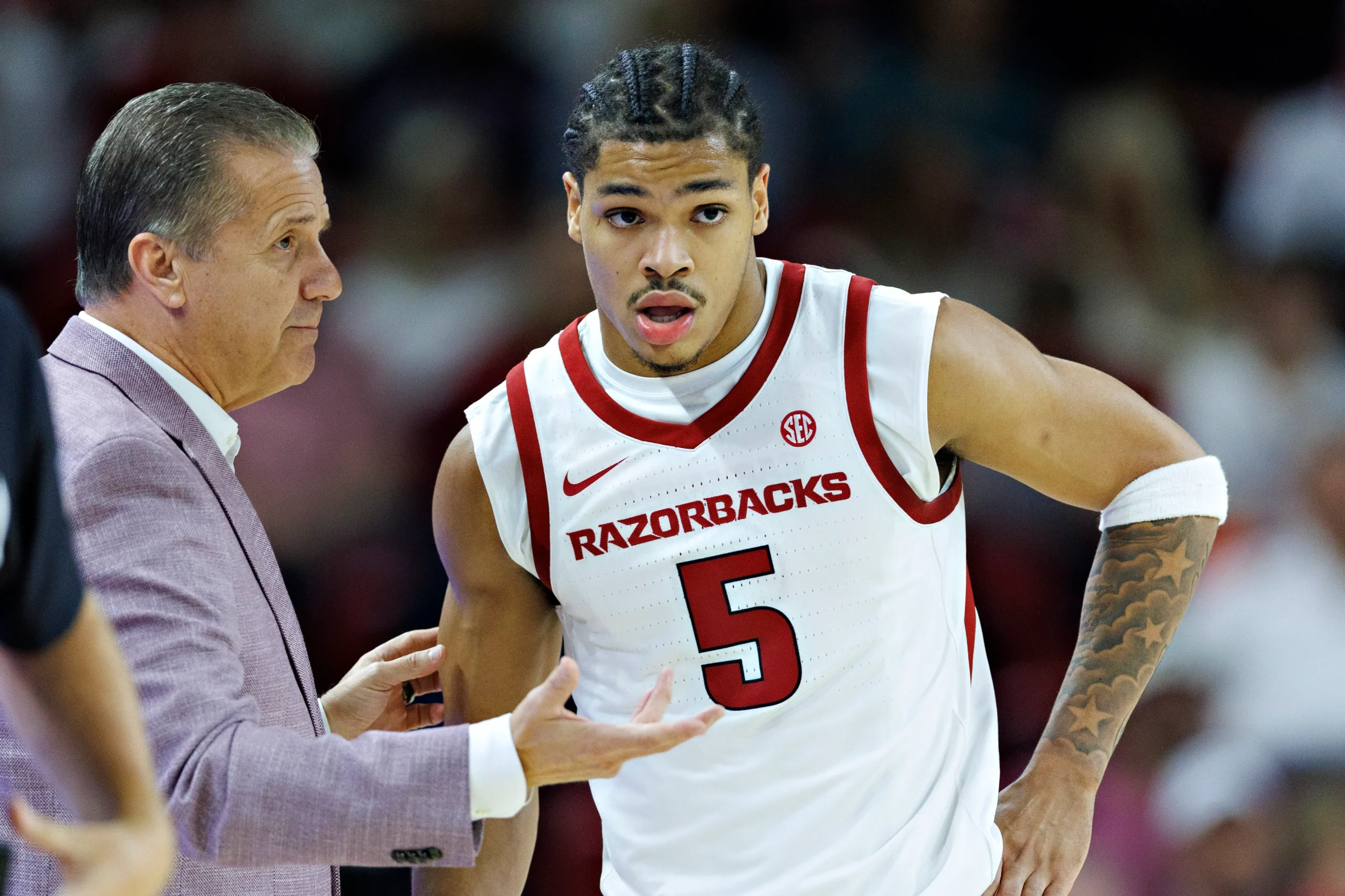
A freshman at Arkansas just crossed a line that used to be reserved for pros. Darius Acuff Jr. landed a signature shoe deal with Reebok while still in college, a first for an NCAA men’s basketball player with a major U.S. brand.
For youth athletes and parents, the story is not about sneakers. It is about how early exposure, NIL, and brand attention can change the development path, for better and for worse.
What Happened
Reuters reported that Acuff’s Reebok deal is historic and that he has been one of the breakout stars of the season. ESPN also reported the deal and cited Reebok’s head of basketball confirming the significance of the partnership.
Sports Business Journal noted Reebok initially signed Acuff to an NIL shoe deal in May 2025, and the partnership grew into signature shoe plans as his profile and performance surged.
The Youth Sports Lesson: Branding Is Arriving Earlier Than Families Expect
This is a clear signal that the athlete economy is moving down the age ladder. Brands are not only looking for finished products. They are looking for stories, identities, and momentum.
That can be exciting for young athletes, but it also creates a common trap. When brand attention shows up early, it is easy to treat visibility like the goal. Development still has to be the foundation.
What This Changes for Parents
The timeline feels faster.
Stories like this make families feel behind if their athlete is not “known.” Most great athletes are still built through boring progress, not viral moments.
The pressure becomes more public.
When athletes are tied to a brand, every game feels higher stakes. That can fuel confidence, but it can also magnify anxiety and perfectionism.
The development environment matters more.
Early attention does not replace coaching, habits, and support. It amplifies whatever is already there. If the athlete’s routine is inconsistent, the spotlight makes that harder, not easier.
What “Real Potential” Looks Like When Money and Attention Show Up
Potential is often confused with hype. At the youth level, the strongest signals are usually repeatable:
- The athlete improves month to month, not week to week.
- The athlete responds to feedback without spiraling.
- The athlete makes better decisions under pressure over time.
- The athlete stays durable through smart training and recovery.
- The athlete keeps the love of the game intact through the grind.
If a family wants a simple check, watch the baseline. Does the athlete compete the same way on a normal day as they do on their best day. That is where trust is built.
A Better Way to Use Stories Like This
The healthiest takeaway is not “How do we get a deal?” It is “What creates the kind of player people want to bet on?”
Acuff’s story also reinforces a basic truth: brands usually move when performance, narrative, and consistency align. Reuters highlighted his production and impact this season, and Sports Business Journal described how the relationship grew over time.
For youth athletes, the controllable path is still the same: build skills that hold up in games, build habits that keep progress steady, and build confidence that survives mistakes.
Final Thoughts
A signature shoe in college is a headline, but the deeper lesson is about the new reality of youth sports. Visibility can arrive earlier. Pressure can arrive earlier. Families that stay focused on development tend to handle those changes better than families that chase the noise.
About Athletes Untapped
Athletes Untapped connects families with experienced private coaches across 16 sports for in-person training. Personalized coaching helps athletes build consistent habits, sharpen skill work, and translate practice into game performance


