
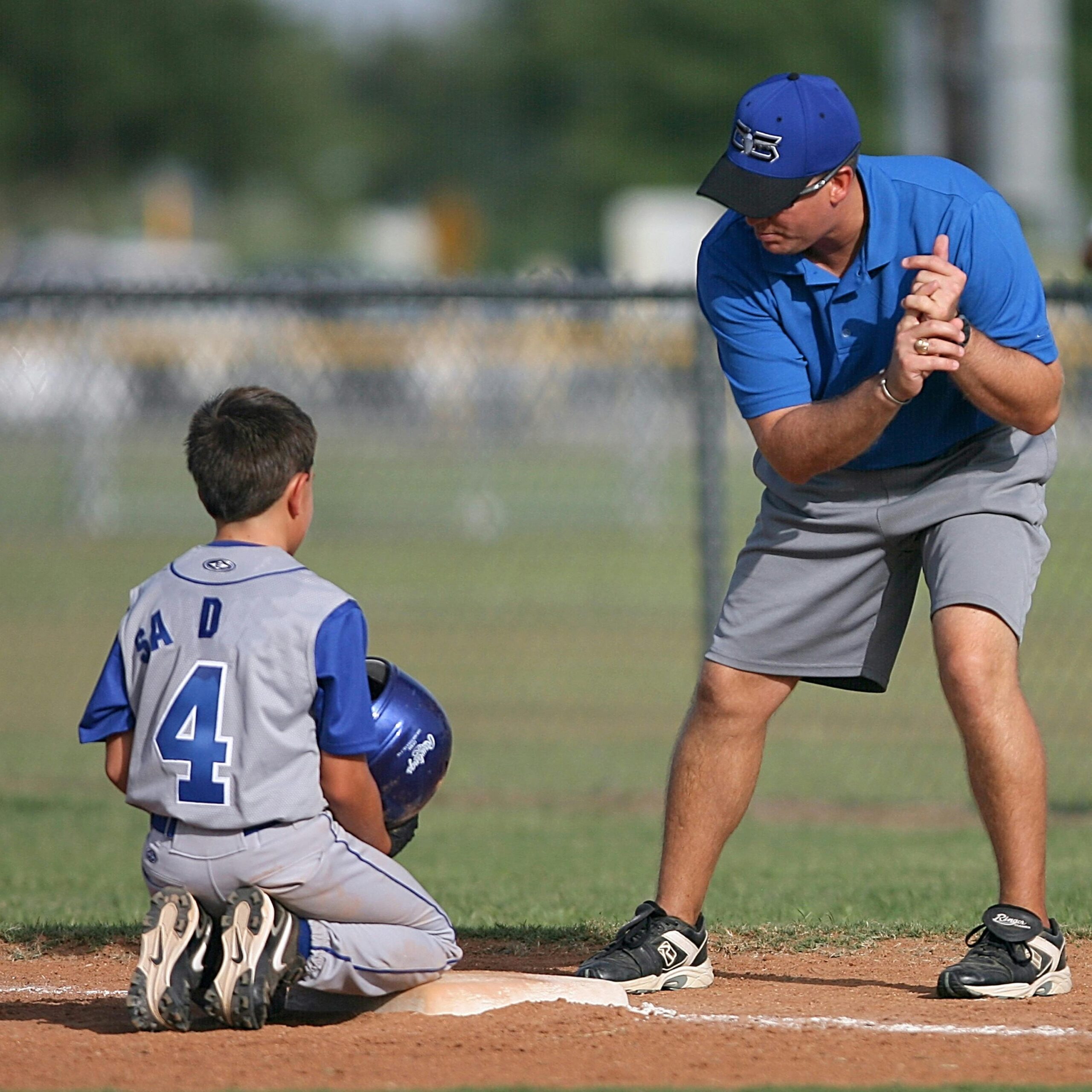
If you are a parent or player typing “pitching coaches near me: how to improve your pitch” into your search bar, you probably know how frustrating the mound can be. As a baseball coach with over 15 years of experience developing youth, high school, and college pitchers, I see the same scenario every spring. A young pitcher steps onto the mound with plenty of raw arm strength, but they walk four batters in a row, throw a wild pitch to the backstop, and walk off the field rubbing their shoulder.
Pitching is a highly unnatural, complex athletic movement. In a typical team practice, a high school or Little League coach simply does not have the time to break down the biomechanics of a pitching delivery for every single kid on the roster. Bullpens are rushed, and the advice is usually limited to “throw strikes!” or “aim lower!”
Proper private training fixes this. Elite pitching instruction is not about just throwing the ball as hard as you can. It is about building a repeatable kinetic chain from the ground up, protecting the arm, and developing the pinpoint throwing accuracy required to dominate hitters. Let’s dive into exactly what elite baseball coaching looks like and how it can transform your game on the mound.
Why Finding the Right Pitching Coach Matters for Athlete Development
Choosing the right private pitching coach is the most important investment you can make in a young baseball player’s career. I have seen incredibly talented athletes ruin their elbows by age 14 because a well-meaning but uneducated local coach taught them terrible throwing mechanics.
When you invest in a high-quality pitching coach, the performance impact is undeniable:
- Confidence: The mound is the loneliest place in sports. A great coach builds a foundation of technical certainty. When an athlete fully trusts their balance point and release point, they throw with conviction instead of aiming the ball out of fear of throwing a ball.
- Game Performance: Elite coaches bridge the gap between throwing in a flat-ground bullpen and pitching in a live game. We teach athletes how to hold runners, vary their timing, and tunnel their pitches so a changeup looks exactly like a fastball out of the hand.
- Long-Term Development (Arm Care): Good coaches protect their athletes’ bodies above all else. Teaching a player to generate velocity through their legs, hips, and core—rather than violently whipping their arm—prevents devastating UCL (Tommy John) and rotator cuff injuries.
Connect with a Private Baseball Coach: https://athletesuntapped.com/browse/baseball/
Best Drills and Techniques to Expect from a Top-Tier Pitching Coach
When you evaluate a potential pitching coach, watch their first bullpen session. If they just put your kid on the mound, tell them to throw 50 fastballs, and yell “good job,” you are wasting your money. Elite pitching coaches use targeted isolation drills to build mechanics piece by piece. Here are 5 essential drills a high-quality coach will use:
1. The Balance Point Hold
- How to perform it: The athlete starts their windup or stretch. They lift their lead leg to their maximum balance point and hold it completely still for three full seconds before the coach claps and allows them to stride and throw.
- Why it works: Pitching requires incredible single-leg stability. If a pitcher falls forward before they reach the top of their leg lift, they lose all the power generated by their lower half and put massive stress on their arm.
- Coaching tips: Keep the head directly over the belly button. The posture should be tall and stacked over the back rubber.
- Common mistakes: Leaning backward toward second base or letting the front hip drift toward home plate before the leg lift is fully peaked.
2. The Towel Drill (Extension and Release Point)
- How to perform it: Instead of holding a baseball, the pitcher holds a small hand towel. The coach stands in front of home plate holding a catcher’s mitt at the pitcher’s maximum extension point. The pitcher goes through their full delivery and “slaps” the mitt with the towel.
- Why it works: It forces the pitcher to finish their pitch and get maximum extension. Pitchers who “short-arm” the ball lose velocity and have flat pitches that get hit hard.
- Coaching tips: Pull the chest down over the front knee. The glove arm should tuck tightly into the ribcage to create rotational torque.
- Common mistakes: Stopping the arm deceleration abruptly or standing straight up on the front leg upon release.
3. The Rocker Drill (Weight Transfer)
- How to perform it: The pitcher starts in a wide, strided-out position. They rock their weight entirely onto their front foot, rock backward onto their back foot to load the hips, and then explode forward to throw the pitch.
- Why it works: It isolates the weight transfer and hip rotation without the complexity of the full leg lift. It teaches the pitcher how to load the back glute and drive aggressively toward the target.
- Coaching tips: Keep the front shoulder closed (pointing at the target) as long as possible while the hips begin to rotate open. This hip-to-shoulder separation creates massive velocity.
- Common mistakes: Opening the front shoulder and the hips at the exact same time, which kills rotational power and causes the pitcher to push the ball.
4. The Wall Drill (Staying Closed)
- How to perform it: The pitcher stands with their back almost touching a chain-link fence or a wall. They lift their leg and stride down the mound. If their front side or throwing arm swings too far backward, they will scrape the wall.
- Why it works: Many young pitchers swing their arm way behind their back in an effort to throw harder. This creates a long, inefficient arm action. The wall forces a clean, compact arm circle.
- Coaching tips: Lead the stride with the front hip, not the front foot. Keep the throwing hand inside the 90-degree plane of your body.
- Common mistakes: Swinging the throwing hand out toward second base rather than breaking the hands cleanly downward.
5. The Kneeling Glove-Tuck Isolation
- How to perform it: The pitcher kneels on their throwing-side knee, with their glove-side foot planted in front. They throw to the catcher, focusing entirely on upper body mechanics, specifically pulling their glove tightly into their chest as they rotate.
- Why it works: A lazy glove arm ruins throwing accuracy. If the glove flies open, the throwing arm will drop, causing the pitch to sail high and arm-side.
- Coaching tips: Treat the glove like a steering wheel. Point it at the target, then violently pull it into your armpit as your chest rotates forward.
- Common mistakes: Letting the glove drop down to the waist or fly open toward the third base dugout (for a right-handed pitcher).
Common Mistakes Athletes Make on the Mound
Even highly athletic players fall into bad habits that prevent them from throwing strikes. Here are the most common mistakes I see:
- “Flying Open” Early: The most common flaw in youth baseball. Pitchers open their front shoulder toward the batter long before their foot hits the ground. This destroys velocity and causes the pitcher to leave the ball high and outside.
- Gripping the Ball Too Tightly: You cannot throw a baseball hard or accurately with a “death grip.” A tight grip chokes the life out of a fastball and prevents the wrist from snapping naturally, leading to flat pitches.
- Aiming Instead of Throwing: When pitchers walk a few batters, they panic. They slow down their arm speed and try to “aim” or “steer” the ball over the plate. This completely ruins their biomechanics. You must maintain aggressive arm speed, even on a 3-0 count.
- Ignoring the Lower Half: Throwing is an activity for the legs and core; the arm is just the whip at the end of the chain. If a pitcher complains of a sore shoulder after 30 pitches, they are almost certainly not using their legs to generate power.
How Private Coaching Accelerates Improvement
Team practices are essential for learning bunt coverages, pick-off moves, and fielding your position, but they are highly inefficient for fixing a broken pitching delivery. A head coach simply cannot monitor the angle of your wrist at release on every single pitch.
Private coaching accelerates improvement because it relies on an immediate, personalized feedback loop. If your elbow is dropping below your shoulder line, a private coach catches it instantly. We stop the bullpen, physically adjust your arm slot, run a towel drill, and get you back on the mound. This focused environment corrects minute flaws before they become permanent muscle memory. By hyper-focusing on your individual mechanics, private coaching gives you the technical foundation and arm health required to dominate opposing lineups.
Find an experienced coach near you: https://athletesuntapped.com
Frequently Questions About Pitching Coaches Near Me: How to Improve Your Pitch
How do I find the best pitching coach for my athlete?
Look for a coach who prioritizes arm care, lower-body mechanics, and injury prevention over simply chasing radar gun numbers. Ask to observe a lesson. A great coach will use video analysis to break down the delivery and will clearly explain the “why” behind every drill.
How much do private pitching lessons typically cost?
Depending on your geographic area and the coach’s specific background (former pro players vs. local high school coaches), private pitching lessons typically range from $60 to $120 per hour.
How often should a pitcher take private lessons?
During the off-season, once a week is highly recommended to overhaul mechanics safely. During the spring/summer season, sessions might shift to every other week and focus more on pitch sequencing, mental toughness, and light bullpen tune-ups rather than heavy mechanical changes.
At what age should a child start working with a private pitching coach?
While basic throwing mechanics can be taught at ages 7 to 9, bringing in a specialized pitching coach is incredibly valuable between ages 10 to 12. This is when kids begin pitching from the stretch, throwing from further distances, and are at the highest risk for developing dangerous throwing habits.
Can a pitching coach help increase my velocity safely?
Absolutely. A certified, elite pitching coach increases velocity by improving the pitcher’s kinetic chain efficiency—meaning they teach the athlete how to use the massive muscles in their legs, hips, and core to generate power, taking the stress off the fragile ligaments in the elbow and shoulder.
Conclusion
Searching for “pitching coaches near me: how to improve your pitch” is the crucial first step toward taking control of your game on the mound. Stop settling for rushed bullpens at the end of a team practice where your mechanical flaws go uncorrected. You need a dedicated instructor who understands biomechanics, prioritizes arm health, and communicates precise, actionable feedback. When you commit the time and find a coach who truly understands the science of pitching, your confidence will soar, your walks will drop, and your overall game performance will completely transform.
About Athletes Untapped
Athletes Untapped connects athletes of all sports with experienced private coaches who specialize in mental performance, sports psychology concepts, and competitive mindset training. Through personalized instruction and structured training plans, AU coaches help athletes eliminate performance anxiety, master their internal dialogue, and completely dictate their emotional response to adversity.
Find an experienced coach near you: https://athletesuntapped.com
Learn from our very best AU coaches!


