
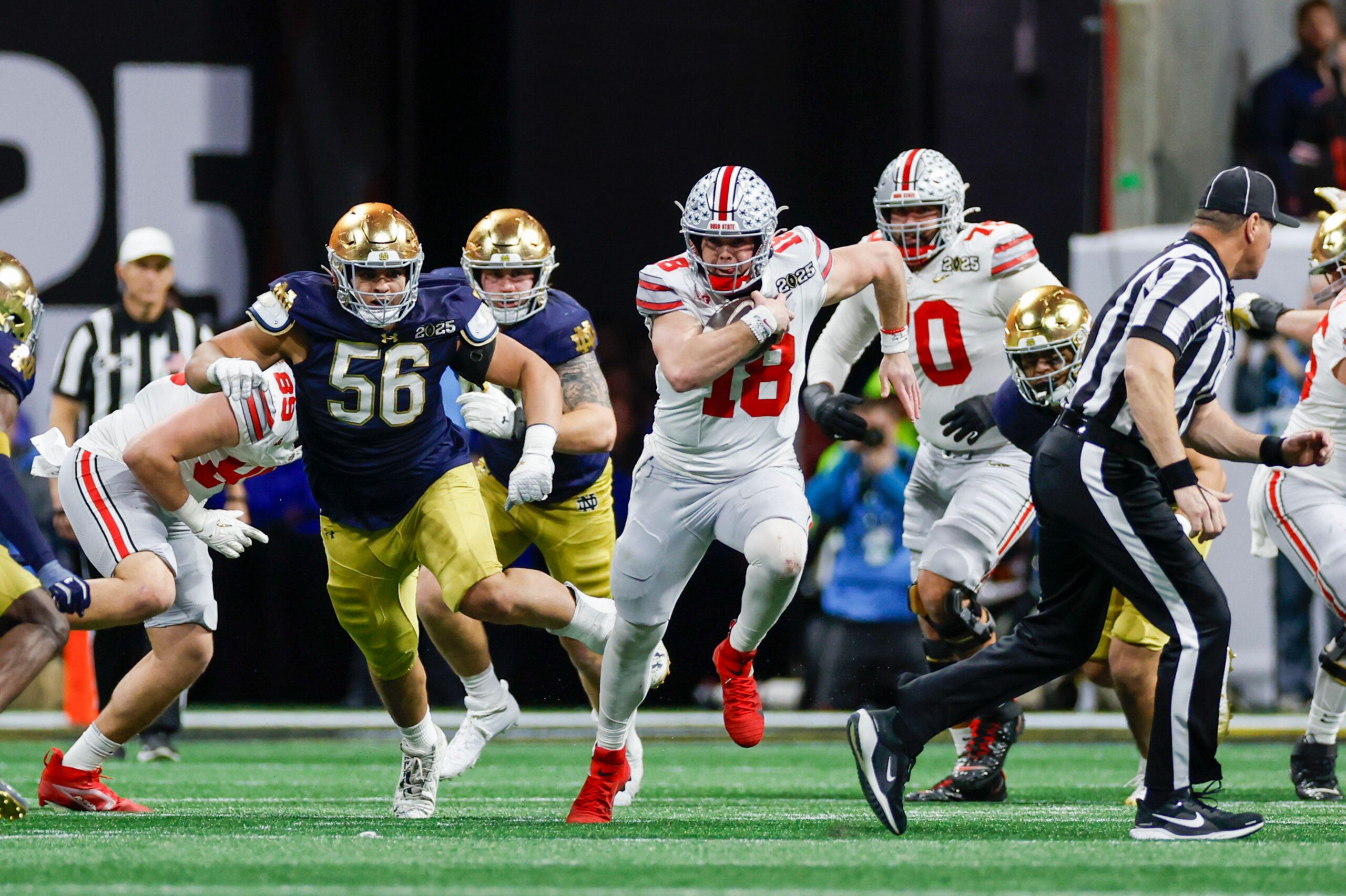
A recent ESPN recruiting breakdown of the 2026 class highlights more than just the nation’s top high school prospects. The report focuses on where elite recruits best fit at the college level, emphasizing scheme, development systems, and coaching philosophy over raw rankings alone.
For youth athletes, that shift says everything about where recruiting is headed.
According to ESPN’s analysis, top prospects in the 2026 class are increasingly being evaluated based on how their skill sets translate into specific college systems rather than just their athletic ceiling. Quarterbacks are being matched to offensive styles, defensive players to schemes, and overall development is being tied closely to program fit rather than prestige.
This represents a major change in recruiting philosophy. For years, the focus at the youth and high school levels was on exposure and rankings. Now, the conversation is shifting toward development environments. The question is no longer just how good a player is, but where they can improve the most.
For youth athletes, this has real implications. Training is becoming more specialized, not in terms of early position locking, but in understanding how skills translate to higher levels. Quarterbacks are learning different offensive systems. Defensive players are studying schemes and responsibilities. Athletes who can adapt and understand the game at a deeper level are gaining an edge in recruiting.
The ESPN report also reinforces the importance of patience in development. Many of the top prospects are not just physically gifted but are praised for their football IQ, coachability, and long-term upside. These are traits that are built over time through consistent coaching, game experience, and attention to detail.
At the grassroots level, this is changing how athletes and families approach recruiting. Instead of chasing the biggest name program, more players are starting to prioritize fit, opportunity, and coaching stability. Finding the right system can be the difference between early playing time and long-term development.
Organizations like Athletes Untapped are helping athletes prepare for this shift. By offering individualized coaching, they focus on building adaptable skill sets and game understanding that translate across systems. Their approach emphasizes fundamentals, decision making, and confidence, all of which are becoming critical in today’s recruiting landscape.
As recruiting continues to evolve in 2026, the takeaway is clear. Talent will always matter, but fit is becoming just as important. For the next generation of athletes, understanding that early could change the trajectory of their careers.


