
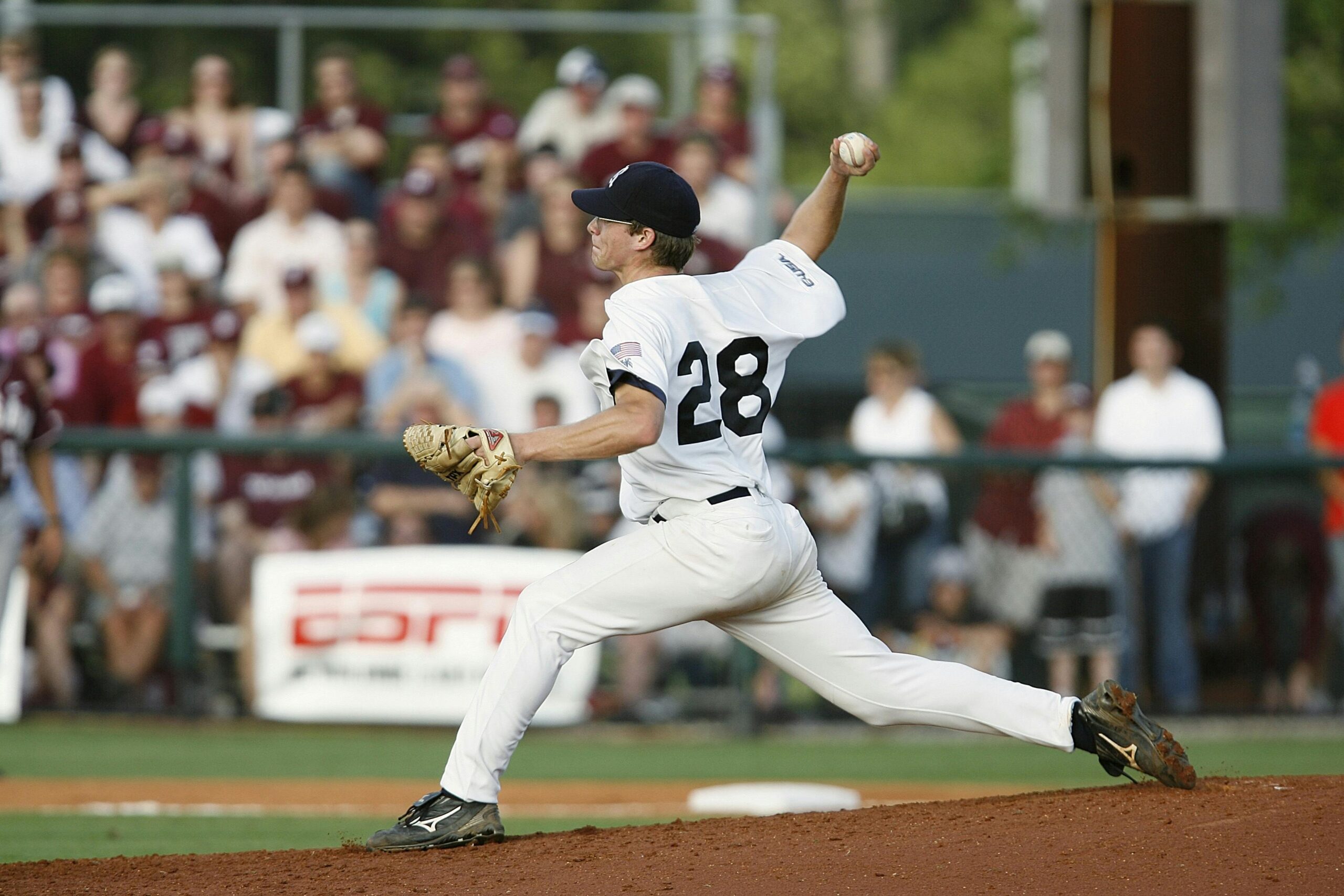
In modern baseball, throwing hard is the baseline, but throwing smart is how you get outs.
At Athletes Untapped, we see pitchers obsess over the radar gun, chasing maximum velocity on every throw. But velocity without movement is just a fast batting practice pitch. The best pitchers in the game do not just throw the ball; they design their pitches using spin rate and axis manipulation.
Pitch design is the intersection of physics and feel. It is the process of using data and high-speed cameras to tweak grips, finger pressure, and release points to make the baseball move exactly how you want it to. Here is how to dive into the world of spin rate and build an unhittable arsenal on the mound.
Connect with a Private Baseball Coach: https://athletesuntapped.com/browse/baseball/
Why Pitch Design and Spin Rate Matter
Velocity dictates how much time a batter has to react, but spin dictates where the ball will be when the bat crosses the plate.
Creating the Illusion of Rise: A four-seam fastball with a high spin rate generates the Magnus effect, which fights gravity. The ball does not actually rise, but it drops far less than the batter’s brain anticipates. This results in the batter swinging entirely under the ball.
Pitch Tunneling: Elite pitchers design their arsenals so that a fastball and a slider look identical for the first 40 feet of flight. By matching the release point and initial trajectory, the batter is forced to guess, leading to weak contact and strikeouts.
Maximizing Your Natural Arm Slot: Not everyone throws over the top. A pitcher with a lower, three-quarter arm slot naturally generates more horizontal movement (run and sweep). Pitch design helps that pitcher lean into their natural mechanics rather than fighting them to throw a pitch that does not fit their body.
Best Methods to Optimize Pitch Design
You do not need a multi-million dollar biomechanics lab to start designing pitches, though access to a launch monitor is incredibly helpful. Here are 4 methods AU coaches use to help pitchers shape their throws.
1. The Two-Tone Baseball Drill
How to perform it: Take an old baseball and color exactly half of it with a black marker. Play catch at 45 feet, throwing your fastballs and breaking balls.
Why it works: This provides immediate visual feedback on your spin axis. A perfect four-seam fastball will show a clean, solid line of rotation without wobbling. A slider will show a distinct dot on the side of the ball.
Coaching Tip: If the colors are blending and wobbling erratically, your spin is inefficient, meaning energy is being wasted and the ball will not break sharply.
2. Finger Pressure Manipulation
How to perform it: Keep your exact same fastball or breaking ball grip, but intentionally press harder into the seams with your middle finger than your index finger. Throw a few pitches, then reverse the pressure.
Why it works: Spin axis is dictated by the last finger to touch the baseball. By shifting pressure, you slightly tilt the axis of the ball upon release, which can turn a straight fastball into a cutting fastball.
Coaching Tip: Do not change your wrist angle. Keep the wrist locked and let the subtle finger pressure do the work.
3. The Seam Shifted Wake Setup
How to perform it: When gripping a sinker or changeup, place your fingers on the smooth leather rather than directly on top of the seams.
Why it works: Modern aerodynamics show that exposing the seams asymmetrically to the air during flight creates a “seam-shifted wake.” This causes the ball to dive or run late in its flight path, bypassing traditional spin rate metrics.
Coaching Tip: Experiment with turning the ball slightly in your hand until you find the exact orientation that causes the ball to drop unpredictably.
4. High-Speed Slow Motion Review
How to perform it: Set up a smartphone directly behind the pitcher, zoomed in closely on the release point. Record the pitch in slow motion (240 fps if possible) to see exactly how the ball leaves the hand.
Why it works: Pitchers often think they are releasing the ball a certain way, but the camera reveals the truth. It is the only way to see if you are accidentally supinating (turning the wrist outward) early on a fastball.
Coaching Tip: Look at the thumb. A lazy thumb that slides up the side of the ball kills spin rate. The thumb must stay tucked underneath to maximize rotation.
Common Mistakes Pitchers Make
Pitch design is a science, and it is easy to misinterpret the data. Our coaches constantly correct these common misunderstandings.
Chasing Total Spin Instead of Active Spin: Total spin is how many times the ball rotates per minute. Active spin (or spin efficiency) is the percentage of that spin that actually contributes to movement. A slider with 3000 RPMs is useless if it spins like a football (gyro spin) and does not break.
Forcing the Curveball: Many young pitchers try to force their wrist into an unnatural 12-to-6 curveball position. If your natural arm slot is lower, a sweeping slider (sweeper) will always be a better, safer pitch to design.
Ignoring Fastball Command: Developing a wicked sweeper or a devastating splitter is fun, but if you cannot locate your fastball, batters will simply spit on your off-speed pitches. Fastball command is the foundation of pitch design.
Over-Tweaking Between Starts: Changing your grip every single day ruins muscle memory. When you design a new pitch, commit to that grip for at least two weeks before making another major adjustment.
Find a Private Baseball Coach: https://athletesuntapped.com/browse/baseball/
How Private Coaching Accelerates Improvement
Reading a spreadsheet of spin rates and vertical break measurements can feel like reading a foreign language. Data is only useful if you know how to translate it into physical adjustments. This is where private coaching is essential.
A private baseball coach can:
- Translate the Metrics: We break down TrackMan or Rapsodo data into simple terms. We tell you exactly why your slider is hanging and what metric we need to change to fix it.
- Provide Instant Grip Adjustments: If your curveball lacks depth, we can shift your thumb placement a quarter-inch to instantly change the spin axis and create more downward bite.
- Map Your Arsenal: We look at your pitch data to identify overlapping pitches. If your sinker and changeup move the exact same amount at the exact same speed, we help you design a new pitch profile to create separation.
- Protect Your Arm: We ensure that the grips and release points you are practicing are biomechanically safe, preventing elbow and shoulder injuries as you learn to spin the ball harder.
Frequently Asked Questions About Baseball Pitch Design
What is a good spin rate for a fastball?
In the major leagues, the average four-seam fastball sits around 2200 to 2300 RPM. Anything above 2400 is considered elite and will generate that rising illusion. For high school athletes, 2000 to 2100 RPM is a very solid baseline.
Can I train to increase my spin rate?
Spin rate is largely determined by friction, grip strength, and how the ball rolls off the fingertips. Using weighted baseballs and forearm strengthening exercises can marginally increase spin rate, but finding a more efficient grip usually yields the best results.
What is a Gyro Ball?
A gyro ball is a pitch that spins perfectly like a bullet or a spiraling football. Because the spin does not interact with the air to push the ball left, right, up, or down, gravity simply takes over and the ball drops. Many modern sliders utilize a high percentage of gyro spin.
Does spin rate matter for a changeup?
Yes, but in the opposite way. You want the lowest spin rate possible on a changeup. A low spin rate removes the lifting force of the Magnus effect, causing the pitch to plummet as it approaches home plate.
Conclusion
Pitching is no longer just about throwing the ball past the batter. It is a game of angles, aerodynamics, and deception.
By utilizing technology, understanding your spin axis, and committing to the subtle details of finger pressure, you can transform your raw stuff into an unhittable, professionally designed arsenal.
About Athletes Untapped
Athletes Untapped connects baseball players with experienced private coaches who specialize in pitch design, spin rate optimization, and advanced pitching mechanics. Through personalized instruction and structured training plans, Athletes Untapped helps pitchers maximize their movement profiles and dominate on the mound.
Find an experienced coach near you: https://athletesuntapped.com
Learn from our very best Coach!


