
Why Running Back Development Is Critical
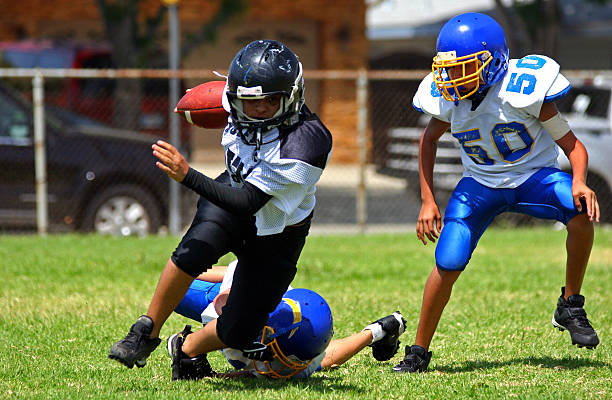
Running backs are often the engine of the offense. They must combine speed, agility, strength, vision, and decision-making on every play. Whether carrying the ball between the tackles or catching passes in open space, youth running backs play a crucial role in controlling tempo and generating scoring opportunities. Developing strong fundamentals early increases effectiveness, reduces turnovers, and builds long-term consistency.
Youth players who commit to structured running back training improve not only their physical performance but also their confidence. Mastering core skills such as ball security, acceleration, and field awareness creates reliable, versatile athletes who can impact the game in multiple ways.
Stance and Starting Acceleration
Every explosive run begins with proper stance. A balanced, athletic position allows running backs to react quickly at the snap. Feet should be shoulder-width apart, knees slightly bent, and weight evenly distributed to promote rapid movement.
The first few steps are critical. Practicing quick, powerful initial strides enables running backs to hit the hole with speed and authority. Controlled acceleration improves timing with blockers and maximizes yardage potential. Sprint-start drills and short burst exercises reinforce explosive movement patterns that translate directly to game performance.
Agility and Change of Direction
Running backs rarely move in straight lines. Evading defenders requires sharp cuts, lateral quickness, and controlled body positioning. Agility ladder drills, cone drills, and shuttle runs help youth athletes develop precise footwork and rapid directional changes.
Watch this video to learn more about how athleticism is trained and how you can develop it to improve your game!
Effective change of direction is about more than speed—it requires balance and coordination. Players must stay low and maintain control while shifting momentum. Training these movements consistently allows running backs to create separation and turn small openings into big gains.
Vision and Field Awareness
Vision is one of the most important skills for a running back. Anticipating defensive positioning and recognizing blocking lanes determines success on each carry. Youth players benefit from simulated read drills that mimic real defensive alignments.
Practicing patience behind blockers while scanning for cutback lanes improves decision-making. When players learn to read linebackers and defensive ends, they make smarter choices about when to bounce outside or cut upfield. Improved vision leads to more consistent yardage and fewer negative plays.
Ball Security and Carrying Technique
Ball security is non-negotiable for running backs. Proper grip and arm positioning protect the football from defenders attempting to strip it away. The ball should be secured tightly against the body, with the forearm and fingers covering the tip.
Drills that incorporate defensive pressure—such as contact pads or simulated strip attempts—help build secure habits. Practicing high-and-tight carrying technique ensures consistency. Strong ball security reduces turnovers and builds trust with coaches and teammates.
Acceleration Through Contact
Running backs must maintain speed even when facing contact. Strength and technique are both essential. Drills simulating light defensive contact teach players to keep their legs driving and their pads low.
Learning to absorb contact safely while maintaining forward momentum increases durability and yardage. Controlled contact training reinforces proper body positioning and balance, helping players finish runs strong and avoid unnecessary injuries.
Route Running and Receiving Skills
Modern offenses often require running backs to catch passes out of the backfield. Developing reliable hands and precise route-running skills enhances versatility. Youth players should practice swing routes, screens, and short option routes to expand their offensive role.
Timing with the quarterback is essential. Repetition builds chemistry and ensures smooth transitions from catch to run. Running backs who can both rush and receive become dual-threat athletes, making them more valuable in diverse game situations.
Conditioning for Endurance
Running backs must sustain explosive effort throughout the game. Conditioning plays a significant role in maintaining performance during repeated carries. Sprint intervals, resistance training, and agility-based conditioning drills improve stamina and recovery time.
Well-conditioned athletes retain speed and strength deep into the fourth quarter. Endurance training not only enhances physical performance but also sharpens mental focus during high-pressure moments.
Decision-Making Under Pressure
Elite running backs make split-second decisions. Choosing when to cut, accelerate, protect the ball, or lower the shoulder separates dynamic players from average ones. Youth athletes develop instincts through realistic, game-like drills.
Scrimmages and reactive drills force players to adapt quickly to defensive movement. Repetition strengthens reaction time and awareness, improving scoring potential and reducing hesitation.
Common Mistakes to Avoid
Common errors among youth running backs include leaning too early, standing upright during contact, or mishandling the football. These mistakes limit effectiveness and increase turnover risk.
Structured coaching corrects these habits by reinforcing proper fundamentals. Video feedback and repetition help players understand and refine technique. Addressing small flaws early prevents larger performance issues later.
Translating Drills to Game Situations
To maximize development, practice must replicate game conditions. Simulated plays, scrimmages, and reactive drills ensure that speed, agility, and vision translate effectively to competition.
Training under controlled pressure builds confidence and readiness. When youth athletes repeatedly apply skills in realistic settings, they become instinctive and composed during live games. Consistency in practice leads to reliability on game day.
Athletes Untapped: Private Football Running Back Coaching
Athletes Untapped offers private coaching tailored to youth running backs seeking to improve speed, agility, ball security, and field vision. Personalized instruction focuses on refining technique while building confidence and decision-making skills.
Through targeted drills and structured development plans, players gain the tools needed to excel on every play. With focused guidance, youth running backs become more explosive, reliable, and impactful contributors to their teams.
Find an experienced coach near you: https://athletesuntapped.com
Learn from our very best Coach Ronald and Coach Robert!