
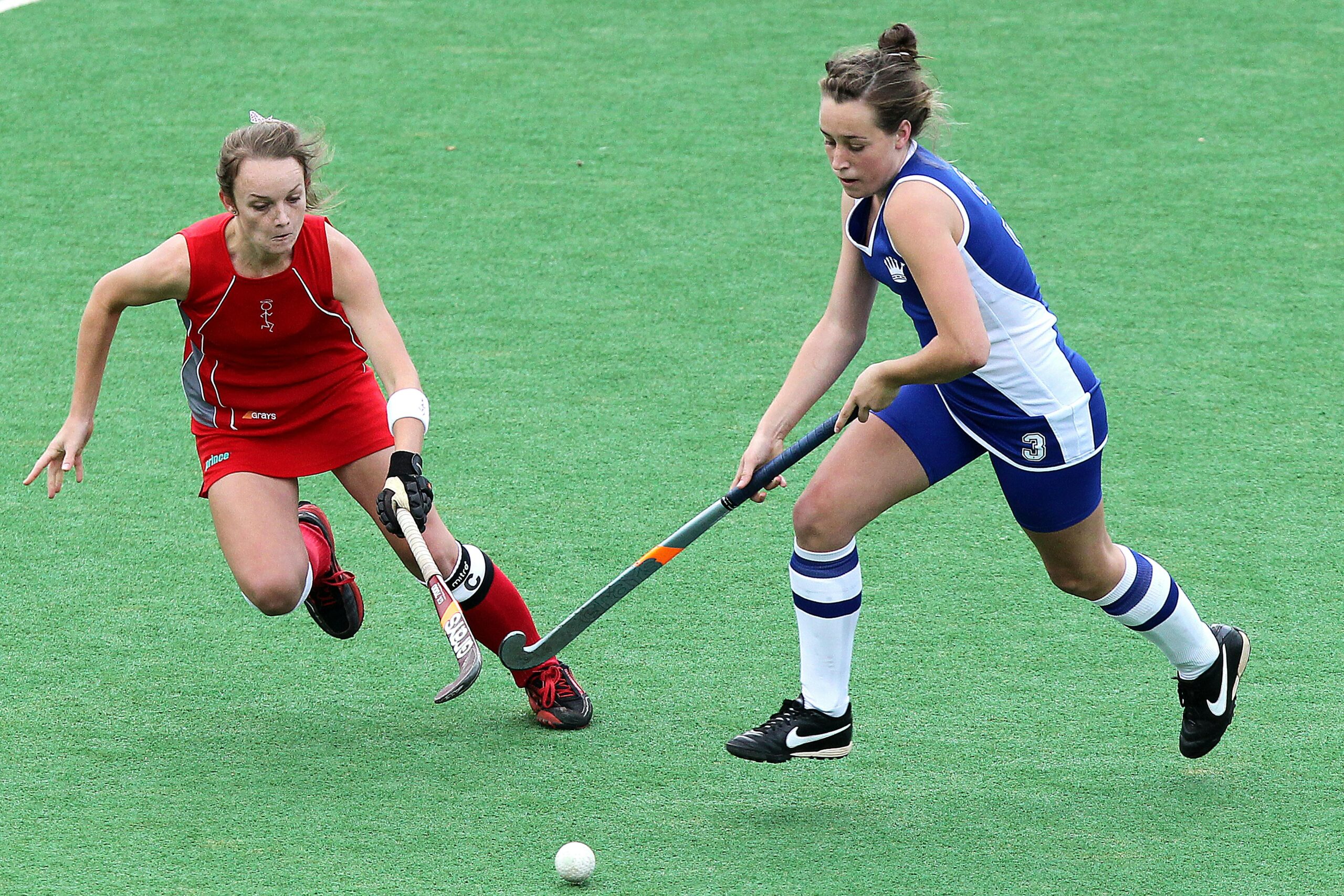
Field hockey is played at a blistering pace. The ball moves faster than in soccer, the playing surface (especially water-based turf) is unforgiving, and the stick skills required are incredibly technical. In this environment, time is a luxury you rarely have.
At Athletes Untapped, we know that technical skills are only half the battle. You can have the best drag flick or the fastest dribble in the league, but if you freeze when a defender rushes you, those skills are useless. The difference between a good player and a great one is the ability to process information and execute the right choice in milliseconds.
Panic is the enemy of performance. When athletes panic, their vision narrows, their muscles tense, and they make “hope passes” that usually result in turnovers. Mastering decision-making under pressure allows a player to slow the game down in their mind, seeing lanes and options that others miss. Here is how to train your brain to stay cool when the heat is on.
Connect with a Private Field Hockey Coach: https://athletesuntapped.com/browse/field-hockey/
Why Decision-Making Matters More Than Speed
In field hockey, the ball can travel faster than any player can run. Therefore, the team that moves the ball smarter will always beat the team that just runs harder.
Possession Retention: A panic clear often goes straight to the opposition. A composed decision allows you to keep possession, recycle the ball, and frustrate the defense.
Safety and Fouls: Poor decisions often lead to dangerous play. Hitting the ball blindly into a crowd is not only a turnover risk; it is a safety hazard that leads to free hits against you.
Counter-Attack Efficiency: The best time to score is the moment you win the ball back. A player with elite decision-making can instantly spot the forward making a run and launch a counter-attack before the defense is set.
Best Drills to Train the Hockey Brain
You cannot learn to handle pressure in a calm environment. Training must simulate the chaos of a match. Here are 4 drills AU coaches use to build cognitive resilience.
1. The 3v2 Overload (The Classic)
How to perform it: Set up a 20×20 yard grid. Three attackers try to score in a mini-goal against two defenders. The catch: the attackers have a 10-second shot clock.
Why it works: The numerical advantage suggests it should be easy, but the time limit creates artificial pressure. It forces the ball carrier to decide instantly: drive, draw the defender, or pass?
Coaching Tip: Encourage the “early pass.” Holding the ball too long allows the two defenders to isolate the play.
2. The “Colors” Scanning Drill
How to perform it: The player dribbles through a series of cones. A coach or partner holds up colored cones or cards at random intervals. The player must shout the color while maintaining control of the ball.
Why it works: This forces the player to get their head up. In field hockey, looking at the ball is the death of decision-making. You must scan the field while your hands do the work.
Coaching Tip: Challenge the player to shout the color before they make their next touch on the ball.
3. Back-to-Goal Receiving
How to perform it: The player stands with their back to the passer. The passer slaps the ball and yells “Turn!” The player must pivot, receive the ball, and immediately react to a defender (coach) who is rushing them from a random angle.
Why it works: It simulates receiving a pass in the midfield. You don’t know where the pressure is coming from until you turn. It trains the “first touch into space” rather than into feet.
Coaching Tip: The first touch is everything. It must be away from the pressure to buy time.
4. The Whistle Change
How to perform it: Play a small-sided game (4v4). When the coach blows the whistle once, the team in possession must attack the opposite goal. If the coach blows twice, they must keep possession for 5 passes before attacking.
Why it works: It forces a sudden shift in tactical thinking. Players have to communicate and adjust their shape instantly, overriding their previous plan.
Coaching Tip: Listen for the communication. The loudest team usually adapts the fastest.
Common Mistakes Players Make
Pressure reveals cracks in a player’s game. Our coaches often see these mental errors during high-stakes moments.
- Tunnel Vision: When pressure comes, players tend to stare at the ball or the defender tackling them. They lose sight of their teammates. You must look “through” the defender to find the open space.
- Forcing the Play: Trying to hit a miracle pass through three defenders because you feel rushed. Sometimes the best decision is to pass the ball backward to a defender to reset the attack.
- One-Handed Panic: Reverting to holding the stick with only the right hand (or dropping the left hand low) when running away. This reduces control and leverage. You need strong hands to make a strong pass.
- Stopping the Feet: When undecided, players often stop running. A stationary target is easy to defend. Keep your feet moving even if you don’t know where you are going yet.
Connect with a Private Field Hockey Coach: https://athletesuntapped.com/browse/field-hockey/
How Private Coaching Accelerates Improvement
It is difficult to isolate decision-making in a full team practice where the focus is on structure and set plays. This is where private coaching is essential.
A private field hockey coach can:
- Analyze Scanning Habits: We watch your eyes. Are you scanning before you receive the ball? We drill the “pre-scan” until it is automatic.
- Create Controlled Chaos: We use multiple balls and distractors to overload your brain in a safe setting, building your tolerance for high-stimulus situations.
- Review Game Film: We watch your matches with you and pause the video right before you make a decision. We ask, “What did you see here?” and “What was the better option?”
- Technical Confidence: Often, bad decisions stem from a lack of trust in skills. We sharpen your receiving and elimination skills so you know you can execute the decision you want to make.
Frequently Asked Questions About Decision-Making Under Pressure in Field Hockey
How can I improve my vision on the field?
Practice dribbling with your head up. Use “vision goggles” (which block the lower field of view) in training to force yourself to rely on feel for the ball while looking forward.
Is indoor hockey good for decision-making?
Yes, it is excellent. Indoor hockey is faster and played in tighter spaces than outdoor. It forces you to think and react twice as fast. Skills learned indoors translate perfectly to the outdoor game.
What should I do if I make a bad decision?
Adopt a “next play” mentality. If you dwell on the turnover, you will be out of position for the counter-attack. Acknowledge the mistake, recover defensively, and reset your mind.
How do I know when to pass vs. dribble?
A general rule: Pass if there is an open lane and a teammate in a better position. Dribble if you have space to carry into or if you need to commit a defender to open up a passing lane.
Conclusion
The best field hockey players are not always the fastest runners; they are the fastest thinkers. They play with their heads up and their minds open.
By simulating pressure in training and focusing on scanning, you can slow the game down and become the playmaker your team relies on in the final minutes.
About Athletes Untapped
Athletes Untapped connects field hockey players with experienced private coaches who specialize in game intelligence, stick skills, and tactical awareness. Through personalized instruction and structured training plans, Athletes Untapped helps players improve composure, vision, and playmaking ability.
Find an experienced coach near you: https://athletesuntapped.com
Learn from our very best Coach!


