
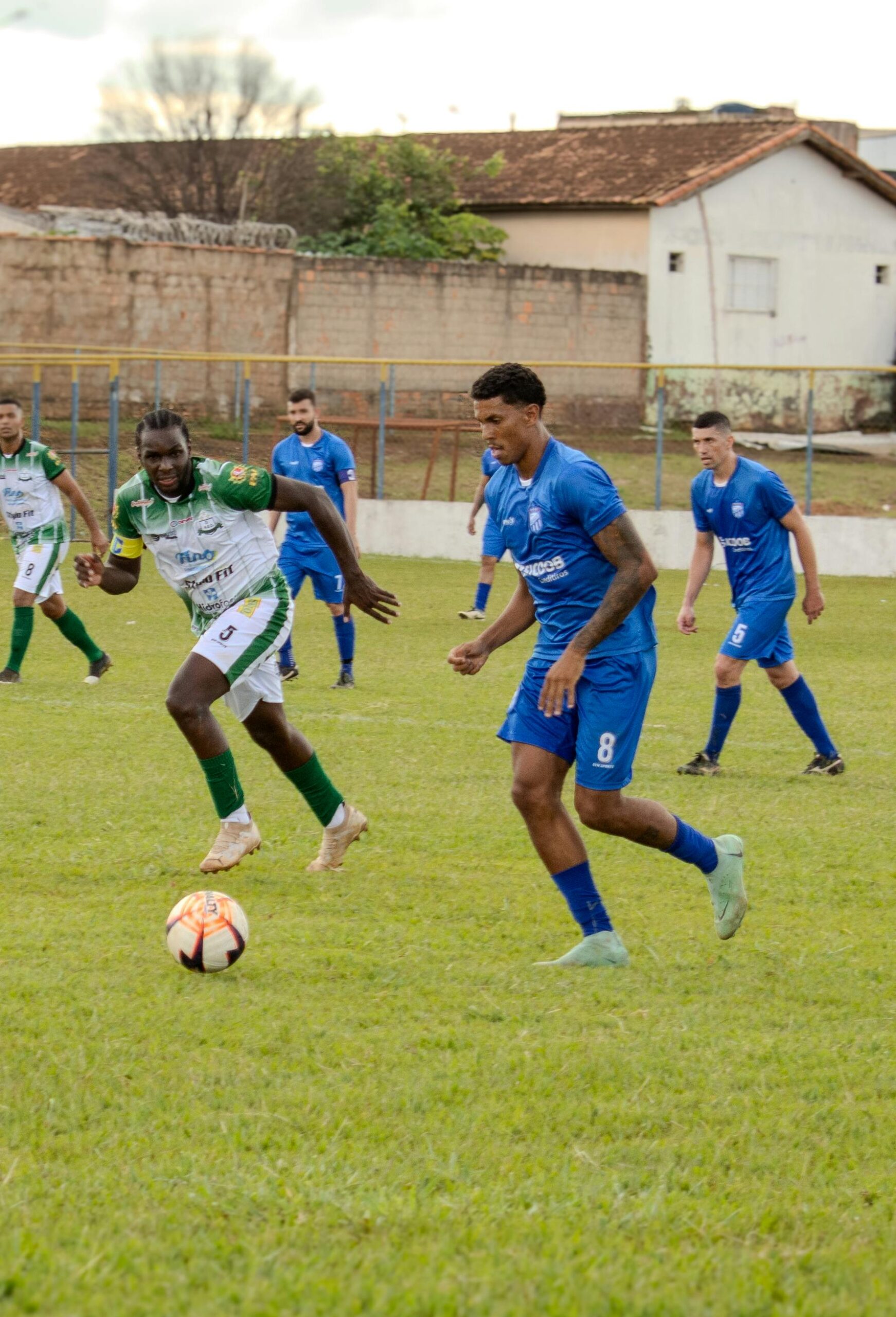
AU coaches have spent over 15 years on the touchline, watching soccer matches won and lost by a single heavy touch or an inaccurate pass. When parents and athletes ask how coaching improves ball control and passing accuracy, the answer lies in the microscopic details of footwork. At the youth and high school levels, the game is chaotic. Players rely on raw athleticism to kick the ball up the field and chase it. However, as athletes progress to higher levels, the time and space they have on the ball shrink dramatically.
Many athletes hit a developmental wall because team practices prioritize fitness, defensive shape, and team tactics over individual technical mastery. A team coach managing twenty players cannot pause a scrimmage to fix the angle of one midfielder’s plant foot. Proper, individualized instruction breaks down the mechanics of receiving and distributing the ball. Knowing exactly how to cushion a pass and strike the center of the ball is the fastest way to become the player that teammates trust under pressure.
Why Technical Mastery Matters for Athlete Development
In soccer, possession is everything. If an athlete cannot control a bouncing ball or deliver a crisp, accurate pass to a teammate’s preferred foot, they will constantly turn the ball over. Developing elite individual skills—like a soft first touch, proper body shape, and scanning the field—translates directly to controlling the tempo of the game.
When a soccer player trusts their ball control, their entire field vision opens up. They stop looking down at their cleats and start looking upfield to find the final pass. In-game performance improves because the athlete is not panicking when a defender closes in. For long-term development, mastering a directional first touch and accurate passing mechanics early prevents the frantic, kick-and-run habits that plague inexperienced players, ensuring athletes can confidently play out of the back and dominate the midfield.
Best Drills to Accelerate Ball Control and Passing
If an athlete wants to see their turnover rate plummet and their assist numbers rise, they must master the fundamentals of the ball. A top-tier AU coach will focus heavily on repetition, weight of pass, and body positioning. Here are the foundational drills used to build elite technical soccer players:
The Wall Pass Challenge (First Touch and Accuracy)
- How to perform: The athlete stands five yards from a solid wall or rebounder. They pass the ball firmly against the wall using the inside of their right foot, control the rebound with the inside of their left foot, and immediately pass it back with the left.
- Why it works: It provides hundreds of passing and receiving repetitions in just a few minutes. It forces the athlete to react quickly to the ball’s pace and develops a soft, reliable first touch on both feet.
- Coaching tip: Do not just stop the ball dead. The touch should push the ball slightly out of the feet so the athlete can step right into the next pass.
- Common mistake: Standing flat-footed. The athlete must always be on their toes, lightly bouncing between passes to adjust their body shape.
The Gate Passing Drill (Weight and Precision)
- How to perform: Set up two cones to create a small, two-foot-wide gate about ten yards away. The athlete must pass the ball perfectly through the gate to a partner or a wall without the ball touching the cones.
- Why it works: It demands absolute precision. In a real game, a pass must often thread the needle between two defenders. This drill trains the athlete to lock their ankle and follow through directly at the target.
- Coaching tip: The plant foot must point exactly at the target gate. If the plant foot is aimed wide, the pass will go wide.
- Common mistake: Leaning back while striking the ball, which causes the pass to pop up into the air instead of staying flat on the grass.
Directional First Touch Box (Receiving Under Pressure)
- How to perform: Set up a small five-by-five yard box with cones. A coach passes the ball firmly into the box. The athlete must take their very first touch out of the box at a 45-degree angle to set up a shot or a secondary pass.
- Why it works: Trapping the ball directly under the feet in a game invites a defender to step in and tackle. A directional touch moves the ball into open space, eliminating the defender instantly.
- Coaching tip: Drop the shoulder and physically step into the touch to guide the ball into the open space.
- Common mistake: Waiting for the ball to arrive instead of aggressively stepping to meet the pass.
The Scan and Receive Drill (Game Awareness)
- How to perform: The athlete stands with their back to the coach. The coach yells a color (representing a specific cone behind the athlete) and passes the ball. The athlete must check their shoulder, receive the ball on the half-turn, and dribble to the called color.
- Why it works: It builds the critical habit of checking the shoulder and establishing spatial awareness before the ball ever arrives.
- Coaching tip: Receive the ball across the body with the back foot so the body is instantly facing up the field.
- Common mistake: Waiting until the ball hits the foot to look up and figure out where to go next.
Connect with a Private Soccer Coach: https://athletesuntapped.com/browse/soccer/
Common Mistakes Athletes Make
Even the hardest workers will plateau if they reinforce bad technical habits. A great AU coach will identify and fix these common soccer mistakes immediately:
Passing With the Toe: Poking at the ball with the toe is inaccurate and unpredictable. For short and medium passes, athletes must open their hips and use the wide, flat surface of the inside of the foot to strike the center of the ball.
Trapping the Ball Dead: A first touch that completely stops the ball under the athlete’s center of gravity kills all momentum. The first touch should always be a setup touch, moving the ball slightly out in front of the body to prepare for the next action.
A Sloppy Plant Foot: The non-kicking foot acts as the steering wheel for the pass. If the plant foot is too far away from the ball, too close, or pointing the wrong direction, the pass will fail. It must be planted firmly beside the ball, pointing at the target.
Ignoring the Weak Foot: A player who can only pass and control the ball with their dominant foot is incredibly easy to defend. Opponents will simply force the player onto their weak side. Building a reliable off-foot is non-negotiable for higher-level play.
How Private Coaching Accelerates Improvement
Team practices are heavily focused on conditioning, set pieces, and full-field scrimmages. A club coach cannot pause a 11-on-11 game to show a center-back exactly why their passes keep getting intercepted. This is exactly where private soccer coaching accelerates improvement.
In a one-on-one setting, an AU coach can utilize slow-motion video breakdown to show the athlete exactly what their ankle and hips are doing at the moment of contact. If an athlete is constantly hitting passes that bounce, an AU coach can instantly identify that they are striking the bottom of the ball and correct their technique on the very next repetition. This hyper-focused environment builds immense confidence, corrects footwork issues instantly, and gives the soccer player a customized blueprint to become a midfield maestro.
Frequently Asked Questions About Soccer Passing and Control
How Long Does It Take to Improve Passing Accuracy?
An athlete will feel a difference in their ball contact and weight of pass during the very first lesson. However, building true passing consistency and translating mechanical changes into a fast-paced game usually takes 6 to 8 weeks of focused, structured repetitions.
Can I Practice Ball Control on My Own?
Absolutely. The wall is the best training partner a soccer player can have. Spending 20 minutes a day kicking a ball against a brick wall or a rebounder and focusing on receiving the ball cleanly will drastically improve a player’s first touch.
What Is the Most Important Part of a Good First Touch?
Relaxation and anticipation. If the ankle and leg are completely stiff, the ball will bounce five yards away like it hit a brick wall. The athlete must slightly relax their foot upon impact to cushion the ball, and they must anticipate where the space is before the ball arrives.
How Do Private Coaches Fix Passing Mechanics?
AU coaches fix passing mechanics by breaking the motion down into phases: the approach, the plant foot positioning, the ankle lock, the strike zone on the ball, and the follow-through. By isolating these parts, coaches can quickly fix the specific link in the chain that is causing the inaccuracy.
At What Age Should Players Focus on Passing and Control?
As soon as they start playing. While young players (ages 6 to 8) should focus heavily on dribbling and having fun, introducing basic push-passing mechanics and trapping early prevents bad habits. By ages 10 to 12, passing accuracy and directional first touches become the absolute most important skills on the field.
Find a Private Soccer Coach: https://athletesuntapped.com/browse/soccer/
Conclusion
Improving ball control and passing accuracy is not about buying more expensive cleats or running faster; it is about building clean, efficient, and repeatable technical mechanics. Soccer players need an instructor who will break down their body shape, correct their ankle lock, and build their field vision. When athletes prioritize a soft first touch, scanning the field, and proper passing technique over simply kicking the ball as hard as they can, they see their in-game confidence soar. Keep your head up, trust your touch, and command the pitch.
About Athletes Untapped
Athletes Untapped connects athletes of all sports with experienced private coaches who specialize in mental performance, sports psychology concepts, and competitive mindset training. Through personalized instruction and structured training plans, AU coaches help athletes eliminate performance anxiety, master their internal dialogue, and completely dictate their emotional response to adversity.
Find an experienced coach near you: https://athletesuntapped.com
Learn from our very best AU coaches!


