
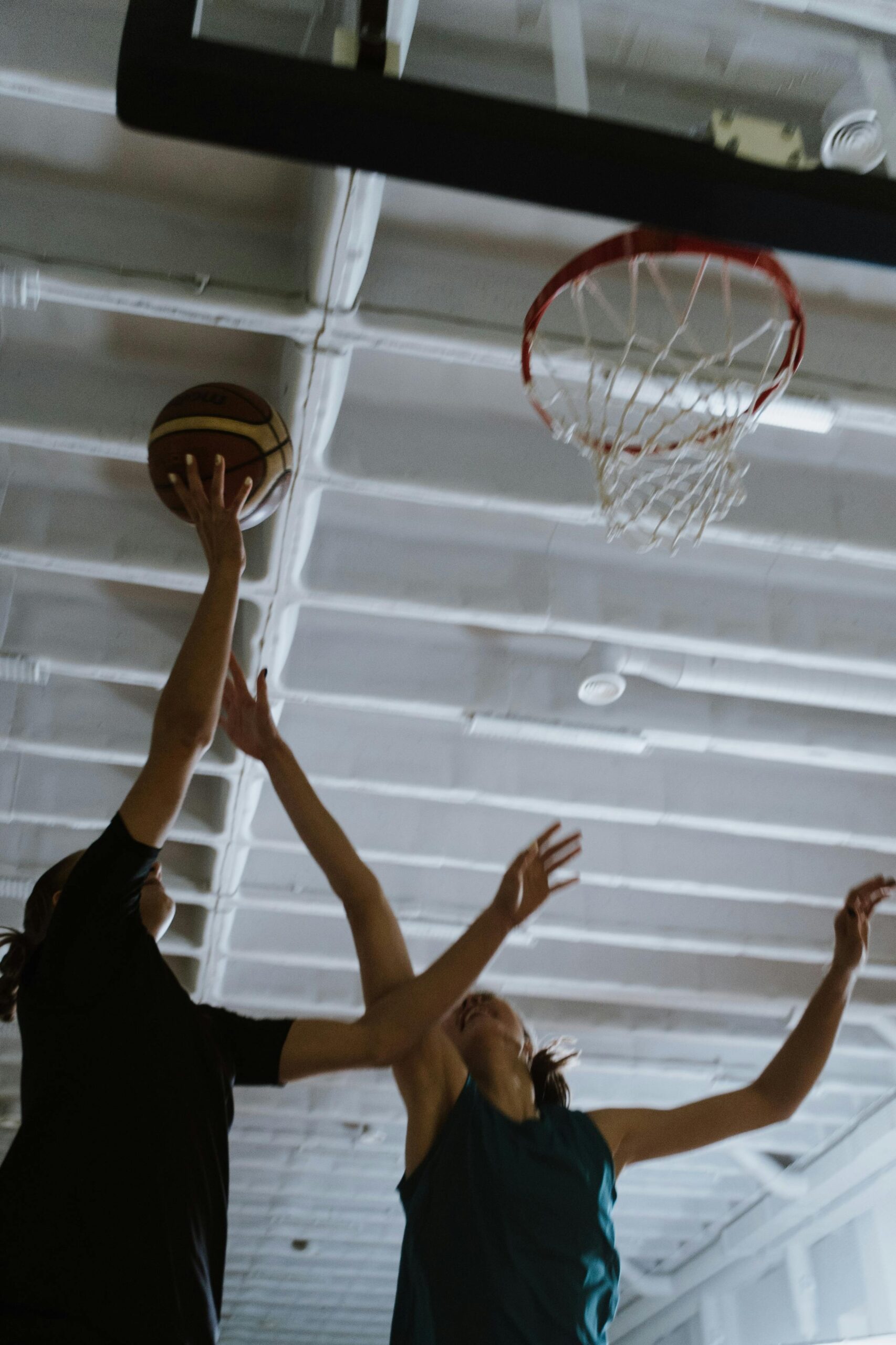
If you have been searching for a “basketball shooting coach near me: how to choose the right one,” you already know how frustrating a broken jump shot can be. You might watch your athlete spend hours in the driveway putting up hundreds of shots, only to see them shoot 20% from the field during their weekend AAU games. As a coach with over 15 years of experience developing youth, high school, and college players, I can tell you exactly why this happens: practice does not make perfect; practice makes permanent. If your child is shooting with a thumb flick or a flat arc, shooting 500 balls a day is only cementing that bad habit.
Many athletes and parents struggle because they don’t know the difference between a high-level shooting mechanic specialist and a trainer who just passes the ball and yells “good shot.” A mediocre trainer treats the symptoms; a great shooting coach fixes the disease.
Proper private training changes everything. An elite shooting coach breaks down the kinetic chain, aligns the body, and builds a shot that holds up under the pressure of a varsity game. Let’s dive into what real shooting instruction looks like, and how you can confidently choose the right coach for your athlete.
Why Finding the Right Coach Matters for Athlete Development
Choosing the right private shooting coach will completely alter your athlete’s trajectory in the sport. I’ve seen countless players get cut from their high school teams not because they couldn’t dribble, but because the defense simply left them wide open and dared them to shoot.
When you invest in a high-quality shooting coach, the performance impact is massive:
- Confidence: Shooters are not born; they are built. When an athlete understands the physics of their shot and fully trusts their mechanics, they stop hesitating. They step into their shots with ultimate confidence, even after a miss.
- Game Performance: Elite coaches bridge the gap between stationary form shooting and live-game action. They teach athletes how to read closeouts, utilize screens, and properly align their feet while moving at full speed.
- Long-Term Development: Good coaches protect their athletes by teaching efficient, effortless power. Teaching a young player to generate range from their legs and hips—rather than violently pushing the ball from their chest—prevents shoulder injuries and prepares them for the deeper high school and college three-point lines.
Best Drills and Techniques to Expect from a Top-Tier Coach
When evaluating a potential shooting coach, watch their first session closely. If they immediately put your 12-year-old on the three-point line to shoot, grab your bag and leave. Elite coaches build the shot from the inside out. Here are 5 essential drills a high-quality coach will use to rebuild a jumper:
1. One-Handed Form Shooting (The Foundation)
- How to perform it: The athlete stands two feet from the rim. Using strictly their shooting hand, they must make 10 swishes. The ball rests on the finger pads, the elbow forms a 90-degree L-shape, and the wrist snaps cleanly, ending with the fingers pointing directly down into the hoop.
- Why it works: It completely isolates the release mechanism. By removing the guide hand and the lower body, the coach can perfectly align the shooting elbow with the player’s hip and the rim.
- Coaching tips: The index and middle fingers should be the last things to touch the ball. Hold the follow-through until the ball hits the floor.
- Common mistakes: Pushing the ball with the palm instead of rolling it off the fingertips, resulting in a flat shot with no backspin.
2. The Guide Hand Isolation Drill
- How to perform it: The athlete sets up for a normal form shot near the basket. However, instead of the guide hand resting firmly on the ball, the coach has the athlete place a coin between their guide hand thumb and the basketball. The athlete shoots without dropping the coin until the release.
- Why it works: The “thumb flick” from the off-hand is the number one cause of missed shots left or right. This drill forces the guide hand to stay completely flat and passive.
- Coaching tips: The guide hand’s only job is to cradle the ball before the upward motion begins. It should release just before the shooting wrist snaps.
- Common mistakes: Gripping the ball too tightly with the guide hand, causing the ball to spin like a tornado instead of with clean, end-over-end backspin.
3. The Rhythm Dip and Explode
- How to perform it: The athlete catches a pass on the perimeter. Instead of keeping the ball high, they actively “dip” the ball to their waist level while simultaneously dropping their hips, then explode upward in one fluid motion to shoot.
- Why it works: Many young players have a mechanical, two-piece shot. The “dip” initiates rhythm and syncs the upper body’s momentum with the upward drive of the legs, generating effortless range.
- Coaching tips: The dip should be quick and relaxed. Your hips should drop at the exact same time the ball drops.
- Common mistakes: Catching the ball and pausing, which kills all kinetic energy and forces the player to shoot entirely with their arms.
4. The 1-2 Step Catch and Shoot (Directional Alignment)
- How to perform it: The coach passes to the athlete moving laterally. For a right-handed shooter moving left, they step left foot, then right foot (1-2), squaring their shoulders to the rim before jumping.
- Why it works: Basketball is dynamic. Players rarely shoot standing completely still. This teaches the feet to quickly anchor to the floor and align the hips to the basket under speed.
- Coaching tips: The second step (the anchor step) must be aggressive. Keep your shoulders over your toes to avoid fading backward.
- Common mistakes: Crossing the feet or taking too long of a stride, which destroys balance and power.
5. The Off-the-Dribble Pound Pull-Up
- How to perform it: The athlete takes two hard, downhill dribbles. On the second dribble, they violently pound the basketball into the floor, instantly gather it into their shooting pocket, and rise for the jumper.
- Why it works: Transitioning from driving to shooting requires massive deceleration. The hard pound dribble forces the ball up into the shooting hand faster, allowing the player to rise before the defender can contest.
- Coaching tips: Drop your center of gravity on that final pound dribble. Your eyes should lock onto the rim the split second the ball hits your hands.
- Common mistakes: Drifting forward on the jump instead of rising straight up, which often leads to offensive fouls or blocked shots.
Connect with a Private Basketball Coach: https://athletesuntapped.com/browse/basketball/
Common Mistakes Parents Make When Choosing a Shooting Coach
Selecting the right instructor is critical, yet many families make the same avoidable mistakes:
- Hiring a “Rebounder” Instead of a Teacher: If the coach is just feeding passes from the rebounding machine and yelling “knock it down,” they aren’t coaching. A true shooting coach will stop the workout to manually adjust the athlete’s elbow flare or foot angle.
- Believing Game-Speed Reps Fix Broken Mechanics: You cannot fix a hitch in a jump shot while running full-speed transition drills. Mechanics must be deconstructed and rebuilt at a slow pace before speed is ever introduced.
- Ignoring Lower Body Mechanics: If a coach only talks about the athlete’s arms and hands, find a new coach. 80% of a jump shot’s power and consistency comes from footwork, balance, and leg drive.
- Expecting an Overnight Fix: Rebuilding a shot takes thousands of reps to overwrite old muscle memory. Many players will actually shoot worse for a few weeks while they adjust to the correct form. Impatience leads to jumping from coach to coach, which destroys the athlete’s progress.
How Private Coaching Accelerates Improvement
Shooting is the most technical skill in basketball, making group clinics incredibly inefficient for fixing a jumper. In a team practice, a coach cannot monitor the rotation of your child’s basketball on every single shot.
Private coaching accelerates improvement because it relies on immediate, hyper-focused feedback. If an athlete’s shot misses consistently to the right, a private coach knows instantly that the shooting elbow is flaring out or the guide hand thumb is interfering. We can stop the drill, physically adjust the alignment, and run the shot again until the release is perfect. This environment corrects minute flaws before they become permanent. When an athlete knows their shot is mechanically sound, their in-game confidence skyrockets, transforming them from a hesitant role player into a dangerous scoring threat.
Find a Private Basketball Coach: https://athletesuntapped.com/browse/basketball/
Frequently Questions About Basketball Shooting Coach Near Me: How to Choose the Right One
How much does a private basketball shooting coach cost?
Depending on your region and the coach’s specific expertise, high-level private shooting lessons typically range from $60 to $120 per hour. When choosing, prioritize their ability to teach biomechanics over their personal playing resume.
How long does it take to fix a broken jump shot?
To see a permanent change in muscle memory, it generally takes 4 to 8 weeks of consistent private lessons, provided the athlete is strictly practicing the new mechanics on their own time. It is a marathon, not a sprint.
At what age should a player get a dedicated shooting coach?
While basic layups and form shooting can start at ages 7 to 9, bringing in a specialized shooting coach is highly beneficial around ages 10 to 12. This is the critical window where players are strong enough to shoot correctly but haven’t yet cemented a decade of bad habits.
Can a shooting coach help with in-game confidence?
Absolutely. A lack of confidence usually stems from a lack of technical certainty. When an elite coach proves to a player exactly why their shot goes in, the player stops hoping and starts knowing. That technical mastery translates directly to in-game swagger.
What is the difference between a general skills trainer and a shooting coach?
A general skills trainer often focuses on conditioning, advanced dribbling packages, and overall physical fitness. A dedicated shooting coach acts more like a biomechanics expert, meticulously analyzing finger placement, elbow angles, and foot alignment to build a mathematically perfect shot.
Conclusion
Typing “basketball shooting coach near me: how to choose the right one” into your search bar is the first step toward unlocking your athlete’s true scoring potential. Stop settling for trainers who just count makes and misses. You need a dedicated instructor who understands the kinetic chain, prioritizes footwork, and communicates precise, actionable feedback. When you commit the time and find a coach who truly understands the science of shooting, you will watch your athlete’s confidence and shooting percentage absolutely transform on the court.
About Athletes Untapped
Athletes Untapped connects athletes of all sports with experienced private coaches who specialize in mental performance, sports psychology concepts, and competitive mindset training. Through personalized instruction and structured training plans, AU coaches help athletes eliminate performance anxiety, master their internal dialogue, and completely dictate their emotional response to adversity.
Find an experienced coach near you: https://athletesuntapped.com
Learn from our very best Coach Shannon and Coach Andrew.
Search for private basketball coaching in areas such as San Francisco, Charlotte, and Atlanta.


