There’s nothing more frustrating than watching your child struggle with something in their sport… and then completely ignore you when you try to help.
You’re in the driveway showing them the same footwork their coach teaches. You’re giving them tips you know would make things easier. You’re trying to help because you care.
But the second you open your mouth, they shut down. They roll their eyes. They get defensive. They act like you’ve never played a sport in your life.
And you’re left thinking, “Why will they listen to everyone except me?”
You’re not imagining it. And you’re definitely not alone.
What’s Really Going On (Hint: It’s Not About You Being Wrong)
Kids don’t ignore their parents because the advice is bad. They ignore their parents because of the relationship.
You’re the safe person. The one they can melt down in front of. The one they can push back against. The one whose approval matters the most.
So when you give feedback, it doesn’t feel like coaching. It feels like pressure.
Even if you’re calm. Even if you’re right. Even if you’re trying to help.
Your voice hits differently than a coach’s voice. It carries weight your child can’t always handle.
Why Kids Listen to Coaches More Than Parents
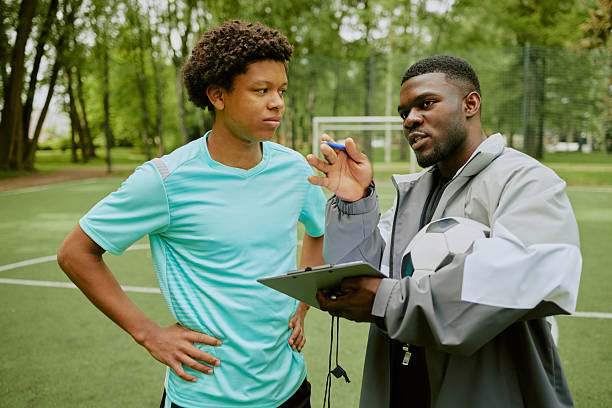
Kids hear coaching from a coach as information. They hear coaching from a parent as expectation.
A coach says, “Bend your knees more,” and it feels like instruction. A parent says the same thing, and it feels like judgment.
Coaches are neutral. Parents are emotional. Kids know that.
And because they care so deeply about what you think, they protect themselves by tuning you out.
It’s not disrespect. It’s self‑preservation.
The Mistakes Parents Make Without Realizing It
Most parents try to help in ways that accidentally make things worse.
They give advice right after games, when emotions are high. They correct technique during backyard play, when kids just want to have fun. They compare their child to teammates, thinking it will motivate them. They talk about effort or focus in a way that feels like criticism.
None of this comes from a bad place. It comes from wanting your child to succeed.
But to a kid, it feels like pressure layered on top of pressure.
Ways To Actually Help Your Child Improve Without Damaging Your Relationship
- Separate “parent time” from “sports time.” Kids need moments where they’re just your child, not your athlete. Car rides, dinners, weekends — keep some spaces free of sports talk.
- Ask before giving advice. A simple “Do you want help or do you just want to vent?” changes everything. Kids open up more when they feel in control.
- Let coaches coach. Your child needs one voice in their ear during games and practices. If you want to help, support the coach’s message instead of adding your own layer.
- Focus on effort, not execution. Instead of “You need to shoot quicker,” try “I loved how hard you competed today.” Confidence grows faster than mechanics.
- Bring in a neutral third party. Kids often thrive with a private coach because the emotional weight disappears. They can fail, learn, and grow without feeling like they’re disappointing you.
When Your Child Finally Starts Listening
Something amazing happens when you step back. Your child starts stepping forward.
They become more coachable. More confident. More open to learning. More willing to ask for help — even from you.
Because when the pressure drops, the connection grows.
And that’s the whole point.
If Your Child Needs a Voice They’ll Actually Hear
Athletes Untapped gives kids exactly what they struggle to get from parents: a neutral coach who teaches, encourages, and builds confidence without emotional pressure.
If your child shuts down when you try to help, that’s normal — and fixable. We’re here to support them in a way that protects your relationship and accelerates their growth.