Why Breathing Control Determines Swimming Endurance
Swimming endurance is not just about cardiovascular fitness. Poor breathing habits disrupt rhythm, elevate heart rate, and cause swimmers to fatigue early. Controlled breathing allows swimmers to maintain technique as distance increases.
Developing efficient breathing patterns improves both sprint and distance performance.
Common Breathing Mistakes in Young Swimmers
Many swimmers struggle with:
- Lifting the head too high to breathe
- Holding breath between strokes
- Breathing irregularly under fatigue
- Rushing breaths during races
- Losing body alignment while breathing
These mistakes compound fatigue and slow swimmers significantly.
Proper Breathing Mechanics for Swimming Efficiency
Effective breathing should be relaxed and rhythmic.
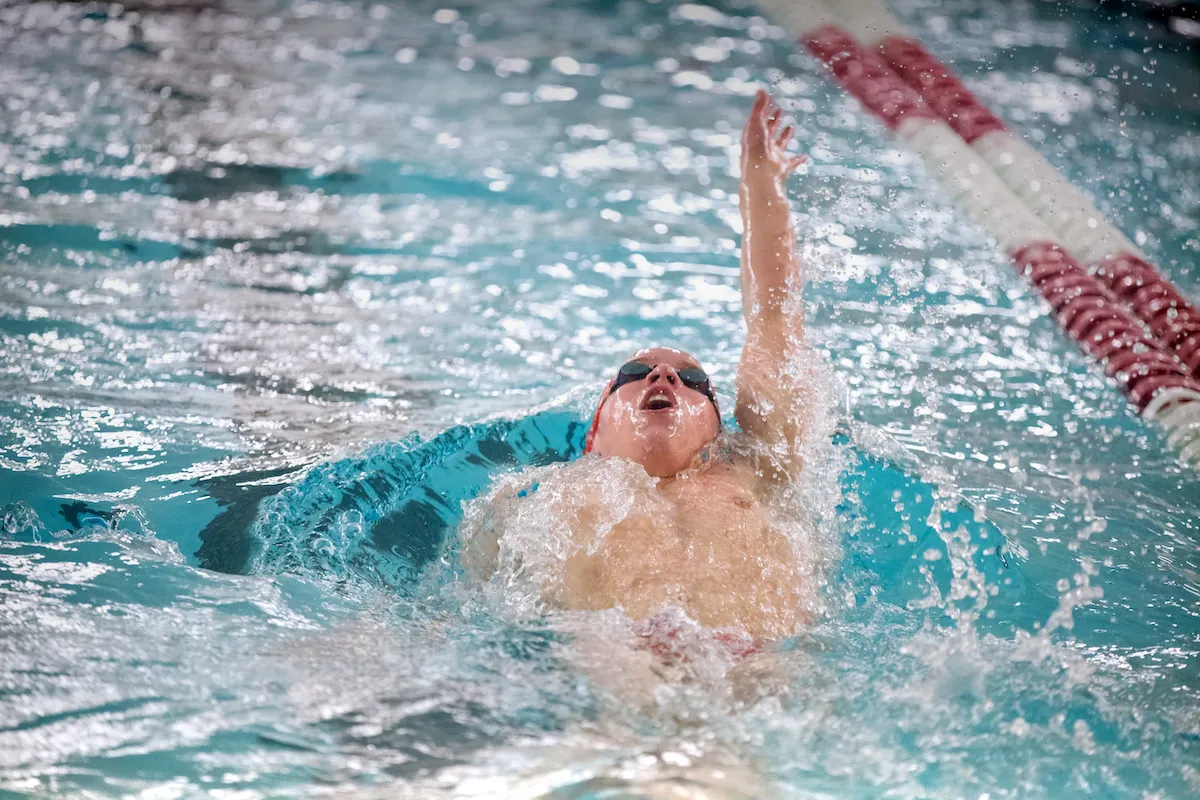
Swimmers should rotate the body slightly, keep one goggle in the water, and exhale continuously underwater to avoid breath-holding.
Freestyle Breathing Pattern Drills for Consistency
Consistent patterns create rhythm.
Bilateral breathing drills improve symmetry and prevent overuse injuries while maintaining balance in the stroke.
Hypoxic Training Drills for Breath Control
Hypoxic drills train breath awareness.
Reduced-breathing sets help swimmers stay calm under discomfort without sacrificing stroke mechanics.
Read this blog to learn about the importance of swimming fitness.
Breathing Control Drills for Sprint vs Distance Events
Breathing needs vary by race type.
Sprint drills emphasize controlled, limited breathing, while distance drills reinforce steady, sustainable patterns.
Kick and Pull Sets Focused on Breathing Efficiency
Isolating components improves focus.
Pull buoy breathing drills help swimmers concentrate on upper-body control without excessive leg fatigue.
Endurance Swim Sets With Technique Emphasis
Endurance does not mean sloppy form.
Long aerobic sets with stroke checkpoints reinforce proper mechanics under fatigue.
Mental Focus and Breathing Under Race Pressure
Anxiety affects breathing.
Visualization and pacing drills help swimmers maintain control during competition.
Why Breathing-Focused Training Improves Race Consistency
Controlled breathing stabilizes heart rate and preserves energy.
Swimmers who breathe efficiently finish races stronger.
Watch this video to learn more about staying calm under pressure and how that leads to improved consistency.
Coaching’s Role in Breathing Development
Coaches correct timing, rotation, and head position. External feedback helps swimmers develop consistent habits.
Final Thoughts on Swimming Breathing Training
Breathing control transforms endurance. When breathing improves, technique and confidence follow.
About Athletes Untapped
Athletes Untapped connects swimmers with experienced private coaches who specialize in breathing efficiency, endurance development, and race pacing. Personalized coaching helps swimmers stay controlled and confident throughout every race.
Find an experienced coach near you: https://athletesuntapped.com
Learn from our very best Coach Marcelo and Coach Benjamin.