Why Visualization Matters for Young Athletes
Visualization is one of the most powerful tools youth athletes can use to improve performance without physically training. By mentally rehearsing skills, movements, and game scenarios, athletes strengthen neural pathways that guide real-world execution. This mental training enhances muscle memory, reaction time, and overall confidence—helping athletes perform under pressure.
For example, a young volleyball player imagining the perfect serve or a sprinter visualizing an explosive start can create mental familiarity with the motions. This reduces hesitation and increases fluidity when executing in actual competition. Over time, these mental rehearsals can build automatic responses that feel natural during game situations.
Visualization also reduces performance anxiety. Athletes who have “seen” themselves succeed in their mind are more likely to approach competition with confidence. This mental preparation complements physical training, ensuring that both mind and body are ready for peak performance.
Step-By-Step Visualization Techniques
Effective visualization isn’t just “thinking about the game.” It’s a structured process:
- Find a Quiet Space: Reduce distractions to allow focused imagery.
- Set Clear Goals: Decide whether the focus is a skill, a full play, or an entire game scenario.
- Engage All Senses: Imagine not just movements, but sounds, sights, and even emotions tied to success. For example, hear the whistle start a race or feel the sand under your volleyball feet.
- Practice Regularly: Short, daily sessions are more effective than infrequent, long sessions.
By consistently applying these steps, athletes can reinforce correct techniques and prepare their minds for challenging situations.
Enhancing Performance Through Mental Rehearsal
Visualization can improve performance in multiple ways:
- Skill Refinement: Mentally practicing a serve or sprint start strengthens coordination without physical fatigue.
- Confidence Building: Seeing yourself succeed in your mind builds belief that you can perform in reality.
- Anxiety Reduction: Familiarity with scenarios reduces stress by creating a sense of preparedness.
- Faster Decision-Making: Pre-imagined responses to plays allow for quicker, instinctive reactions.
Coaches can encourage athletes to pair visualization with physical practice for maximum effectiveness. Mental rehearsal is especially useful when recovering from injuries, as athletes can continue training their mind while their body heals.
Incorporating Visualization Into Daily Training
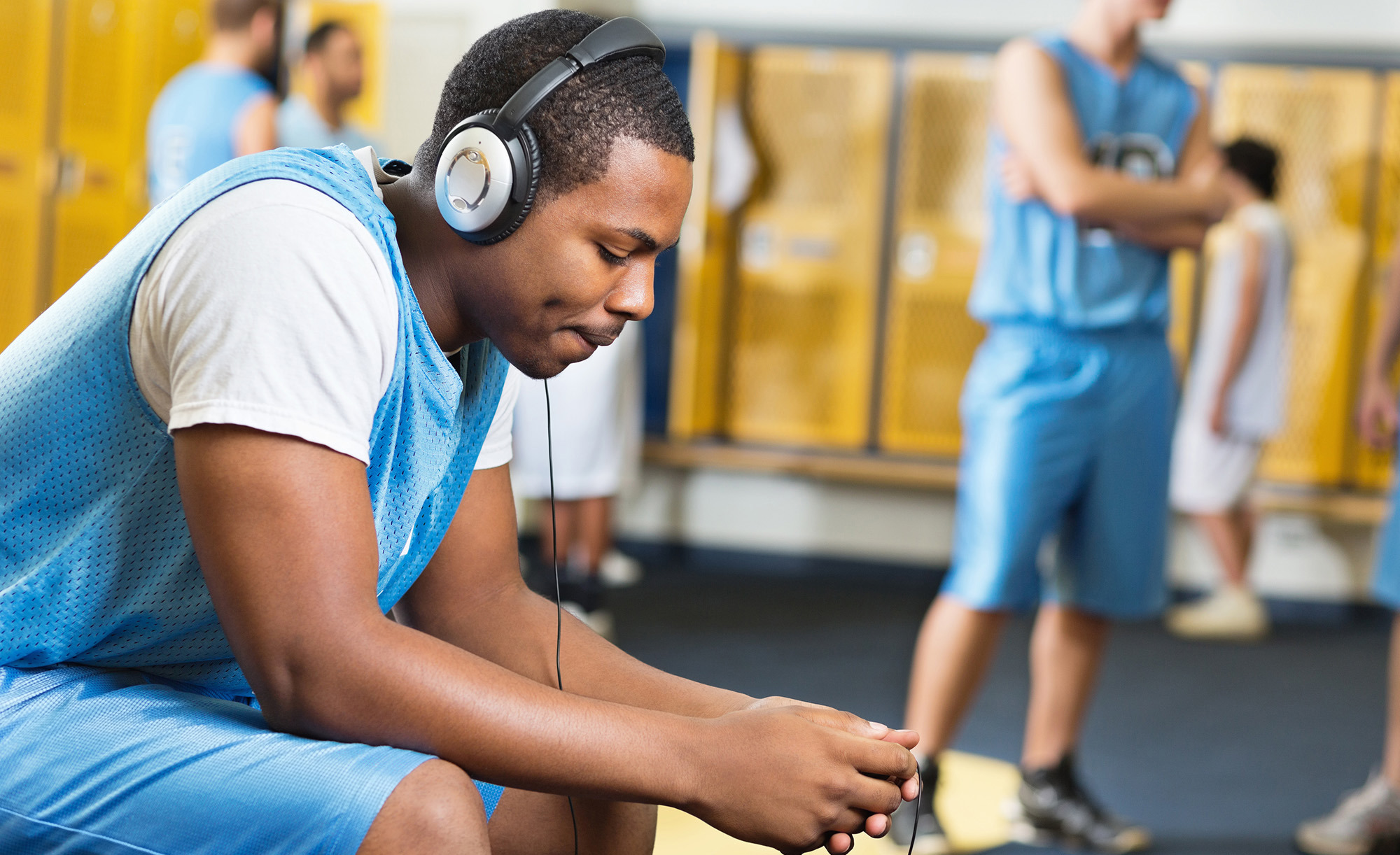
Youth athletes should treat visualization like any other training session. For instance, before practice or games, spend 5–10 minutes visualizing key skills. Some athletes benefit from using music or slow-motion imagery to focus attention. Others prefer brief mental rehearsals during warm-ups.
Track and field athletes might imagine perfect hurdle technique or sprint drive, while volleyball players visualize serve placement, court positioning, and anticipating opponents’ moves. The goal is to “train the mind” as deliberately as the body.
Common Pitfalls and How to Avoid Them
Even though visualization is powerful, many athletes struggle to implement it effectively. Common mistakes include:
- Vague Imagery: Not picturing exact movements or outcomes.
- Negative Focus: Imagining mistakes rather than correct execution.
- Inconsistency: Practicing sporadically instead of making it routine.
Encouraging detailed, positive, and consistent mental rehearsals will prevent these issues and maximize benefits. Coaches can guide athletes by asking them to describe what they “see” and “feel” during their mental practice, reinforcing clarity and focus.
Fun Fact: Elite Athletes Use Visualization Daily
Olympians, professional athletes, and top performers in all sports rely heavily on mental imagery. Studies show that visualizing a skill activates the same brain regions as physically performing it. This means even off the field, an athlete can train effectively through focused mental practice. Athletes who combine physical and mental training often gain a measurable edge in speed, accuracy, and confidence.
Conclusion: Making Mental Rehearsal a Habit
For youth athletes, visualization is more than just a “mind game.” It develops confidence, reduces anxiety, and sharpens skills—all of which translate into better in-game performance. Coaches and parents can encourage young athletes to set aside time each day for structured visualization. Over weeks and months, mental rehearsal can be just as impactful as physical training, giving athletes an edge over competition.
Athletes Untapped: Private Mental Performance Coaching
Athletes Untapped connects youth athletes with private coaches specializing in mental performance, visualization, and focus strategies. Personalized sessions focus on goal-setting, mental rehearsal, concentration, and confidence-building. One-on-one instruction allows athletes to address specific challenges and refine strengths in a focused environment.
Through structured drills and mental performance exercises, athletes develop the confidence and composure necessary to perform at their best in every practice and competition. With improved mental preparedness, youth athletes become leaders who elevate their entire team’s performance.
Find an experienced coach near you: https://athletesuntapped.com
Learn from the best Coach Jack and Coach Deezha.