Why Agility and Conditioning Matter for Youth Athletes
Agility and conditioning are fundamental components of athletic development for youth athletes. Regardless of the sport—soccer, basketball, volleyball, baseball, or track—athletes must move quickly, react efficiently, and maintain their performance throughout the duration of competition. Agility training improves coordination, balance, and reaction time, while conditioning enhances stamina and recovery between bursts of intense activity.
Young athletes who develop agility and conditioning early build a strong physical foundation that supports long-term performance. These skills allow athletes to react quickly during game situations, adjust to unpredictable movements, and sustain high levels of energy during competition. Over time, agility and conditioning training helps athletes become more confident, resilient, and versatile competitors.
Understanding the Key Components of Agility
Agility is often misunderstood as simply being quick on your feet. In reality, agility involves multiple physical and neurological skills working together. Athletes must be able to move efficiently while maintaining control and balance.
Key components of agility include:
Change of Direction: Athletes must be able to decelerate, pivot, and accelerate in a new direction quickly.
Reaction Time: Sports often require instant responses to visual or auditory cues, such as reacting to a pass or chasing a loose ball.
Balance and Stability: Maintaining body control during quick movements helps prevent injuries and improves athletic efficiency.
Foot Speed: Fast, controlled footwork allows athletes to reposition themselves quickly during plays.
Training that targets these elements allows youth athletes to move with greater precision and speed.
Why Conditioning Is Essential for Performance
Conditioning refers to the body’s ability to sustain physical activity over time. Without proper conditioning, athletes fatigue quickly, which can reduce speed, reaction time, and decision-making ability.
Conditioning training improves several key performance areas:
- Cardiovascular endurance
- Muscular endurance
- Recovery time between high-intensity efforts
- Mental toughness during competition
For youth athletes, conditioning workouts should emphasize short bursts of high-intensity movement rather than only long-distance endurance training. Many sports involve repeated sprints and quick changes in direction, so training should reflect those demands.
Effective Agility Drills for Youth Athletes
Agility drills should focus on coordination, balance, and quick directional changes. Several drills are particularly effective for developing these skills.
Cone Shuttle Drills
Cone drills help athletes practice accelerating, stopping, and changing direction quickly. Cones can be arranged in various patterns, such as zig-zags or squares, to challenge different movement patterns.
Agility Ladder Drills
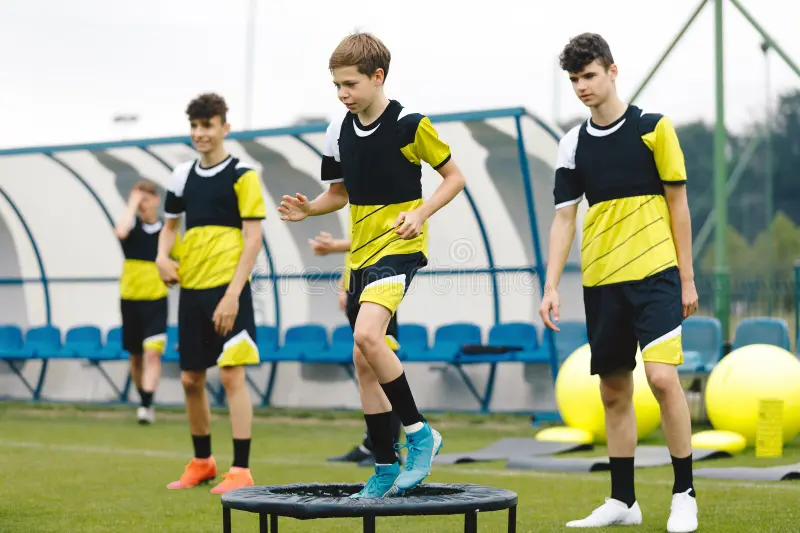
Ladder drills improve foot speed and coordination. Exercises such as high knees, lateral steps, and in-and-out footwork encourage precise foot placement and rhythm.
Reaction Ball Training
Reaction balls bounce unpredictably, forcing athletes to react quickly and adjust their movement patterns. These drills help develop reaction time and coordination.
Mirror Drills
Mirror drills involve two athletes facing each other. One athlete leads movements while the other mirrors them. This exercise improves reaction speed and defensive agility.
These drills develop the quick movements and coordination needed in competitive sports.
Conditioning Drills That Build Athletic Endurance
Conditioning workouts should replicate the intensity and pacing of real competition. Youth athletes benefit from workouts that combine explosive movement with short recovery periods.
Sprint Intervals
Short sprints of 20–40 meters improve acceleration and cardiovascular conditioning. Athletes perform multiple sprints with limited rest between efforts.
Shuttle Runs
Shuttle runs require athletes to sprint between markers placed several yards apart. These drills challenge both speed and endurance.
Jump Rope Training
Jump rope is a simple yet effective exercise for improving coordination, cardiovascular fitness, and lower leg strength.
Circuit Training
Circuit workouts combine multiple exercises—such as push-ups, squats, lunges, and sprints—into a continuous sequence. This approach develops full-body endurance while keeping workouts engaging.
Including a variety of drills ensures athletes develop both physical stamina and movement skills.
Read this article to learn about the Ultimate Trio for athletic success: Strength, Speed, and Endurance.
Combining Agility and Conditioning
Agility and conditioning training are most effective when integrated together. For example, an athlete may complete ladder drills followed by sprint intervals. This structure simulates the demands of competition, where athletes must perform quick movements repeatedly with minimal recovery.
Sports such as soccer, basketball, and volleyball require athletes to sprint, stop, change direction, and sprint again within seconds. Training these patterns improves both physical performance and endurance.
Injury Prevention Benefits
Agility and conditioning training also plays a major role in injury prevention. Improved balance, coordination, and muscle strength help protect joints and ligaments during rapid movements.
Exercises that emphasize proper landing mechanics, controlled deceleration, and core stability reduce the risk of common injuries such as ankle sprains or knee strains. Youth athletes who consistently train agility often demonstrate better movement control during competition.
Fun Fact: Agility Is Highly Trainable
While some athletes appear naturally quick, research shows agility can improve significantly with structured training. Even small improvements in foot speed or reaction time can create noticeable advantages in competition.
Youth athletes who regularly practice agility drills often see improvements in their ability to anticipate plays, move efficiently, and perform under pressure.
Conclusion: Building Faster, More Resilient Athletes
Agility and conditioning are essential for youth athletes seeking to improve speed, coordination, and endurance. Structured training that combines quick-footwork drills, sprint intervals, and sport-specific movements prepares athletes for the physical demands of competition.
By consistently practicing these skills, young athletes become more explosive, more durable, and more confident competitors.
Athletes Untapped: Private Strength and Speed Coaching
Athletes Untapped connects youth athletes with experienced coaches who specialize in strength, speed, and athletic performance development. Personalized sessions focus on sprint mechanics, agility training, explosive power, and proper movement techniques.
One-on-one coaching allows athletes to identify weaknesses, improve their physical abilities, and build confidence in a structured environment. Through targeted drills and progressive training programs, athletes learn how to move faster, react quicker, and perform at a higher level in their sport.
With improved strength, speed, and athletic awareness, youth athletes develop the tools needed to compete confidently and elevate their overall performance.
Find an experienced coach near you: https://athletesuntapped.com
Learn from our best Coach Maxwell and Coach Derek!