
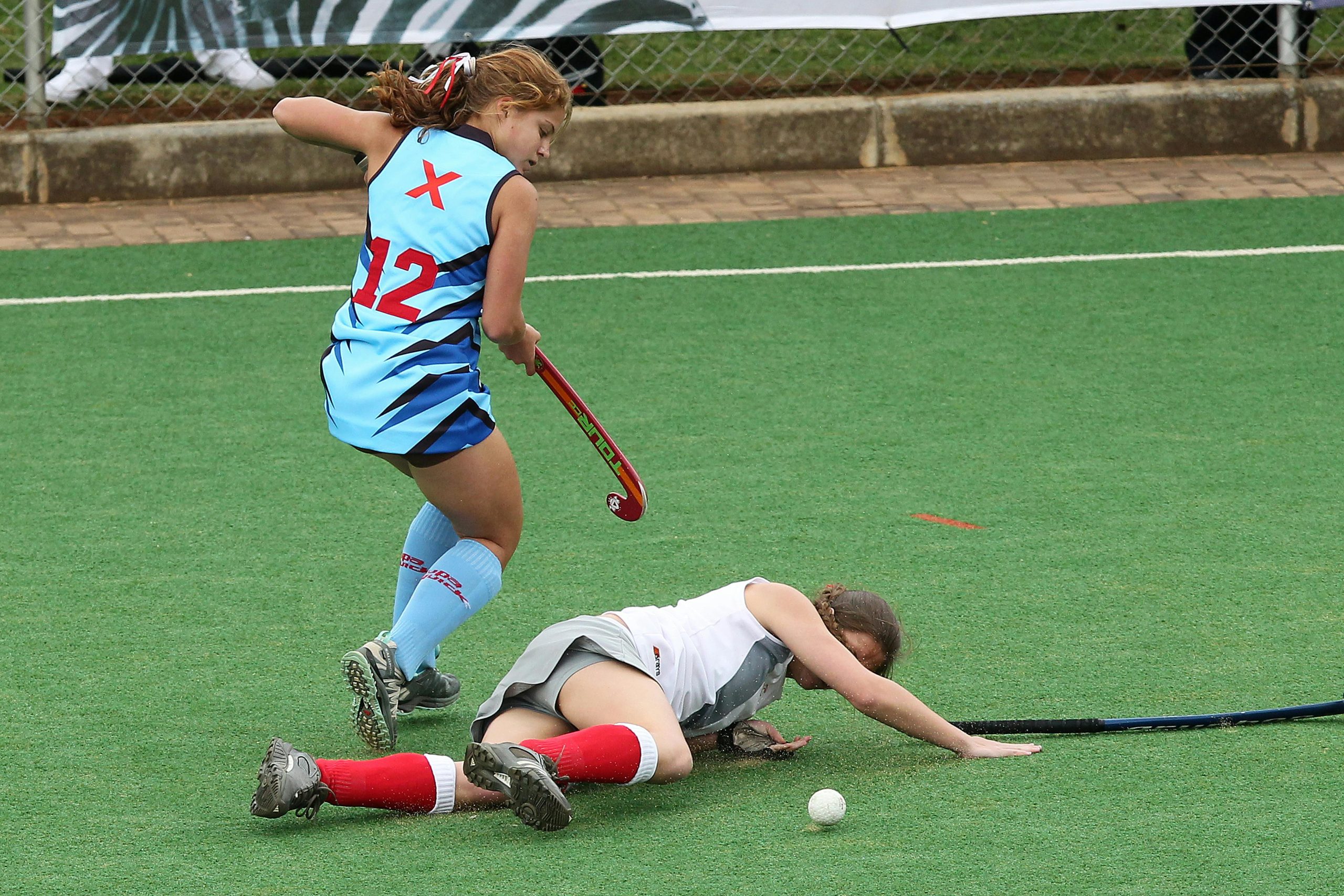
In field hockey, possessing beautiful stick skills in a static cone drill is a great foundation, but the actual game is won and lost in the chaotic, high-speed transition moments. You can have the most structured offensive playbook in your league, but if your forwards cannot capitalize on a fast-break numbers advantage, your hard-fought possession is completely wasted. Much like managing the highly unpredictable, fast-paced operations of a busy cafe, or executing a high-stakes marketing campaign, running a fast break requires you to process a dozen moving pieces at once, communicate loudly, and make split-second, high-ROI decisions before the window of opportunity closes.
At Athletes Untapped, our coaches notice that many youth and high school teams struggle massively with numerical advantages. When presented with a 3v2 fast break, players often panic. They either pass the ball immediately before drawing a defender, or the ball carrier puts their head down and dribbles directly into a double-team. This lack of tactical processing leads to blown scoring opportunities, exhausted midfielders, and a highly frustrating inability to put the game away.
The secret to thriving in this chaos and completely overwhelming the opposing defense lies in mastering the continuous 3v2 field hockey drill. Proper, high-paced execution of this specific drill fixes the panic. It forces players to utilize the width of the pitch, master the concept of committing a defender, and establish a deeply ingrained transitional stamina that translates directly to ruthless game-day finishing.
Connect with a Private Field Hockey Coach: https://athletesuntapped.com/browse/field-hockey/
Why the Continuous 3v2 Drill Matters for Athlete Development
Your ability to read the supply and demand of open space on the turf dictates your overall tactical IQ. Without a sound understanding of how to exploit a defense that is outnumbered, you are essentially letting your opponent off the hook every time they make a mistake.
- Game Performance: Elite 3v2 execution directly translates to a massive increase in goal-scoring efficiency. When you fully understand how to draw the top defender and slip a pass to a wide-open winger, you completely bypass the risk of a 1v1 tackle. You turn a frantic sprint down the field into a clinical, mathematical execution simply because you know how to leverage your extra player.
- Confidence: Our coaches have seen athletes improve faster when they are repeatedly exposed to game-like chaos in practice. When you run a continuous 3v2 drill, there is no time to overthink your mistakes; you have to instantly react to the next play. You gain the composure to keep your eyes up and dictate the pace, trusting your decision-making because you have successfully navigated this exact scenario hundreds of times.
- Long-Term Development: As you progress to higher levels of field hockey, the transition from offense to defense happens in the blink of an eye. You no longer have the luxury of jogging back to your position after taking a shot. A tactically sound foundation built through continuous drills provides the elite mental endurance needed to switch your brain from “attacker” to “defender” instantly, ensuring your value scales as a true two-way player.
Best Tips & Techniques for Executing the Continuous 3v2
You cannot master the fast break by just casually jogging three players toward the goal. A continuous 3v2 is a grueling, lung-burning drill that requires absolute structural discipline to run correctly. Here is how AU coaches break down the mechanics and roles of the ultimate transition drill.
1. The Setup and The Flow (How It Works)
Set up the drill between the 25-yard lines or using half the pitch. Two defenders start in the center. Three attackers start from one end line and sprint forward with the ball, attacking the two defenders.
The Continuous Rule: The absolute second the ball is shot, saved, or stolen, the play is dead. Immediately, two of the original three attackers must drop their sticks and instantly become the two new defenders. Simultaneously, three brand-new attackers sprint out from the opposite end line to attack them. This creates a relentless, non-stop wave of 3v2 fast breaks.
2. The Center Ball Carrier (Dictating the Play)
If you are the attacker starting with the ball in the center, you are the operational manager of the play. Your only job is to aggressively dribble directly at the front foot of the highest defender. You must force that defender to make a choice: step to you (leaving a winger open) or back away (giving you a free shot).
Hold the ball as long as possible. A frequent error is passing the ball the moment the whistle blows. If you pass before the defender commits to tackling you, the defender can easily shift their weight and intercept the pass. You must market your deception, selling the shot before slipping the pass.
3. The Wingers (Stretching the Turf)
If you are one of the two outside attackers, you must sprint as wide and as fast as possible to stretch the defensive structure. You have to stay slightly ahead of the ball carrier to provide a forward passing angle, but you must angle your body toward the center so you can receive the ball in stride.
Keep your stick on the turf and demand the ball loudly. Athletes frequently make the mistake of hiding behind the second defender or drifting too close to the center ball carrier, entirely destroying the numerical advantage and making it easy for one defender to guard two people.
4. The Defenders (Delay and Disrupt)
Playing defense in a 3v2 is an exercise in damage control. Your goal is not necessarily to steal the ball; your goal is to delay the attackers for as long as possible to allow imaginary teammates to recover. The two defenders must stagger themselves—one high (pressuring the ball) and one low (protecting the passing lanes and the goal).
Never play flat on the same horizontal line. If both defenders stand side-by-side, a single push pass will completely eliminate both of you from the play, giving the attackers an uncontested 3v0 against the goalie.
5. The Mental Switch (Instant Transition)
The most valuable part of this drill is what happens the second the ball crosses the end line. The attackers who just took a shot must instantly shut down their disappointment or celebration, sprint back, and communicate to figure out which two players are staying on defense against the next wave.
Communicate loudly and instantly. A massive trap is players assuming someone else will step up to play defense, resulting in the next wave of attackers getting a completely free run at the goal while the previous group jogs lazily off the pitch.
Common Mistakes Athletes Make
Even in highly competitive practices, continuous 3v2 drills often break down into messy, unstructured scrums because players let their fatigue completely override their tactical discipline.
- Forcing the Shot from a Bad Angle: The winger receives the ball near the baseline and attempts to shoot from an impossible angle instead of passing it back to the center slot. To correct this, you must prioritize the highest-ROI play. If you do not have a clear look at the corners, you must pull the ball back and feed the trailing attacker for a tap-in.
- Running in Straight Lines: Attackers running perfectly parallel down the field makes them incredibly easy to defend. Fix this by making diagonal, overlapping runs. If the center player passes to the right wing, they should immediately sprint toward the left post to confuse the defensive tracking.
- Defensive Lunging: The top defender panics and wildly lunges at the center ball carrier, missing the tackle completely and creating an immediate 3v1. To solve this, the top defender must jockey backward. Drop your hips, dictate the ball carrier’s speed, and force them toward the sideline away from the center of the shooting circle.
- Goalkeepers Staying Silent: A quiet goalie in a 3v2 is a massive liability. The goalie is the only player who can see the entire play developing. Fix this by forcing the goalie to dictate the defensive shifts, loudly calling out “Step!” or “Drop!” to their two defenders to ensure the most dangerous attacker is always marked.
Find a Private Field Hockey Coach: https://athletesuntapped.com/browse/field-hockey/
How Private Coaching Accelerates Improvement
The continuous 3v2 drill is a masterclass in field hockey IQ, but trying to self-diagnose your passing angles, your defensive staggering, or your transitional reaction time while your lungs are burning is practically impossible for most players.
This is where private coaching comes in. We have found that personalized instruction helps athletes take the chaotic concepts of a fast break and apply the specific cognitive and physical corrections required to master them, leading to significantly faster decision-making.
A private field hockey coach acts as your tactical analyst. While a 3v2 requires a group, a private coach prepares you for it by breaking down the isolated mechanics you need to succeed in the drill. Our coaches provide personalized feedback on how to properly execute a give-and-go wall pass, how to read a defender’s hips to know when to distribute the ball, and how to execute a baseline cut-back. By utilizing video analysis, coaches can show you exactly where you passed too early or where you played too flat on defense before those bad habits cost your team a game.
Ultimately, this 1-on-1 environment focuses on massive confidence building. When you possess elite tactical processing speed, you stop panicking when you have a numbers advantage, allowing you to step onto the turf knowing you have the precise, structured skills to completely dismantle the opponent.
Frequently asked questions about the Continuous 3v2 Drill
How long should a single 3v2 repetition last?
A fast break should be blindingly fast. If a single 3v2 rep lasts longer than 10 to 12 seconds, the attackers have failed to exploit their advantage, as that is more than enough time for the opposing team’s midfielders to track back and help on defense during a real game.
Who decides which two attackers stay on defense for the next wave?
This must be established before the drill starts to prevent confusion. The most common rule is that the player who actually takes the shot (or turns the ball over) must stay on defense, along with the attacker who is physically closest to them. The furthest attacker is the one who rotates off the field.
Can we run a continuous drill with smaller numbers?
Yes. If you have a smaller practice group, you can run a continuous 2v1. Two attackers go against one defender; upon a shot or turnover, the player who touched the ball last becomes the new lone defender, and a new pair of attackers steps out.
What is the best way for the two defenders to communicate?
The back defender (who is closest to the goal) is the captain of the defense. Because they can see the whole play, they must tell the front defender exactly when to pressure the ball and when to hold their ground, using sharp, loud commands like “Hold!”, “Push Right!”, or “Ball!”
Do private coaches teach 3v2 transition tactics?
Absolutely. While they might not have five players present during a 1-on-1 session, elite private coaches use dummy defenders (cones or flags) to teach the exact passing angles, spacing, and eye-deception required to manipulate a defense during a 3v2 fast break.
Conclusion
Mastering the continuous 3v2 field hockey drill is the undeniable foundation of a ruthless, highly efficient, and completely exhausting offensive unit. Without a structured focus on transitional chaos, you are just a team relying on slow, predictable possession, leaving your scoring opportunities to chance and allowing the opposing defense to easily recover.
Improvement is highly achievable with proper, fast-paced tactical training. Encourage yourself to practice committing the top defender, maintain a staggered posture on defense, and embrace the lung-burning discipline of the instant transition. Consistent practice will inevitably yield a much more dangerous, sharp, and cold-blooded presence on the fast break.
Train With a Private Field Hockey Coach
Athletes Untapped connects athletes with vetted private coaches across the country for one-on-one training.
Private coaching helps athletes:
- improve faster
- build confidence
- receive personalized feedback
- reach their full potential
About Athletes Untapped
Athletes Untapped connects field hockey players with experienced private coaches who specialize in tactical IQ, fast-break mechanics, and building highly efficient transition skills. Through personalized instruction and customized scenario training, AU coaches help players eliminate panic, master their numerical advantages, and completely dictate the tempo of the game.
Find an experienced coach near you: https://athletesuntapped.com
Learn from our very best AU coaches!


