
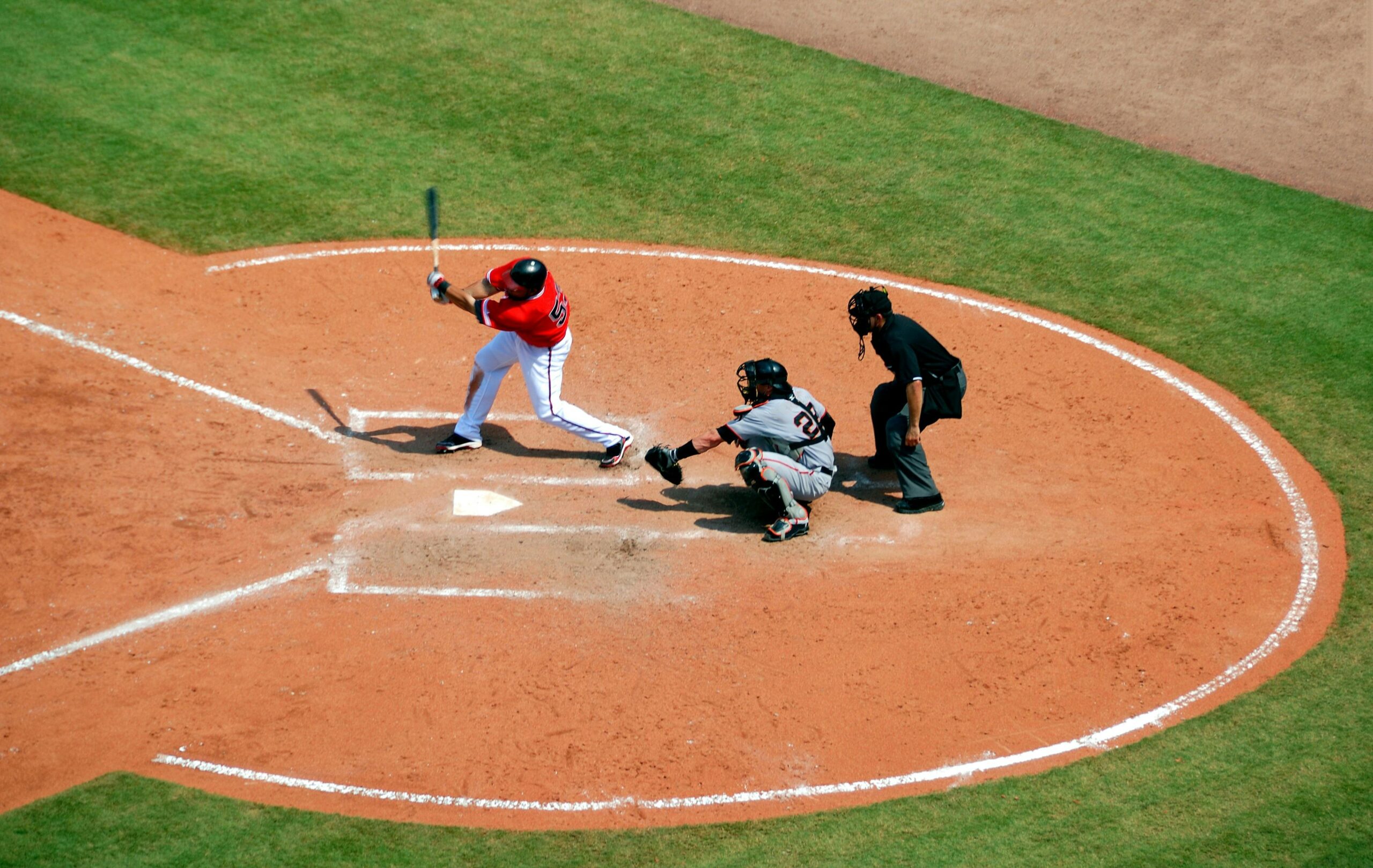
AU coaches have spent over 15 years evaluating talent on baseball diamonds across the country. When parents and athletes ask about private versus team baseball training and which develops players faster, the answer comes down to the quality of the repetitions. Team practice is absolutely essential for learning cut-off plays, bunt coverages, and situational baserunning. However, hitting a baseball and pitching a strike are highly technical, individual actions.
Many athletes hit a developmental wall because they rely entirely on team practices to improve their specific mechanics. A team coach managing 15 players simply cannot dedicate forty minutes to fixing one player’s launch angle or tweaking a pitcher’s release point. Team training provides the volume of repetitions, but private training ensures those repetitions are mechanically correct. Combining the two is the ultimate formula, but for rapid individual development, one-on-one instruction is unmatched.
Why Individual Skill Matters for Baseball Development
Baseball is unique because it is a series of isolated, one-on-one matchups masquerading as a team sport. When a batter steps into the box, no teammate can help them recognize a curveball or keep their hands inside a fastball. Developing elite individual skills—like a compact swing path, clean fielding footwork, and a repeatable pitching delivery—translates directly to dominating those isolated matchups.
When a baseball player refines their mechanics in a private setting, their confidence in a team setting skyrockets. They stop guessing at the plate and start trusting their muscle memory. In-game performance improves because the athlete is not trying to actively think about their elbow placement while a 75-mile-per-hour fastball is flying at them. For long-term development, building proper mechanics privately prevents the dangerous throwing habits that lead to elbow and shoulder injuries during the long, grinding team seasons.
Best Drills to Bridge the Gap Between Solo and Team Training
To develop faster than the competition, athletes must spend time outside of team practice mastering their body movements. A top-tier AU coach will implement highly focused drills that isolate specific mechanical phases. Here are foundational drills used to build elite baseball players:
- The Stop at Contact Drill (Swing Path)
- How to perform: The batter takes a normal swing off a batting tee but physically stops the bat the exact millisecond the barrel makes contact with the baseball, freezing in that position.
- Why it works: It provides instant feedback on the bat path and body posture at the most critical moment of the swing. It prevents the hitter from rolling their wrists over prematurely.
- Coaching tip: The palm of the top hand should be facing the sky at the point of contact.
- Common mistake: Slicing across the ball and finishing with the bat head pointing toward the opposite dugout instead of straight up the middle.
- The One-Knee Throwing Drill (Arm Action)
- How to perform: The athlete kneels on their throwing-arm knee with their glove-side knee up. They isolate their upper body, rotating their shoulders back and throwing to a partner using only their torso rotation and arm action.
- Why it works: Throwing errors in team practices usually stem from poor lower-body footwork or a long arm action. Taking the legs out of the equation forces the athlete to focus entirely on proper arm slot and follow-through.
- Coaching tip: The chest must actively aggressively fold over the front knee after the ball is released.
- Common mistake: Throwing strictly with the arm and completely failing to rotate the torso.
- The Wall Drill (Pitching Stride and Direction)
- How to perform: The pitcher stands on the mound with a chain-link fence or wall just a few inches behind their heels. They go through their full windup and stride toward home plate without letting their backside scrape the wall.
- Why it works: Pitchers who struggle with control usually swing their front leg open in a wide arc. The wall acts as a physical barrier, forcing a direct, linear stride straight toward the catcher.
- Coaching tip: Keep the front shoulder closed and pointing at the target as long as possible.
- Common mistake: Sweeping the lead leg outward, which causes the hips to open too early and kills velocity.
- The Short Hop Box Drill (Glove Work)
- How to perform: Two players stand just ten feet apart and intentionally throw short, difficult hops to each other. The fielder must use soft hands to pick the ball cleanly off the turf before it bounces up to their chest.
- Why it works: Team infield practice rarely provides enough repetitions of difficult hops. This rapid-fire drill builds elite hand-eye coordination and teaches fielders to attack the baseball rather than waiting for it to play them.
- Coaching tip: Field the ball out in front of the body, pushing the glove through the baseball.
- Common mistake: Pulling the glove backward toward the body as the ball arrives, which guarantees a bobble.
Connect with a Private Baseball Coach: https://athletesuntapped.com/browse/baseball/
Common Mistakes Athletes Make
Even athletes who attend every single team practice will plateau if they reinforce bad habits. A great AU coach will identify and fix these common developmental traps:
- Taking Empty Swings: At team batting practice, players often try to hit home runs to impress their teammates. Swinging at 110 percent effort with terrible mechanics creates bad muscle memory. Every swing in practice must have a specific, mechanical purpose.
- Hiding in the Back of the Line: In a team setting with one coach hitting ground balls to ten infielders, a player might only get five ground balls in twenty minutes. Waiting passively slows down development. Athletes must seek out extra repetitions on their own time.
- Changing Mechanics Mid-Game: Many players strike out and immediately try to change their stance or grip before their next at-bat. Games are for competing, not for making major mechanical overhauls. Mechanics must be built in the cage so the athlete can just react on the field.
- Ignoring the Batting Tee: Young players often think they are too advanced for the tee. Professional baseball players hit off a tee every single day. If an athlete cannot hit a stationary ball perfectly, they will never hit a moving one consistently.
How Private Coaching Accelerates Improvement
Team coaches have to focus on winning the next game, which means their priority is team strategy, not individual perfection. A team coach cannot pause a live scrimmage to fix the launch angle of the number seven hitter. This is exactly where private baseball training develops players faster.
In a one-on-one setting, an AU coach can utilize high-speed video analysis to show the athlete exactly where their mechanics break down. If a hitter is constantly late on fastballs, an AU coach can instantly identify a slow load phase and correct it on the very next swing. This hyper-focused environment builds immense confidence, corrects mechanical flaws before they turn into permanent habits, and gives the baseball player a customized blueprint to become a dominant force when they return to their team.
Frequently Asked Questions About Baseball Training
Which is Better: Private Lessons or Travel Baseball?
They serve completely different purposes and work best together. Travel baseball provides high-level live competition and situational experience. Private lessons provide the mechanical foundation required to actually succeed against that high-level travel competition. You need private training to build the swing, and travel baseball to test it.
How Often Should Baseball Players Take Private Lessons?
To see rapid improvement without risking burnout, AU coaches recommend one focused private session per week. This allows the athlete enough time to go to their team practices or the batting cage to drill the specific mechanical adjustments independently before the next lesson.
Do Private Coaches Replace Team Practices?
No. Private coaches build the individual athlete; team coaches build the baseball team. A player still needs to attend team practices to learn defensive coverages, pick-off plays, and team chemistry. Private coaching is a supplemental accelerator, not a replacement.
What Age Should Players Start Private Baseball Training?
Athletes can start basic tee work and throwing mechanics as early as 7 or 8 years old to build a fun, foundational understanding of the game. However, ages 10 to 12 are the sweet spot for specialized private lessons, as players transition to kid-pitch and larger field dimensions where mechanics matter significantly more.
Can Private Coaching Help a Player Make the Varsity Team?
Yes. High school varsity coaches are looking for reliable mechanics and consistency. A private AU coach will clean up a player’s swing, sharpen their defensive footwork, and build the mental toughness required to perform well under the pressure of a varsity tryout.
Find a Private Baseball Coach: https://athletesuntapped.com/browse/baseball/
Conclusion
Developing faster than the competition requires stepping away from the crowd and committing to a proven, individualized process. Baseball players need an instructor who will break down their swing path, correct their pitching sequence, and build their mechanics from the ground up without the distractions of a team practice. When athletes prioritize balance, timing, and proper technique in a private setting, they return to their teams with a massive competitive advantage. Trust your mechanics, put in the focused repetitions, and dominate your matchups.
About Athletes Untapped
Athletes Untapped connects athletes of all sports with experienced private coaches who specialize in mental performance, sports psychology concepts, and competitive mindset training. Through personalized instruction and structured training plans, AU coaches help athletes eliminate performance anxiety, master their internal dialogue, and completely dictate their emotional response to adversity.
Find an experienced coach near you: https://athletesuntapped.com
Learn from our very best AU coaches!


