
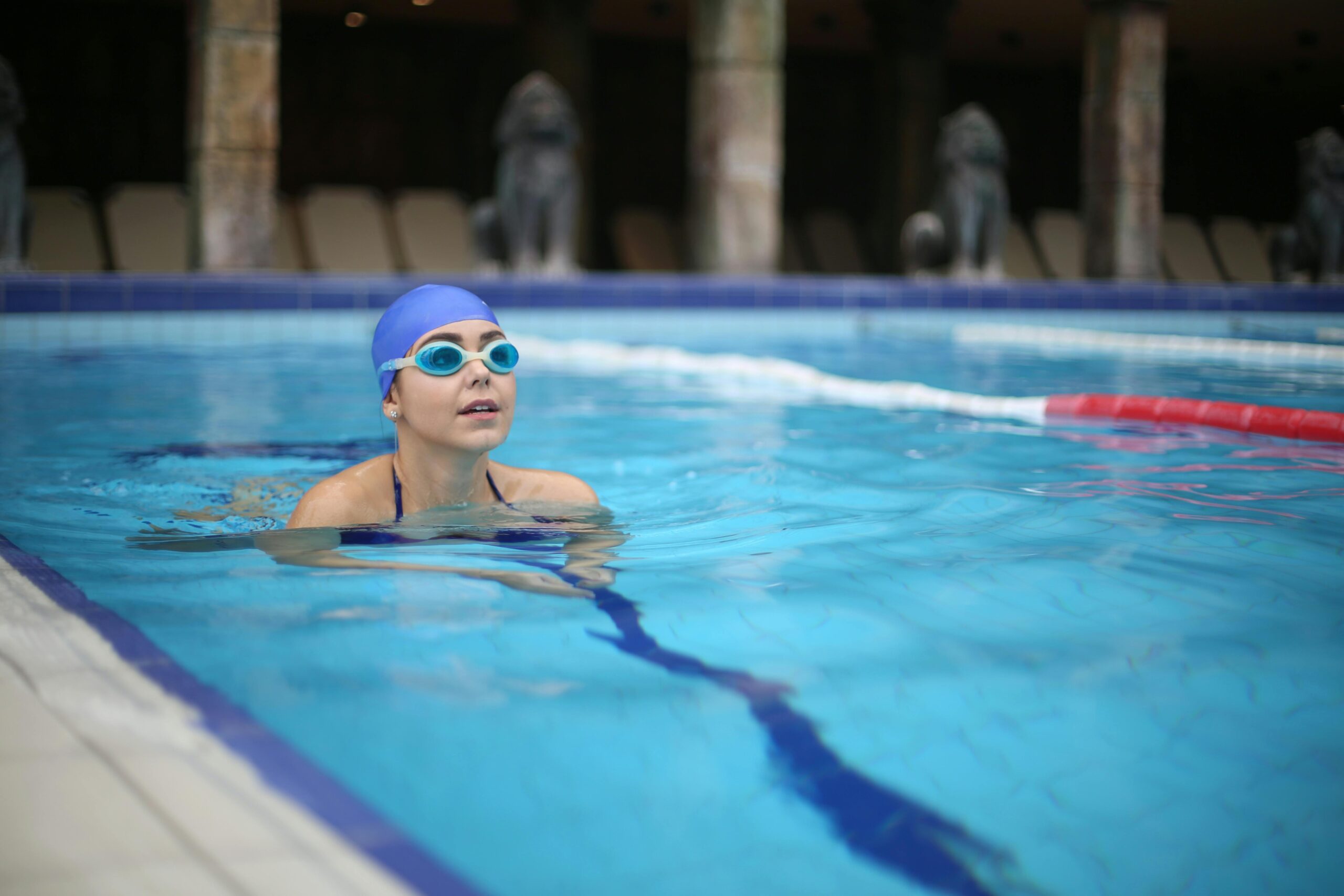
AU coaches have spent over 15 years on the pool deck, transforming athletes from casual lap swimmers into elite competitors. When parents and athletes start searching for a swimming coach near them, they often realize the local pool offers plenty of basic water safety classes but very few high-level technical instructors. There is a massive difference between someone who can teach a child not to drown and a coach who can shave two seconds off a 50-meter freestyle sprint.
Many swimmers hit a wall in their times because they are simply swimming garbage yardage. Doing thousands of yards with a dropped elbow or sinking hips only reinforces bad habits. Proper, individualized instruction is the only way to identify drag and build propulsion. Knowing how to choose the right instructor is the first step toward swimming faster with less effort.
Why Elite Instruction Matters for Swimmer Development
Water is an unforgiving environment. It is nearly 800 times denser than air, meaning any mechanical flaw acts like a parachute. Developing elite individual skills—such as a high horizontal body position, early vertical forearm, and seamless rotational breathing—translates directly to massive time drops.
When a swimmer learns how to grip the water instead of slipping through it, their entire relationship with the sport changes. In-competition performance improves because they cover more distance per stroke. For long-term development, the right instructor prevents chronic issues like swimmer’s shoulder. A great coach ensures the athlete uses their lats and core to pull water, rather than grinding down their rotator cuff with poor mechanics.
Foundational Mechanics a Top-Tier Swim Coach Must Teach
When evaluating a potential swimming instructor, pay close attention to what they emphasize. A high-level AU coach will focus on drag reduction and water feel before they ever ask an athlete to sprint. Here are the core concepts and drills a great coach will implement:
- Sculling Progressions (Water Feel)
- How to perform: The swimmer relies purely on small, rapid hand and forearm sweeps—resembling a figure-eight motion—to move through the water without using a full stroke or kick.
- Why it works: It develops an elite feel for the water, teaching the athlete how to find resistance and hold onto it.
- Coaching tip: Keep the elbows high and still, using only the forearms and hands to generate movement.
- Common mistake: Sweeping the hands too wide and losing pressure on the water.
- Snorkel Freestyle (Body Alignment)
- How to perform: The swimmer uses a center-mount snorkel to swim normal freestyle without ever turning their head to breathe.
- Why it works: The breathing motion is the number one cause of alignment issues. Taking the breath away allows the swimmer to focus entirely on keeping their head locked in a neutral, downward-facing position.
- Coaching tip: Keep the water line perfectly steady at the top of the forehead.
- Common mistake: Still rotating the head out of habit even when using the snorkel.
- The Catch-Up Drill (Stroke Timing)
- How to perform: The swimmer keeps one arm fully extended in front of them while the other arm completes a full stroke cycle. The moving arm must tap the stationary hand before the next stroke begins.
- Why it works: It forces the swimmer to maintain a long, streamlined body position and maximizes distance per stroke.
- Coaching tip: Keep the lead hand just below the surface of the water, not pointing up at the sky.
- Common mistake: Pushing down on the water with the lead hand to lift the head for a breath.
- Vertical Kicking (Core and Leg Power)
- How to perform: The swimmer treads water in the deep end using only a flutter kick or dolphin kick, keeping their hands crossed over their chest.
- Why it works: It builds tremendous leg strength and forces the swimmer to kick from the hips rather than the knees.
- Coaching tip: Keep the core tight and the body perfectly straight.
- Common mistake: Bending the knees too much, resembling a bicycle pedaling motion.
Connect with a Private Swimming Coach: https://athletesuntapped.com/browse/swimming/
Common Mistakes Athletes Make
Even the hardest workers will plateau if their coach lets bad habits slide. An elite AU coach will immediately identify and fix these common mistakes:
- Dropped Elbows During the Pull: If the elbow drops below the wrist during the catch phase, the swimmer is pushing water down instead of pulling it back. This kills propulsion and strains the shoulder.
- Looking Forward Instead of Down: Lifting the head to look at the wall causes the hips and legs to sink, creating a massive wall of drag. The eyes must look straight down at the black line.
- Breathing Too Late: Waiting until the arm is already recovering over the water to take a breath disrupts the stroke rhythm and throws the body off balance. The breath must happen seamlessly as the pulling arm pushes past the hip.
- The Scissor Kick: When a swimmer struggles with balance, their legs splay apart to stabilize them. This halts all forward momentum. The kick must be a tight, continuous, and narrow flutter.
How Private Coaching Accelerates Improvement
Club swim teams are fantastic for building endurance and learning how to race under pressure, but they are not designed for granular stroke correction. A club coach managing thirty kids across six lanes simply cannot see exactly what an athlete’s hands are doing underwater. This is where a private swimming coach changes everything.
In a one-on-one setting, an AU coach can stand directly above the swimmer or use underwater cameras to provide instant, frame-by-frame corrections. If an athlete is crossing their hand over their centerline, a private coach can physically guide their arm into the correct entry point. This hyper-focused environment builds confidence, fixes alignment issues instantly, and guarantees the swimmer learns to move through the water with maximum speed and minimum effort.
Find a Private Swimming Coach: https://athletesuntapped.com/browse/swimming/
Frequently Asked Questions About Swimming Coaches
What Should I Look For in a Private Swimming Coach?
Look for a coach who prioritizes technique and body position over simply swimming high-yardage sets. They should be able to clearly explain the biomechanics of the catch and pull, have competitive swimming experience, and understand how to communicate complex stroke adjustments simply.
Do Private Swim Coaches Get in the Water With Athletes?
This depends on the athlete’s age and skill level. For beginners or younger swimmers, coaches often get in the water to provide physical manipulation of the stroke. For advanced competitive swimmers, coaches generally stay on the deck to get a better vantage point of the entire stroke cycle and pacing.
How Much Do Private Swimming Lessons Cost?
Rates vary widely based on location, facility fees, and the coach’s competitive background. You can generally expect to pay anywhere from $50 to $120 per hour. Paying for a coach who understands advanced hydrodynamics is a crucial investment for competitive athletes.
What Age Should a Competitive Swimmer Start Private Lessons?
While kids can learn basic water safety as toddlers, the sweet spot for specialized stroke mechanics is usually around 8 to 10 years old. This is when swimmers are old enough to understand complex feedback and implement it before bad habits become muscle memory.
How Often Should a Swimmer Train With a Private Coach?
During the club or high school season, one private technique-focused session per week or every other week is ideal to tune up mechanics without causing fatigue. During the offseason, athletes can safely increase to two sessions per week to overhaul their strokes.
Conclusion
Finding the right swimming coach is the absolute fastest way to drop time and swim effortlessly. Swimmers need an instructor who will break down their stroke mechanics, correct their body position, and build their technical foundation from the ground up. When athletes prioritize high-elbow catches, tight streamlines, and smart breathing over mindless laps, they will glide through the water with ease. Put in the focused work, trust your technique, and dominate the pool.
About Athletes Untapped
Athletes Untapped connects athletes of all sports with experienced private coaches who specialize in mental performance, sports psychology concepts, and competitive mindset training. Through personalized instruction and structured training plans, AU coaches help athletes eliminate performance anxiety, master their internal dialogue, and completely dictate their emotional response to adversity.
Find an experienced coach near you: https://athletesuntapped.com
Learn from our very best AU coaches!


