
In strength and conditioning, moving a massive amount of weight on a barbell is an impressive feat, but absolute strength does not automatically translate to athletic speed. You can deadlift 500 pounds, but if it takes you five seconds to generate that force, you will be beaten to the ball by a weaker, faster athlete every single time.
At Athletes Untapped, AU coaches notice that many young athletes train for power using the exact same methods they use for endurance or bodybuilding. Building stamina for a long trail run or a marathon requires a slow, steady cadence that recruits slow-twitch muscle fibers. Explosive power is the exact opposite. It requires the central nervous system to recruit massive amounts of fast-twitch muscle fibers in a fraction of a second. This lack of structural understanding leads to athletes doing high-repetition jumps until they are exhausted, ultimately training their bodies to be slow and fatigued rather than fast and explosive.
The secret to jumping higher, sprinting faster, and dominating physical contact lies in explosive power output. Proper training fixes these central nervous system issues, allowing athletes to maximize their rate of force development, convert their weight-room strength into functional speed, and execute violent, athletic movements with minimal effort.
Connect with a Strength and Speed Coach: https://athletesuntapped.com/browse/strength-and-speed/
Why This Skill Matters for Athlete Development
Your explosive power dictates your ability to dictate the physical terms of a game. Without a high rate of force development, your raw strength is trapped inside your body, completely useless on the field or court.
- Game Performance: Elite power output directly translates to winning the first step. Whether you are driving out of the starting blocks, jumping for a rebound, or exploding out of a defensive stance, the athlete who applies the most force into the ground in the shortest amount of time wins the interaction. Power turns raw strength into a weapon.
- Confidence: AU coaches have seen athletes improve faster when they spend dedicated time on low-volume, high-velocity movements at the start of their lifting sessions. When moving fast becomes the primary goal, athletes stop feeling heavy and sluggish. They gain the composure to trust their explosiveness, attack their movements violently, and step onto the field knowing nobody can match their initial burst.
- Long-Term Development: As you progress to higher levels of competition, the physical windows of opportunity close in milliseconds. A biomechanically sound power development program protects your joints by teaching your muscles to absorb and produce force rapidly. It provides the neurological efficiency needed to make your training sessions shorter and more impactful, ensuring you get maximum athletic carryover without spending hours burning out your muscles in the gym.
Best Drills / Tips / Techniques
You cannot master explosive power by simply lifting heavier weights at a slow speed. You need isolated, highly intentioned movements that demand maximum velocity. Here are 5 techniques AU coaches use to build terrifyingly explosive athletes.
1. The Medicine Ball Broad Toss (Triple Extension)
How to perform it: Hold a moderately heavy medicine ball (10 to 15 pounds) at your chest. Drop into a quarter-squat, and then violently explode forward, jumping as far as you can horizontally while simultaneously pushing the medicine ball forward as hard as possible.
Why it works: Explosive athletic movements require the simultaneous extension of the ankles, knees, and hips (triple extension). This drill perfectly mimics the kinetic chain of a sprint or a tackle. It teaches the body to synchronize the lower and upper body to produce one massive, singular burst of horizontal force.
Coaching tips: Do not worry about how far the ball goes; worry about how far your body travels. The goal is maximum distance on the broad jump.
Common mistakes: Throwing the ball with the arms before the legs fully extend. The power must travel from the ground, up through the core, and finally out through the arms.
2. Trap Bar Jumps (Loaded Power)
How to perform it: Load a trap bar (hex bar) with roughly 20 to 30 percent of your one-rep max deadlift. Stand inside the bar, grip the handles, drop your hips, and jump straight up into the air as high as possible while holding the weight. Land softly, reset completely, and repeat.
Why it works: Moving your body weight quickly is great, but moving external resistance quickly builds true power. This drill forces the nervous system to fire harder to overcome the added mass, significantly increasing your rate of force development and translating directly to a higher vertical leap.
Coaching tips: Perform sets of only 3 to 5 repetitions. Power training is about maximum velocity, not muscle fatigue.
Common mistakes: Landing with stiff knees. You must absorb the landing by dropping back into an athletic squat position to protect your lower back and joints.
3. Contrast Training (Heavy to Light)
How to perform it: Perform a heavy, absolute strength exercise followed immediately by a light, explosive biomechanical equivalent. For example, perform a heavy back squat for 3 repetitions, rack the weight, and immediately perform 3 unweighted, maximum-effort vertical jumps.
Why it works: This utilizes a neurological phenomenon called post-activation potentiation (PAP). The heavy lift essentially “tricks” the nervous system into recruiting every available fast-twitch muscle fiber. When you drop the heavy weight and perform the jump, those extra fibers are still firing, allowing you to jump significantly higher and faster than normal.
Coaching tips: Take a 15-second rest between the heavy lift and the explosive jump. The nervous system needs a brief moment to clear fatigue while maintaining the heightened activation.
Common mistakes: Using exercises that do not match. The heavy lift and the explosive movement must follow the exact same biomechanical path for the PAP effect to work.
4. The Depth Drop to Sprint (Reactive Ability)
How to perform it: Stand on a 12-inch plyometric box. Step off the box (do not jump up). The exact millisecond the balls of your feet touch the ground, instantly drop your hips and explode into a 10-yard forward sprint.
Why it works: Sports are rarely played from a static, dead stop. This drill trains reactive power. The drop from the box loads the tendons and muscles with eccentric force, and the immediate sprint teaches the body how to rapidly switch from absorbing force to producing maximum forward acceleration.
Coaching tips: Ground contact time is everything. Pretend the floor is made of hot coals; get your feet off the ground and driving forward instantly.
Common mistakes: Sinking into a deep squat upon landing. If your hips drop too low, you lose all the stored elastic energy and completely kill your momentum.
5. Intentional Velocity Squats
How to perform it: Load a barbell with 50 to 60 percent of your maximum squat weight. Lower the bar down to parallel at a normal, controlled speed. Once you hit the bottom, explode upward with 100 percent maximum intent, trying to accelerate the bar so fast that it practically rattles on your shoulders at the top.
Why it works: You do not always need to leave the ground to build power. Force equals mass times acceleration. By intentionally accelerating a sub-maximal weight as violently as possible, you train the nervous system to fire faster without the extreme central fatigue of lifting your absolute max.
Coaching tips: Every single repetition must be treated like you are trying to lift 1,000 pounds. The physical intent to move fast is what forces the fast-twitch fibers to adapt.
Common mistakes: Lifting the weight casually because it feels light. If you stand up slowly with a light weight, you are just building endurance, not power.
Common Mistakes Athletes Make
Power output errors are incredibly common in youth strength and conditioning, usually resulting in athletes looking strong in the gym but slow and heavy on the field.
Treating Power Like Cardio: Doing sets of 15 to 20 box jumps to get a sweat going. Power requires the central nervous system to be completely fresh. By rep five, your fast-twitch fibers are fatigued, and you are just training slow, sloppy mechanics that lead to shin splints.
How to fix it: Keep power repetitions between 1 and 5 per set. Rest for at least 2 to 3 minutes between sets. If you are breathing heavily, you are not resting long enough.
Chasing the Box Height: Dragging a 40-inch box out and having to pull your knees to your chin just to land on top of it. This does not actually increase your vertical leap; it just measures your hip flexibility and drastically increases the risk of a blown-out knee if you miss.
How to fix it: Use a lower box (18 to 24 inches) and focus entirely on how much force you put into the ground to elevate your center of mass. A soft, tall landing on a low box is better than a terrifying, crashed landing on a high box.
Ignoring the Eccentric Phase: Focusing entirely on the jump or the sprint, but completely ignoring how the body lands or decelerates.
How to fix it: The brakes must be as strong as the engine. You must train your body to land softly and absorb force efficiently before you ask it to produce massive amounts of power, or your joints will eventually fail.
Find a Strength and Speed Coach: https://athletesuntapped.com/browse/strength-and-speed/
How Private Coaching Accelerates Improvement
Explosive power happens in a fraction of a second. Trying to self-diagnose whether your ground contact time was too long during a depth drop, or if your hips extended fully during a medicine ball toss, is practically impossible without high-speed video and a trained professional.
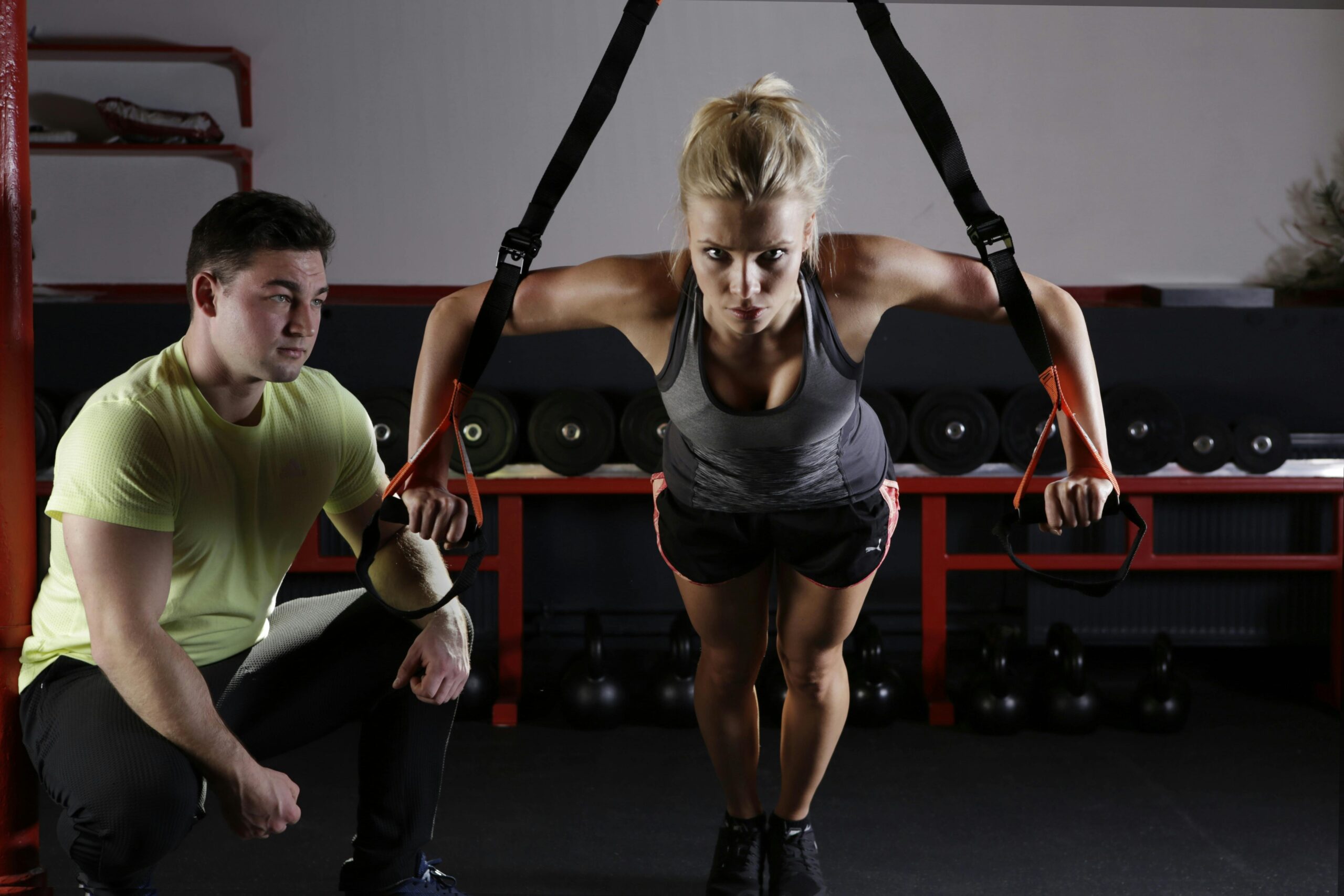
This is where private coaching is essential. Private coaching provides faster physical development by utilizing expert eyes, proper load management, and structured periodization. A private strength and speed coach offers personalized feedback tailored to your specific sport, making it easy to catch habits like throwing with the arms instead of the hips immediately. This targeted instruction allows athletes to focus on correcting biomechanical flaws safely before they result in central nervous system burnout. Ultimately, mastering your power output in a 1-on-1 environment provides massive confidence building, allowing you to step into competition knowing you possess an explosive gear that nobody else can match.
Frequently Asked Questions about Explosive Power Training
How many days a week should I train for explosive power?
True, high-intensity power training should only be done 2 to 3 times a week. The central nervous system takes significantly longer to recover from maximum-velocity movements than the muscles do from standard weightlifting.
What is the difference between strength and power?
Strength is the absolute maximum amount of weight you can move, regardless of how long it takes. Power is how fast you can move a specific amount of weight. A bulldozer has strength; a sports car has power. Athletes need both.
Why do I feel slower after lifting heavy weights?
Heavy lifting causes neurological fatigue and muscle damage. If you do not incorporate low-load, high-velocity movements (like sprinting and jumping) into your routine alongside the heavy lifting, your nervous system essentially “forgets” how to fire quickly.
Should I do my power exercises before or after my heavy lifts?
Always perform explosive power exercises at the very beginning of your workout, immediately after your warm-up, when your central nervous system is 100 percent fresh. Doing plyometrics at the end of a heavy leg day is a recipe for injury.
Do private coaches help with this?
Absolutely. Private strength and speed coaches are essential for breaking down the biomechanics of triple extension, calculating your exact load percentages for contrast training, and isolating specific force-production flaws so you can become a vastly more explosive athlete.
Conclusion
Maximizing your explosive power output is the undeniable foundation of a fast, dominant, and game-changing athlete. Without it, you are leaving your raw strength locked inside the weight room and playing directly into the hands of athletes who can recruit their muscles faster than you can. Improvement is highly achievable with proper training, but it requires extreme discipline, low repetition counts, and the mental intent to move violently. Encourage yourself to focus on your rate of force development and your triple extension before you focus on simply adding plates to the bar, and consistent practice will inevitably yield a terrifying first step and effortless athleticism.
Train With a Private Strength and Speed Coach
- Athletes Untapped connects athletes with vetted private coaches across the country for one-on-one training.
- Private coaching helps athletes:
- improve faster
- build confidence
- receive personalized feedback
- reach their full potential
About Athletes Untapped
Athletes Untapped connects athletes with experienced private coaches who specialize in explosive power output, triple extension mechanics, and functional speed development. Through personalized instruction and structured training plans, AU coaches help athletes from all sports convert their weight-room strength into on-field dominance.
Find an experienced coach near you: https://athletesuntapped.com
Learn from our very best AU coaches!


