
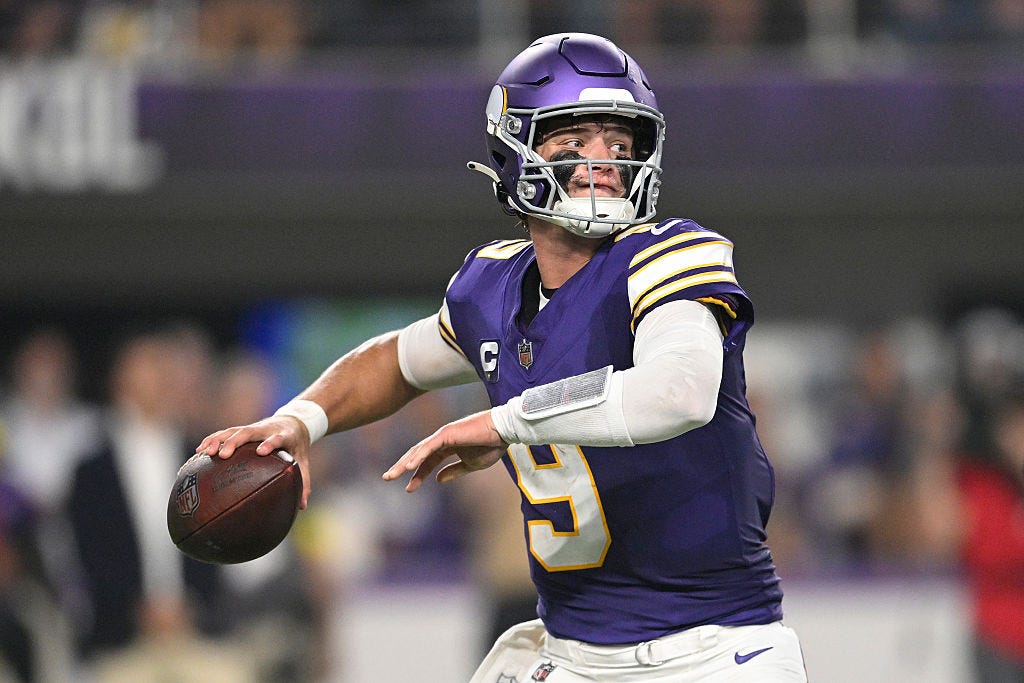
Why Quarterback Mechanics Are Crucial for Youth Players
The quarterback is the leader and decision-maker of the offense. Every play begins in their hands, and their ability to execute properly determines the rhythm and success of the team. For youth players, mastering quarterback mechanics early is essential for building accuracy, improving arm strength, and reducing injury risk. Proper fundamentals create consistency, confidence, and composure under pressure.
Young quarterbacks who focus on technique rather than just throwing hard develop long-term success. Sound mechanics not only improve performance but also protect the shoulder and elbow from unnecessary strain. Establishing strong habits early ensures steady growth as competition increases.
Stance and Footwork
A balanced stance is the foundation of strong quarterback play. Proper foot placement allows players to react quickly, maintain balance, and generate power through the lower body. Youth quarterbacks should keep their feet shoulder-width apart with knees slightly bent, ready to move in any direction.
Footwork plays a major role in timing and accuracy. Practicing dropbacks—three-step, five-step, and shotgun sets—develops rhythm and efficiency. Quick, controlled steps help quarterbacks stay on schedule and deliver the ball on time. Agility ladder drills and cone drills further improve balance and mobility in the pocket.
Grip and Throwing Mechanics
Correct grip on the football maximizes control and spin. Quarterbacks should place their fingers comfortably across the laces, ensuring a firm but relaxed hold. A proper grip promotes tighter spirals and improved accuracy.
Throwing mechanics involve full-body coordination. Power begins in the legs, transfers through the hips and core, and finishes with a smooth arm motion. Maintaining a compact release and following through toward the target improves consistency. Emphasizing mechanics over raw arm strength reduces unnecessary strain and enhances long-term development.
Throwing Progressions and Arm Strength
Arm strength should be built gradually and safely. Controlled repetitions at manageable distances allow muscles and tendons to adapt over time. Increasing throwing distance progressively improves velocity and endurance without overloading the arm.
Quarterbacks benefit from structured throwing programs that balance intensity with recovery. Resistance bands, light strength training, and proper warm-ups contribute to healthy arm development. Incorporating arm care routines—such as stretching and mobility exercises—prevents overuse injuries and supports sustainable progress.
Reading Defenses and Decision-Making
Physical ability alone does not make an effective quarterback. Reading defenses and making quick decisions are equally critical. Youth players must learn to identify defensive coverages, anticipate pressure, and recognize open receivers.
Decision-making drills simulate real-game scenarios, forcing quarterbacks to scan the field and select the best option under time constraints. Practicing recognition of blitzes and zone coverage builds awareness and improves reaction speed. Intelligent decisions lead to high-percentage throws and fewer turnovers.
Timing and Accuracy Drills
Timing between quarterback and receiver is essential for offensive success. Practicing route combinations repeatedly builds chemistry and trust. Quarterbacks must release the ball before receivers make their break, anticipating movement rather than reacting late.
Target-based drills improve precision. Setting up stationary and moving targets challenges quarterbacks to deliver consistent, accurate throws. Repetition strengthens muscle memory and builds confidence in competitive situations.
Quick Release and Pocket Awareness
A quick release minimizes sacks and keeps drives alive. Youth quarterbacks should focus on compact arm motion and decisive footwork to avoid holding the ball too long.
Pocket awareness is equally important. Quarterbacks must sense pressure without dropping their eyes from downfield targets. Drills that simulate collapsing pockets or moving defenders encourage players to step up, slide laterally, or escape safely while maintaining throwing posture. Developing these instincts increases composure and execution under pressure.
Progression Through Route Trees
Understanding route trees enhances quarterback development. Youth players should learn common routes—such as slants, outs, curls, and posts—and practice delivering the ball with proper timing.
Progression drills teach quarterbacks to move through multiple reads instead of locking onto one receiver. This habit builds patience and awareness. By mastering route timing and progression reads, quarterbacks improve anticipation and overall offensive efficiency.
Handling Pressure Situations
High-pressure moments test a quarterback’s mental toughness. Blitzes, tight coverage, and late-game scenarios demand focus and composure. Youth quarterbacks who practice visualization and breathing techniques manage stress more effectively. Watch this video to learn how to be a more confident and dominant football player!
Simulating pressure in practice—through timed drills or defensive pressure scenarios—prepares players for real competition. Calm execution during intense moments separates strong leaders from inconsistent performers.
Common Mistakes to Avoid
Common errors among youth quarterbacks include rushing throws, relying solely on arm strength, or ignoring defensive coverage patterns. These habits reduce accuracy and increase turnovers.
Coaches should emphasize fundamentals and correct mechanical flaws early. Structured repetition ensures that proper technique becomes automatic. Avoiding shortcuts in development lays the groundwork for consistent, reliable performance.
Translating Drills to Game Performance
For quarterback mechanics to be effective, they must transfer to live-game conditions. Scrimmages and situational drills replicate the speed and unpredictability of competition.
Practicing decision-making, footwork, and accuracy in realistic settings builds confidence. The more frequently quarterbacks apply skills under competitive pressure, the more instinctive their performance becomes. Consistent repetition bridges the gap between practice and game day.
Athletes Untapped: Private Football Quarterback Coaching
Athletes Untapped connects youth quarterbacks with private coaches specializing in mechanics, passing accuracy, and game intelligence. Personalized training focuses on improving arm strength, timing, footwork, and defensive recognition.
Through one-on-one instruction and structured development plans, young quarterbacks gain confidence and control. Focused coaching ensures steady progress, helping athletes perform consistently and lead effectively in competitive games.
Find an experienced coach near you: https://athletesuntapped.com
Learn from our very best Coach Lucas and Coach Ronald.


