
Why Bunting and Situational Hitting Are Important in Softball
In youth softball, offensive success is not only about home runs or extra-base hits. Bunting and situational hitting provide teams with scoring opportunities even in low-hit games. Players who master these skills can move runners efficiently, execute sacrifices, and apply pressure on defenses, giving their team a competitive advantage. Developing game awareness alongside technical skill enhances overall offensive impact and helps young athletes think strategically at the plate.
Understanding the purpose of each bunt or situational hit is key. While some plays aim to advance runners safely, others focus on exploiting defensive weaknesses. When youth players recognize the broader objective of each at-bat, they make smarter choices, reduce unnecessary outs, and consistently contribute to team success.
Proper Stance for Bunting
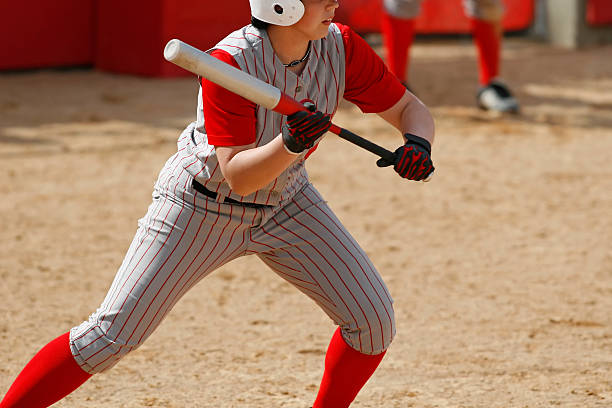
A controlled, balanced stance is essential for successful bunting. Players should adjust their grip, keeping hands loose but steady, to allow for bat control while maintaining the ability to execute a sacrifice or bunt for a base hit.
Feet should be shoulder-width apart with knees slightly bent, allowing for stability and quick reaction to pitch location. Practicing consistent stances develops confidence and ensures predictable bat placement during live at-bats. Stance work also prevents rushed or awkward bunts that can result in pop-ups or missed opportunities.
Bat Angle and Ball Contact
The angle of the bat dramatically affects the trajectory, speed, and placement of the bunted ball. A slight tilt forward can keep the ball low and controlled, reducing the risk of pop-ups. Meanwhile, controlling bat speed ensures the ball moves just enough to reach the intended spot.
Repetition is essential. Drills focusing on proper bat angle and soft, controlled contact develop muscle memory, allowing players to instinctively adjust during game situations. Consistent contact improves execution and confidence in high-pressure scenarios.
Sacrifice Bunts
Sacrifice bunts are a tactical tool to move runners into scoring position while giving up an out. Success depends on timing, placement, and understanding the game context.
Players should practice targeting specific areas on the field, such as a short pop or down the first- or third-base lines. Simulating in-game pressure during drills reinforces proper decision-making. Effective sacrifice bunting helps youth athletes contribute to team success beyond traditional hitting statistics.
Bunting for Base Hits
Bunting can also be used offensively to reach first base, particularly when defensive teams employ aggressive shifts. Quick hands, precise bat control, and awareness of infield positioning increase the likelihood of success. Read this blog to learn more about ball contact with hitting in softball!
Drills that encourage hitting the ball into open spaces help players develop placement skills. Practicing both left- and right-side bunts prepares athletes to adapt to different field alignments and pitcher tendencies, making them versatile offensive threats.
Situational Hitting: Moving Runners and Hitting Behind Them
Situational hitting involves understanding the game context—outs, base runners, score, and field alignment—to execute strategic plays. Hitting behind runners or directing the ball to specific gaps maximizes run production.
Drills designed to replicate live-game scenarios build instinctive decision-making. By practicing situational hitting repeatedly, youth players internalize when and how to adjust their swings for team advantage rather than individual statistics.
Recognizing Defensive Alignments
Awareness of infield and outfield positioning guides strategic hitting. A well-placed bunt or gap shot can exploit open areas, while attempting the same hit against a well-aligned defense may backfire.
Youth players benefit from exercises where they identify defensive patterns and adjust accordingly. Over time, hitters learn to read and respond to defensive shifts, improving the quality of every at-bat.
Reaction Drills for Situational Hitting
Effective situational hitting requires quick reactions to pitch type and location. Drills that simulate live pitching or random pitch sequences reinforce proper timing and bat control.
Players develop the ability to make split-second adjustments, which is essential when responding to off-speed pitches or unexpected deliveries. Faster reactions increase contact consistency and offensive efficiency.
Mental Focus for Strategic Hitting
Success in bunting and situational hitting is as much mental as it is physical. Concentration, patience, and situational awareness allow hitters to make smart decisions under pressure.
Developing pre-at-bat routines and visualizing the intended outcome improve consistency. Mental preparation helps youth players stay calm during high-stakes moments and execute plays with confidence.
Common Mistakes in Bunting and Situational Hitting
Frequent errors include poor bat angle, hesitation, over-swinging, or rushing the bunt. These mistakes reduce effectiveness and may create scoring opportunities for the opposition.
Coaching intervention and structured drills are critical to correcting these habits early. Repetition and guided practice help athletes develop skillful, confident hitters who consistently execute situational strategies.
Translating Drills to Game Scenarios
To be effective, practice must mirror game conditions. Incorporating live pitchers, defensive alignments, and real-game pressure ensures skills transfer to competition.
Drills that simulate base runners, varied counts, and game situations reinforce timing, placement, and decision-making. Youth athletes who train under realistic conditions become instinctive, strategic contributors on the field.
Athletes Untapped: Private Softball Bunting and Situational Hitting Coaching
Athletes Untapped provides private coaching for youth softball players focused on bunting, situational hitting, and strategic offensive play. Personalized sessions develop timing, placement, and game awareness, allowing players to execute tactical plays confidently.
Through targeted drills and individualized feedback, youth athletes enhance their offensive versatility. Improved bunting and situational hitting not only increase scoring opportunities but also elevate overall team performance.
Find an experienced coach near you: https://athletesuntapped.com
Learn from our very best Coach Analise and Coach Bert!


