






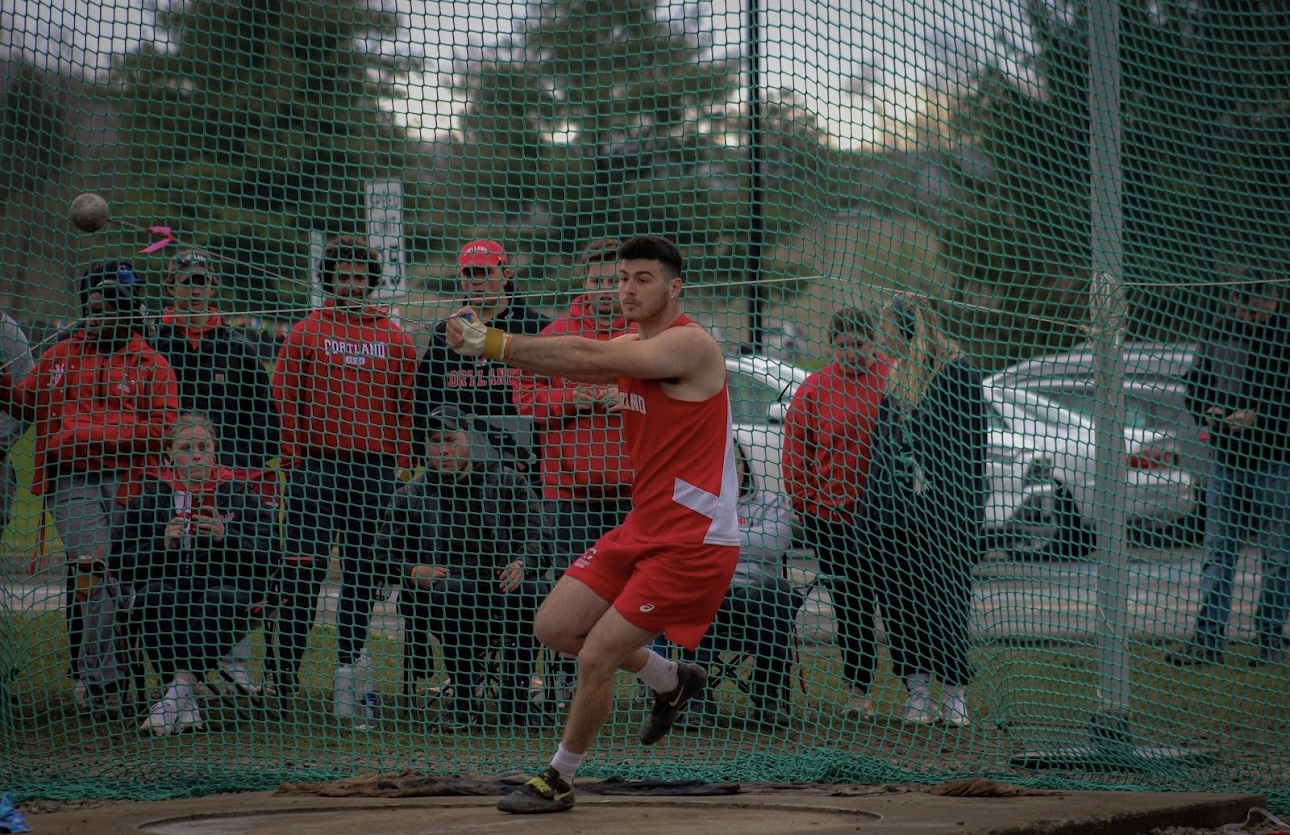










Throwing Mechanics, Stance, and Power Position
Dominating the rotational and glide throwing events in track and field requires mastering kinetic power transfer from the legs up through release. Establish a wide, lower-body power position at the center or front of the ring with your hips loaded and shoulders turned away from the target sector. Drive your back hip forward forcefully while keeping your non-throwing arm extended to create hip-shoulder separation torque. Generating kinetic energy from the ring floor transfers immense power into both the shot put and discus.
Shot Put Mechanics: Glide vs. Spin Technique
Shot put throwers must select between the linear glide technique and the rotational spin technique based on their athleticism and lever profile. The glide relies on an explosive backward drive off the heel across the ring, transitioning smoothly into a low power position release. The spin technique utilizes rotational movement similar to the discus, creating higher centrifugal speed for explosive throwers. Both styles demand keeping the shot tucked tight against the neck until final extension.
Discus Throwing Mechanics, Orbit, and Release
The discus throw requires maintaining a long throwing arm, creating a wide orbit, and executing clean aerodynamic release mechanics. Wind up at the back of the ring, keeping your throwing arm relaxed and extended as far back as possible to maximize lever length. Sweep your lead leg wide across the ring, spinning through the center before planting forcefully in your power stance. Release the discus smoothly off your index finger with flat, spinning rotation to cut through air resistance.
Ring Footwork, Balance, and Reverse Execution
Executing clean throws demands precise ring footwork and balanced reverse execution to prevent foul steps over the toe board. Practice ring balance drills to ensure your pivot movements stay centered over the balls of your feet without slipping off balance. Transfer your lower-body weight fully into the throw before executing a controlled foot reverse to catch your forward momentum. Flawless footwork prevents heartbreaking fouls on record-setting throws.
Throwing Strength, Conditioning, and Explosive Power
Elite throwers require a combination of maximal strength, core rotational power, and fast-twitch explosiveness. Incorporate heavy Olympic lifts—such as cleans, snatches, and heavy squats—alongside rotational medicine ball throws in your weight room training. Build core rotational stability to handle the violent rotational forces created inside the throwing ring. Developing explosive power transforms weight room strength into sector-shattering distance.
Frequently Asked Questions (FAQs)
What is the main advantage of the rotational spin technique over the glide in shot put? The spin technique generates greater rotational speed and momentum across the ring, which can lead to higher release velocity for explosive, agile throwers.
How do you prevent the shot put from slipping away from your neck during the windup? Seal the shot put tightly against your neck beneath your jawline, pressing inward with your fingers and keeping your thumb supporting beneath.
Which finger should the discus last leave upon release? The discus should roll off your index finger last, imparting smooth, flat clockwise spin (for right-handed throwers) that stabilizes its flight through the air.
How do throwers avoid fouling over the front toe board on big throws? Execute a clean, balanced foot reverse—swapping your feet position quickly at the front of the ring—to absorb forward momentum after releasing the implement.
What weight room exercises best build power for shot put and discus throwers? Power cleans, overhead push presses, back squats, and rotational medicine ball slams build the lower-body drive and core rotational power required for throwing.