





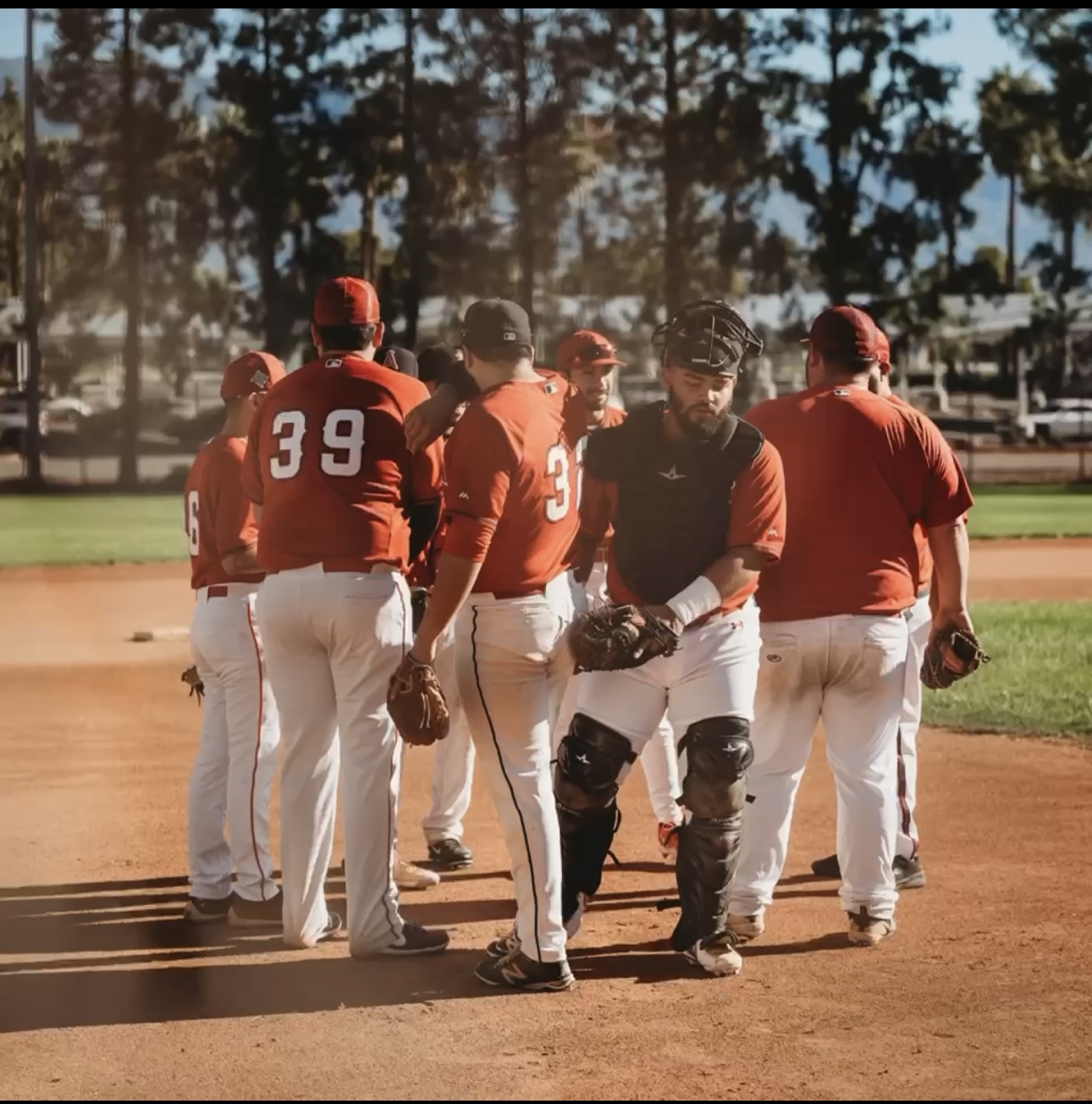











Mastering Catcher Stances and Pitch Framing
The catching position anchors the entire defensive strategy and requires exceptional physical endurance and technical precision. A proper primary stance offers a wide, balanced base that provides a clear target for the pitcher while remaining mobile. Pitch framing requires subtle, soft glove movements that pull borderline pitches into the strike zone without drawing umpire scrutiny. Keeping your receiving elbow flexible allows you to absorb high-velocity fastballs cleanly without excessive glove movement. Mastering these subtle mechanics earns your pitcher valuable strikes throughout the game.
Improving Pop-up Time and Throw-Down Mechanics
Quickly throwing out base runners attempting to steal requires an optimized pop time and explosive footwork. As the pitch arrives, transition smoothly from your receiving stance to your throwing base while stepping directly toward second base. Keep your throwing hand locked securely inside your ear with the ball gripped across the four seams for maximum flight stability. Drive forcefully through your lower body to generate arm strength and deliver a flat, accurate throw to the bag. Refining your pop time puts immediate pressure on opposing base runners.
Blocking Dirt Balls and Plate Protection
Blocking errant pitches in the dirt is one of the most physically demanding yet essential responsibilities for a catcher. When a pitch skips toward the plate, drop your body downward instantly while sealing the gap between your knees and chest. Angle your chest protector slightly downward so that blocked baseballs drop softly in front of the plate rather than ricocheting away. Keep your glove flat on the dirt between your legs to serve as a reliable barrier against balls bouncing through. Effective blocking keeps runners anchored and prevents easy scoring advances.
Game Calling and Pitcher Management Strategies
A great catcher acts as the field general, orchestrating pitch selection and calming pitchers during high-stress situations. Study opponent batting tendencies extensively to anticipate hitter weaknesses and construct an effective game plan with your pitching coach. Read your pitcher’s body language and tempo closely on the mound to know when to call a tactical timeout or offer encouragement. Communicate clearly and confidently behind the plate to build ultimate trust with your pitching staff. Exceptional game management elevates the entire team’s defensive performance.
Mental Resilience and Physical Conditioning for Catchers
Catchers endure immense physical fatigue, making durability and mental toughness critical components of long-term success. Incorporate rigorous lower-body mobility routines and core stabilization exercises into your off-season training regimen to protect your joints. Maintain unwavering concentration across all nine innings, even when managing fatigue during extra-inning games. Embrace the leadership role by inspiring your teammates with vocal energy and relentless defensive hustle. Developing mental resilience ensures you remain a steady pillar of strength for your team.
Frequently Asked Questions (FAQs)
How can a catcher improve their pitch framing skills? Catchers can improve framing by keeping their wrists loose, receiving the ball softly, and subtly presenting pitches on the edges of the strike zone. Avoid jerking your glove, as abrupt movements alert the umpire to a borderline pitch.
What is the secret to achieving a faster pop time? A fast pop time relies on a quick, efficient footwork transfer and getting rid of the ball before your body fully stands upright. Pre-gripping the seams during the catch also eliminates wasted time adjusting the ball in your hand.
How do you properly block a pitch in the dirt without getting hurt? Drop your body straight down, sealing the gap between your legs, and angle your chest protector forward so the ball falls directly underneath you. Tucking your chin and keeping your glove on the dirt protects vulnerable areas from impact.
What should a catcher do when a pitcher is struggling with control? Call a timeout to visit the mound, offer positive reinforcement, and encourage the pitcher to focus on throwing simple, hard strikes. Remind them of their primary mechanics and work together to regain a comfortable rhythm.
Why is endurance so critical for the catching position? Catchers squat hundreds of times per game, block balls, and execute high-intensity throws while wearing heavy gear in hot weather. Maintaining peak physical endurance ensures your mechanics do not break down in the late innings of a game.