Why Route Running Is Essential for Wide Receivers
Wide receivers rely on crisp, disciplined route running to create separation and maximize opportunities in the passing game. At the youth level, developing strong fundamentals early sets the foundation for long-term success. Players who understand timing, spacing, and precision become dependable targets for quarterbacks. Proper route-running technique not only improves catch consistency but also elevates overall offensive production. When receivers consistently win their routes, offenses stay on schedule and defenses are forced to adjust.
Stance and Quick Release
Every great route begins with the stance. A balanced, athletic position allows receivers to explode off the line of scrimmage. Knees should be slightly bent, weight distributed evenly, and eyes focused forward. The first three steps are critical. Practicing an explosive first step and maintaining low pad level helps youth players defeat press coverage and gain early separation.
Quick release drills—such as mirror releases, hand-fighting techniques, and burst acceleration work—build confidence against defenders. The more comfortable a receiver is off the line, the more aggressive and decisive they become during routes.
Route Tree Fundamentals
Understanding the complete route tree is essential for wide receivers. Slants, outs, curls, posts, corners, digs, and go routes each require precise footwork and angles. Youth players must learn not only where to run, but how to run each route with proper depth and timing.
Drills emphasizing sharp breaks, controlled deceleration, and efficient cuts reinforce muscle memory. Receivers should practice planting off the correct foot and driving out of breaks without drifting. Repetition at game speed ensures routes look identical every time, making it easier for quarterbacks to anticipate throws.
Acceleration and Top-End Speed
Speed is a major asset, but controlled speed is even more valuable. Wide receivers must accelerate quickly and maintain top-end speed after breaks. Sprint mechanics training—focusing on arm drive, knee lift, and stride efficiency—improves overall explosiveness.
Strength training for the lower body enhances power during acceleration. When receivers combine sharp route execution with sustained speed, they become big-play threats. Defenders struggle to recover once separation is created, increasing scoring opportunities.
Catching Mechanics and Hand Placement
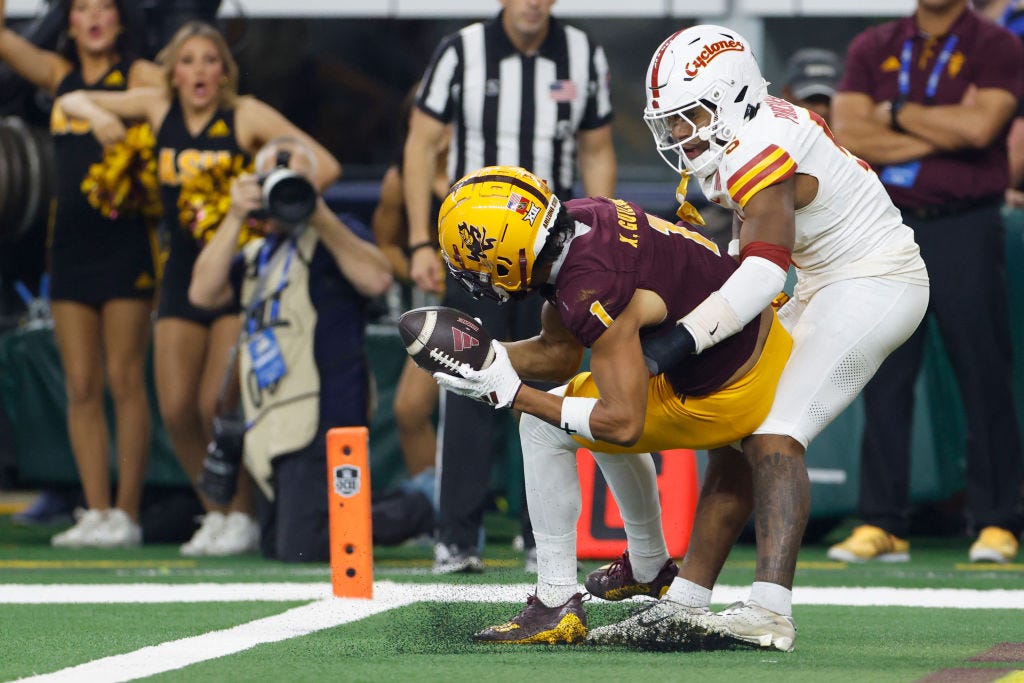
Even the best route is wasted without reliable hands. Youth wide receivers must develop consistent catching mechanics. Hands should form a natural triangle for passes above the waist and pinkies together for low throws. Catching away from the body prevents drops and allows for smoother transitions upfield.
Practicing catches in stride teaches receivers to maintain speed while securing the ball. Drills that simulate high-pressure situations—such as contested catches or sideline toe-tap work—build confidence. Securing the ball through contact is equally important, as defenders often attempt to dislodge it after completion.
Reading Defenders During Routes
Great receivers do more than run predetermined paths—they read coverage in real time. Recognizing man versus zone coverage allows players to adjust spacing and settle into open windows. Youth athletes benefit from drills that incorporate live defenders to simulate real-game scenarios.
Learning to throttle down in soft zones or accelerate past trailing defenders improves overall effectiveness. Film study can also reinforce defensive recognition skills. The more aware a receiver becomes, the more dangerous they are within structured offensive systems.
Body Control and Change of Direction
Elite route running requires excellent body control. Receivers must sink their hips efficiently before breaks and maintain balance through cuts. Agility drills such as cone work, ladder drills, and reactive direction changes sharpen these skills.
Watch this video to learn more about trained athleticism and how to become a more complete athlete to dominate on the field!
Strong body control also improves sideline awareness and contested catch ability. Youth players who practice controlled pivots and sharp transitions reduce wasted movement, allowing them to separate more consistently from defenders.
Timing With Quarterbacks
Chemistry between quarterback and receiver is vital. Timing routes require trust and repetition. The quarterback often releases the ball before the receiver makes their final break. If the route depth or timing is inconsistent, the play breaks down.
Youth players benefit from consistent throwing sessions that focus on rhythm and synchronization. Running routes at full speed during practice builds trust and accuracy. Over time, this connection increases completion percentages and offensive efficiency.
Dealing With Physical Contact
Wide receivers frequently face physical defenders attempting to disrupt routes. Learning how to maintain balance and focus through contact is critical. Drills that simulate hand checks, bumps, and contested catches prepare youth players for competitive environments.
Strength and core stability training also support performance under pressure. Receivers who can absorb contact and still execute precise routes gain a significant advantage.
Common Route Running Mistakes
Young players often round off routes, drift during breaks, or fail to maintain proper depth. These small errors can lead to interceptions or incomplete passes. Overstriding, popping upright too early, and hesitating before cuts also reduce separation.
Coaching feedback and repetition are key to correcting these habits. Emphasizing sharp angles, controlled deceleration, and explosive re-acceleration builds disciplined execution. Consistency transforms average route runners into dependable playmakers.
Translating Drills to Game Scenarios
Practice must mirror game intensity. Running routes against live coverage at full speed ensures proper skill transfer. Simulated two-minute drills, red-zone scenarios, and third-down situations help receivers develop situational awareness.
When youth athletes consistently practice under pressure, they perform with greater confidence during competition. Repetition reinforces precision, timing, and mental toughness, making receivers more reliable in critical moments.
Athletes Untapped: Private Football Wide Receiver Coaching
Athletes Untapped provides private coaching for youth wide receivers focused on route precision, catching fundamentals, and quarterback timing. Personalized sessions emphasize speed development, agility, and coverage recognition. With individualized instruction, players gain the confidence and technical skills needed to excel as dependable offensive threats. Focused coaching accelerates development and prepares athletes to perform under pressure on game day.
Find an experienced coach near you: https://athletesuntapped.com
Learn from our very best Coach Robert and Coach Jack!