If you are currently typing “top basketball trainers near me: who to choose” into your search bar, you already know how overwhelming the options can be. Whether you are navigating the highly competitive basketball circuits in the Arlington area or playing in broader regional tournaments, it feels like every local gym has a trainer promising to turn your athlete into a collegiate star.
As a coach with over 15 years of experience developing youth, high school, and college basketball players, I can tell you that the local training market is saturated with individuals who know how to run a tiring workout, but who have no idea how to actually teach the game. An impressive Instagram highlight reel of an athlete doing a 14-combo dribble drill through a ladder looks cool, but it translates to exactly zero points in a live varsity game.
Athletes hit a wall when they practice bad habits at full speed. Proper private training fixes this immediately. An elite basketball trainer breaks down the kinetic chain of your jumper, refines the exact angles of your footwork, and builds a basketball IQ that holds up under pressure. Let’s break down exactly what elite basketball training looks like and how to filter out the noise so you can choose the right expert for your game.
Why Finding the Right Trainer Matters for Athlete Development
Choosing the right private coach completely dictates your long-term trajectory on the court. I have seen incredibly athletic, fast players sit on the bench because their previous trainers spent hours having them jump on plyo boxes instead of teaching them how to read a simple weak-side defensive rotation.
When you invest in a true teacher of the game, the performance impact is massive:
- Unshakeable Confidence: A great trainer builds a foundation of technical certainty. When an athlete mathematically understands why their shot goes in, they stop hesitating. They catch the ball ready to attack, rather than panicking when a defender closes out.
- Game-Translating Performance: Elite trainers bridge the gap between stationary cone drills and live competition. We teach court vision, moving without the ball, and how to dictate the pace of the game out of a pick-and-roll.
- Long-Term Development: Good trainers prioritize biomechanical efficiency. Teaching proper landing mechanics, a balanced triple-threat stance, and correct defensive slides prevents knee and ankle injuries while setting the foundation for high-level play.
Connect with a Private Basketball Coach: https://athletesuntapped.com/browse/basketball/
Best Drills and Techniques to Expect from a Top-Tier Trainer
When you evaluate a potential basketball trainer, watch what they do in the first 15 minutes of a session. If they simply tell you to shoot some warm-up jumpers while they stand under the rim rebounding and looking at their phone, you are wasting your money. An elite coach uses targeted isolation drills to build mechanics from the ground up. Here are 5 essential drills a high-quality trainer should be running:
1. The “Drop” Stance Acceleration Drill
- How to perform it: The athlete starts in a relaxed, upright stance with the ball. On the coach’s cue, they aggressively “drop” their hips into a wide, athletic stance, rip the ball through, and take one explosive dribble past the coach’s hip to finish at the rim.
- Why it works: Basketball is a game of shifting gears and changing pace. This drill builds the explosive first step required to blow past primary defenders from a standstill without traveling.
- Coaching tips: Keep your shoulders low when attacking. If you pop straight up out of the drop stance, you lose all your forward momentum.
- Common mistakes: Taking false steps (stepping backward before stepping forward) which ruins acceleration and tips off the defender.
2. The Veer Finish Through Contact
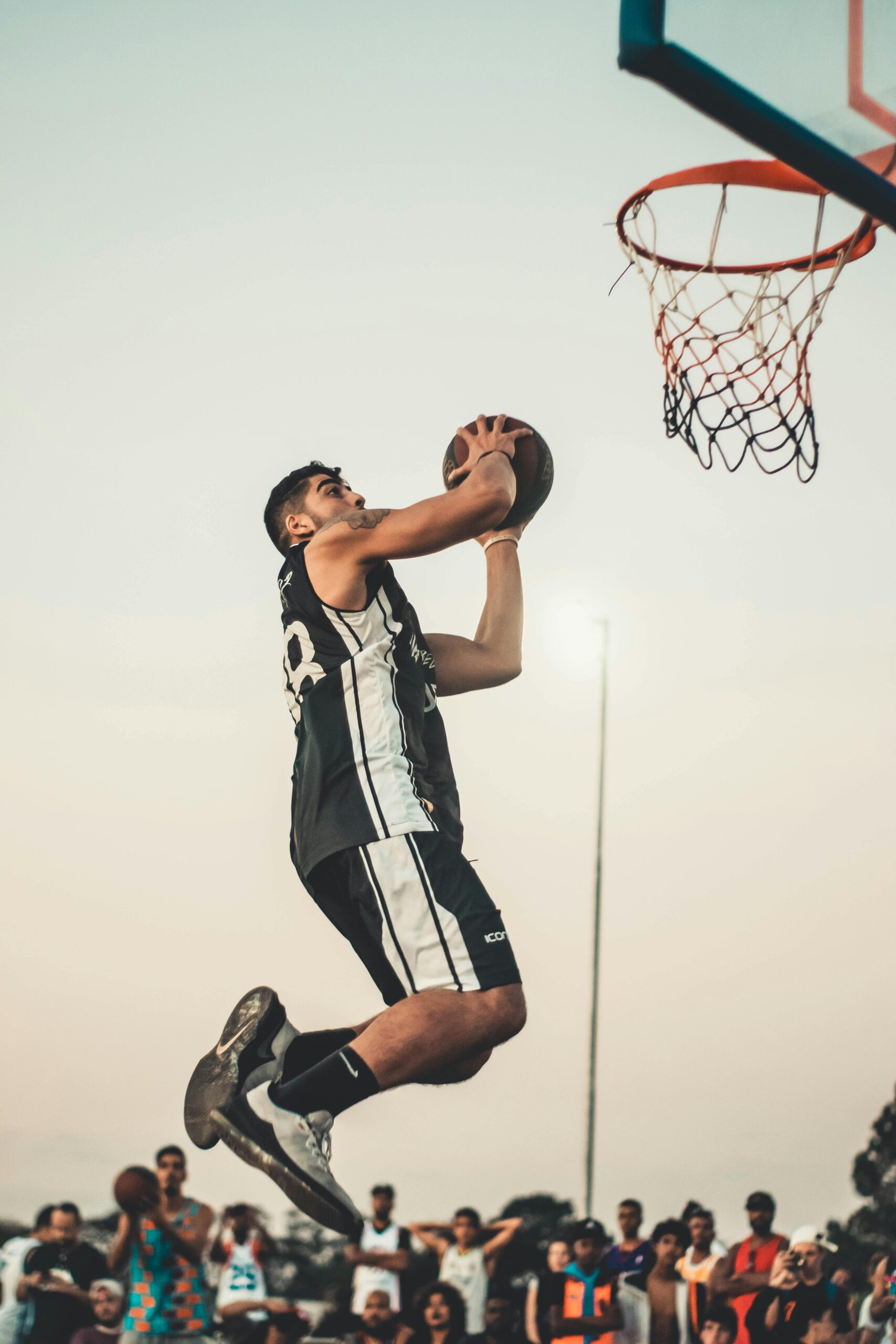
- How to perform it: The athlete drives downhill toward the rim. The coach runs parallel to them with a heavy blocking pad. Instead of trying to jump away from the coach, the athlete must actively “veer” their path, jumping laterally into the coach’s pad in mid-air to initiate contact before finishing the layup.
- Why it works: True scorers dictate the physical terms of the game. Initiating contact neutralizes the shot-blocker’s ability to jump vertically and earns the offensive player trips to the free-throw line.
- Coaching tips: Take the contact on your shoulder and hip, keeping the basketball protected on the outside of your frame.
- Common mistakes: Shying away from the pad and throwing up a wild, off-balance floater.
3. The Pick-and-Roll “Snake” Dribble
- How to perform it: The coach acts as the screener. As the athlete comes off the screen tightly, they immediately cross back over to the opposite side of the screener (snaking), placing the recovering defender in “jail” on their back before pulling up for a mid-range jumper.
- Why it works: It forces the big man defending the screen to make a decision, completely destroying the defense’s coverage scheme.
- Coaching tips: You must come off the screen rubbing shoulders with the screener to ensure your defender gets caught. Keep your eyes on the rim, not on your dribble.
- Common mistakes: Leaving too much space between the ball handler and the screener, allowing the defender to slip through easily.
4. The Weak-Hand Floater Series
- How to perform it: Starting from the free-throw line, the athlete attacks downhill using only their weak hand. They must execute 10 consecutive weak-hand floaters over a contested broom or pad held high by the coach.
- Why it works: You cannot play varsity basketball if you only finish with one hand. Developing a soft floater over rotating big men is essential for modern guards playing in the paint.
- Coaching tips: Push the ball high into the air with a soft wrist flick. Do not shoot it flat like a traditional jump shot.
- Common mistakes: Twisting the body in mid-air to try and use the dominant hand, which leads to offensive fouls and blocked shots.
5. The Reactionary Closeout Attack
- How to perform it: The athlete starts on the wing. The coach passes them the ball and sprints at them for a hard, live closeout. The athlete must instantly read the coach’s feet and momentum to decide whether to shoot, drive left, or drive right.
- Why it works: It forces the player to make split-second reads under physical pressure, perfectly simulating game-speed decision making.
- Coaching tips: Catch the ball shot-ready with your knees already bent. Attack the defender’s lead foot.
- Common mistakes: Pre-determining what to do with the ball before actually reading the defender’s approach.
Common Mistakes Parents and Athletes Make When Choosing a Trainer
Finding the right fit in a crowded local market can be tricky. Over my years in the gym, I’ve noticed a few consistent traps that families fall into:
- Paying for “Sweat” Instead of “Skill”: If your athlete comes home exhausted but their shooting percentage hasn’t improved in two months, you are paying a conditioning coach, not a basketball trainer. A great coach spends time talking, correcting, and adjusting mechanics.
- Assuming Great Players are Great Teachers: A former Division 1 or overseas professional might have incredible talent, but that doesn’t mean they know how to break down the biomechanics of a jumpshot for a 13-year-old. Look for teaching ability and communication skills, not just a fancy playing resume.
- Falling for the “Instagram” Drills: If a trainer has your kid balancing on a Bosu ball while juggling tennis balls and dribbling two basketballs, run away. Elite trainers focus on the boring, brilliant basics: footwork, balance, and shooting form.
- Expecting an Overnight Fix: Rebuilding a broken jump shot takes thousands of reps to overwrite old muscle memory. Impatience leads to jumping from trainer to trainer, which completely confuses the athlete.
How Private Coaching Accelerates Improvement
Group practices with a school or club team are essential for learning team defense and offensive sets, but they are highly inefficient for individual skill development.
Private basketball training accelerates improvement because it relies on a relentless, personalized feedback loop. If your athlete’s guide hand is thumbing the basketball and ruining their rotation, a private trainer catches it on the very first rep. We stop the drill, physically adjust their hand placement, and run it again. This immediate correction prevents bad habits from cementing. When you pay for private training, you are paying for an expert to map out a highly customized development plan tailored to your athlete’s exact strengths and weaknesses.
Find a Private Basketball Coach: https://athletesuntapped.com/browse/basketball/
Frequently Questions About Top Basketball Trainers Near Me: Who to Choose
How much does a top basketball trainer usually cost?
Depending on the region, the cost of facility rentals, and the specific expertise of the coach, elite private basketball training typically ranges from $60 to $120 per hour. Small group training (2-4 players) is often slightly cheaper while still providing excellent value and game-like competition.
How do I know if a basketball trainer is actually good?
A great trainer provides highly specific, actionable feedback (e.g., “snap your wrist and hold your follow-through until the ball hits the floor”) rather than generic encouragement (e.g., “shoot it higher!”). They should also dictate the pace of the workout and correct footwork meticulously.
Is personal training better than joining an AAU team?
They serve completely different purposes. AAU is for gaining match experience, exposure, and learning team concepts. Personal training is for breaking down individual flaws (like a broken jump shot or weak ball-handling). The best players do both.
At what age should a child start working with a basketball trainer?
While basic layups and hand-eye coordination can start at ages 7 to 9, bringing in a specialized private coach is highly beneficial around ages 10 to 12. This is the critical window where players are strong enough to shoot correctly but haven’t yet cemented a decade of bad habits.
Can a private trainer help with in-game confidence?
Absolutely. A lack of confidence usually stems from a lack of technical certainty. When an elite trainer proves to a player exactly why their shot goes in or how their crossover works, the player stops hoping and starts knowing. That technical mastery translates directly to in-game swagger.
Conclusion
So, when you search for “top basketball trainers near me: who to choose,” remember that you hold the power to dictate your athlete’s success. Stop paying for trainers who just want to run your athlete into the ground with aimless dribbling drills for social media views. You need a dedicated instructor who understands the kinetic chain, prioritizes efficient footwork, and communicates precise, actionable feedback. When you commit the time and find a trainer who truly understands the science of the game, the resulting confidence and on-court performance will completely transform.
About Athletes Untapped
Athletes Untapped connects athletes of all sports with experienced private coaches who specialize in mental performance, sports psychology concepts, and competitive mindset training. Through personalized instruction and structured training plans, AU coaches help athletes eliminate performance anxiety, master their internal dialogue, and completely dictate their emotional response to adversity.
Find an experienced coach near you:https://athletesuntapped.com
Learn from our very best AU coaches!