
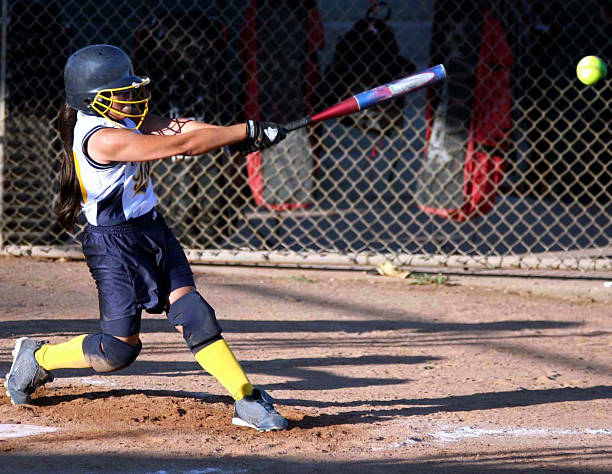
Why Proper Hitting Mechanics Are Crucial in Softball
Hitting is the cornerstone of offensive success in softball. Whether at the recreational or competitive level, teams that consistently put the ball in play apply pressure on defenses and create scoring opportunities. Players who master proper hitting mechanics early in their development generate more power, make consistent contact, and build confidence every time they step into the batter’s box.
Strong fundamentals also help prevent injury. Poor swing habits can place unnecessary strain on the wrists, elbows, shoulders, and lower back. By developing efficient mechanics from the start, youth players accelerate their growth while protecting their bodies. In the long run, disciplined technique separates average hitters from consistently productive ones.
The Importance of Stance and Balance
A strong hitting stance sets up every successful swing. Balance is the foundation of power and control. Players should begin with their feet shoulder-width apart, knees slightly bent, and weight distributed evenly. The upper body should remain relaxed but athletic, allowing for quick movement.
Proper balance allows hitters to react efficiently to different pitch speeds and locations. If a player starts off-balance or too stiff, timing becomes difficult. A controlled, athletic stance gives hitters the ability to adjust mid-swing and maintain posture through contact.
Young players often underestimate the importance of their setup, but consistent stance work builds repeatable swings and improved results at the plate.
Grip and Hand Positioning for Effective Swings
Hand placement directly impacts bat control and bat speed. A proper grip keeps the hands aligned with the knocking knuckles and the bat resting comfortably in the fingers—not deep in the palms. This promotes quicker wrists and smoother rotation.
Both the top and bottom hands must work together in harmony. The bottom hand guides the bat path, while the top hand helps generate speed through contact. Tension in the grip can slow down the swing, so hitters should maintain firmness without squeezing too tightly.
Correct grip and hand positioning improve accuracy, strengthen follow-through, and help players consistently find the sweet spot on the barrel.
Load and Weight Transfer Mechanics
Power in softball begins before the bat even moves forward. The load phase—shifting weight slightly onto the back leg—creates stored energy that can be unleashed during the swing. This controlled movement builds rhythm and timing.
As the pitch approaches, hitters transfer weight explosively from the back foot to the front side. Efficient weight transfer maximizes power without over-swinging. When players rush or over-rotate during the load, they lose balance and timing.
Teaching youth athletes to control their load and transfer weight smoothly improves both power and consistency.
Hip Rotation and Core Engagement
The hips are the engine of the swing. Proper hip rotation generates torque, which translates into bat speed. When hitters fire their hips first and allow the upper body to follow, they create a powerful chain reaction through the swing.
Core engagement is equally important. Strong abdominal and lower back muscles stabilize the body and support explosive rotation. Off-field strength training that focuses on core development directly enhances hitting performance.
Efficient hip rotation not only increases distance but also improves accuracy by keeping the swing connected and compact.
Swing Path and Contact Point
A level, direct swing path increases the likelihood of solid contact. Youth players should focus on driving the bat through the hitting zone rather than chopping down or looping upward excessively.
The ideal contact point typically occurs slightly in front of the body, allowing hitters to extend their arms and drive the ball. Making contact too far back often results in weak ground balls or foul tips.
Read this blog to learn more drills for consistent line drive contact!
Consistent practice targeting the sweet spot on the bat reduces pop-ups and weak hits. Developing muscle memory for a clean swing path leads to more line drives and more productive at-bats.
Timing and Pitch Recognition
Even perfect mechanics require proper timing. Hitters must learn to recognize pitch speed, spin, and location quickly. This skill develops through repetition and exposure to live pitching.
Training drills that include variable speeds and realistic game situations improve reaction time. As players grow more comfortable recognizing pitches, their confidence increases dramatically.
Anticipation and discipline at the plate allow hitters to avoid chasing bad pitches and focus on driving strikes.
Follow-Through and Recovery
A complete follow-through ensures that hitters finish their swing with balance and control. Cutting the swing short reduces power and often leads to inconsistent contact. Extending through the ball keeps the barrel in the zone longer and maximizes force.
Proper recovery after the swing is equally important. Players must quickly regain balance and prepare for the next pitch. Developing consistent routines between pitches strengthens focus and mental readiness.
A disciplined finish reinforces sound mechanics and prepares hitters for long-term success.
Weak-Hand Development in Batting
Many youth players favor one side of their swing, which can limit versatility and growth. Practicing opposite-hand drills or working on balanced hand engagement builds a more complete hitter.
Switch-hitting or simply strengthening the non-dominant hand improves coordination and adaptability. Balanced development makes it harder for pitchers to exploit weaknesses.
By addressing weak-hand development early, players build long-term versatility and confidence at the plate.
Common Hitting Mistakes to Avoid
Several mechanical flaws frequently appear in youth softball. Dropping the back shoulder often causes pop-ups. Failing to rotate the hips limits power. Rushing the swing leads to poor timing and weak contact.
Coaching feedback and video analysis can identify these issues early. Structured practice with focused repetition prevents bad habits from becoming ingrained.
Correcting mistakes at a young age accelerates improvement and builds a stronger foundation for advanced competition.
Translating Hitting Drills to Game Performance
Drills must replicate game intensity to be effective. Tee work builds mechanics, but live pitching and situational hitting translate those skills into real performance.
Incorporating pressure-based drills—such as hitting with runners on base or working on two-strike approaches—helps players adapt under game conditions.
Confidence grows when practice mirrors competition. The more realistic the training environment, the more prepared hitters will feel during actual games.
Athletes Untapped: Softball Hitting Coaching
Athletes Untapped provides private coaching focused on softball hitting mechanics. Youth players receive personalized instruction designed to build power, improve contact consistency, and strengthen confidence at the plate.
Structured coaching accelerates development by identifying mechanical flaws and creating targeted improvement plans. With focused attention and expert feedback, players develop efficient swings that translate into long-term success on the field.
Find an experienced coach near you: https://athletesuntapped.com
Learn from our very best Coach Jasmine and Coach Bert.


