Understanding Performance Slumps in Youth Sports
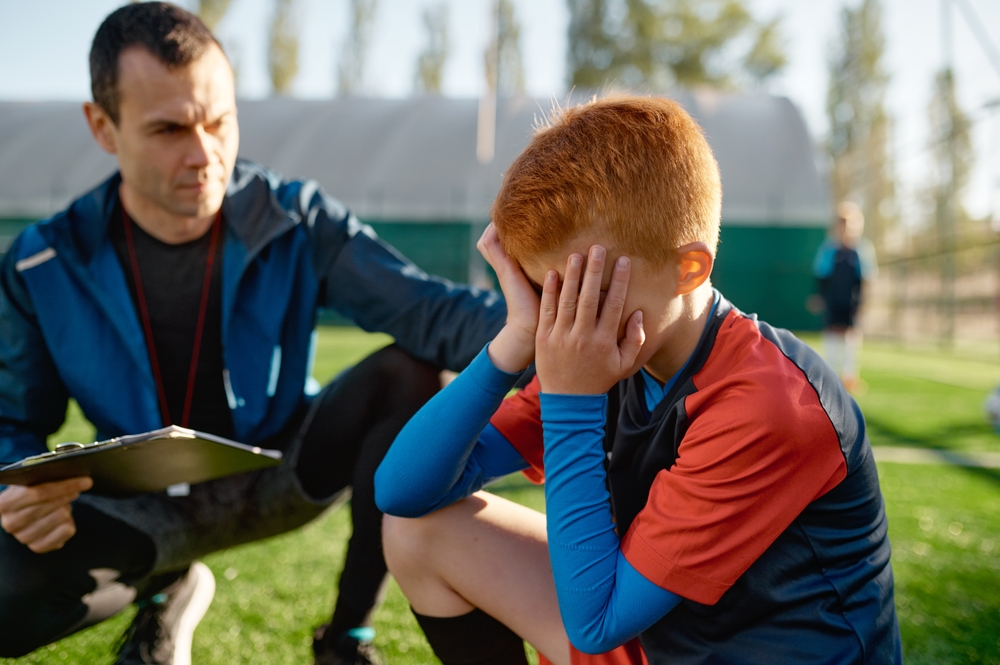
Performance slumps are a natural part of athletic development. Youth athletes may struggle with timing, focus, or confidence, leading to temporary declines in performance. While physical factors can contribute, mental state often plays a key role. Negative thoughts, self-doubt, or anxiety can create a cycle of underperformance that becomes difficult to break.
Positive self-talk—consciously using encouraging, constructive language—can interrupt this cycle. By changing the internal dialogue, athletes reframe challenges as opportunities and maintain focus on actionable solutions.
The Role of Self-Talk in Mental Performance
Self-talk is the internal dialogue athletes use to interpret situations. Research shows that constructive self-talk improves confidence, motivation, and concentration. For youth athletes, positive language can reduce anxiety during high-pressure moments and foster a mindset focused on growth rather than failure.
It is essential to regulate your emotions while you are competing in athletics. Learn from this blog to understand how you can master your emotions to compete at the highest level you can!
For example, a volleyball player struggling with serves may shift from “I always miss” to “I will focus on technique and make my next serve count.” This simple reframing reduces stress, improves execution, and encourages resilience.
Techniques for Effective Positive Self-Talk
- Identify Negative Thoughts: Encourage athletes to notice patterns of self-doubt or criticism.
- Replace With Positive Statements: Transform negative thoughts into actionable, motivating phrases.
- Use Present Tense: Focus on immediate action rather than dwelling on past mistakes.
- Repeat Regularly: Incorporate positive affirmations into warm-ups, breaks, and pre-competition routines.
- Combine With Visualization: Reinforce positive outcomes by mentally rehearsing success while using encouraging language.
When practiced consistently, positive self-talk becomes automatic, helping athletes maintain focus and confidence even under pressure.
Breaking the Cycle of a Slump
Overcoming a performance slump requires combining mental strategies with deliberate practice. Self-talk works best when paired with goal-setting, visualization, and structured routines. Athletes can:
- Set small, achievable objectives for immediate improvement.
- Celebrate incremental successes to reinforce confidence.
- Review videos or drills to identify strengths, not just weaknesses.
By focusing on controllable actions rather than results, athletes regain control of performance and disrupt negative cycles.
Fun Fact: Top Athletes Use Self-Talk Strategically
Elite athletes in every sport—from sprinters to volleyball players—use positive self-talk to maintain focus during critical moments. Studies show that athletes who consciously engage in constructive self-dialogue perform better under pressure and recover faster from mistakes. Youth athletes who adopt this approach early gain a lifelong mental advantage.
Tips for Coaches and Parents
- Model positive language and reinforce effort over outcomes.
- Encourage athletes to maintain a self-talk journal to track progress and challenges.
- Integrate self-talk into pre-game and practice routines to normalize the habit.
By making positive self-talk a daily habit, coaches and parents help athletes develop resilience and confidence that extend beyond the sport.
Conclusion: Self-Talk as a Mental Performance Tool
Positive self-talk is a simple, yet highly effective tool for youth athletes experiencing performance slumps. By reframing negative thoughts into constructive, motivating statements, athletes regain focus, confidence, and consistency. Paired with visualization, routines, and goal-setting, self-talk empowers athletes to overcome slumps and perform at their best.
Athletes Untapped: Private Mental Performance Coaching
Athletes Untapped connects youth athletes with private coaches specializing in positive self-talk, mental toughness, and performance optimization. Personalized sessions focus on confidence-building, self-talk strategies, visualization, and focus techniques. One-on-one instruction allows athletes to address specific challenges and refine strengths in a focused environment.
Through structured coaching and mental performance exercises, athletes develop resilience and composure under pressure. With improved self-talk and focus, youth athletes become leaders who elevate their entire team’s performance.
Find an experienced coach near you: https://athletesuntapped.com
Learn from our very best Coach Tre and Coach Deezha!