Why Skating Speed Is the Foundation of Ice Hockey Performance
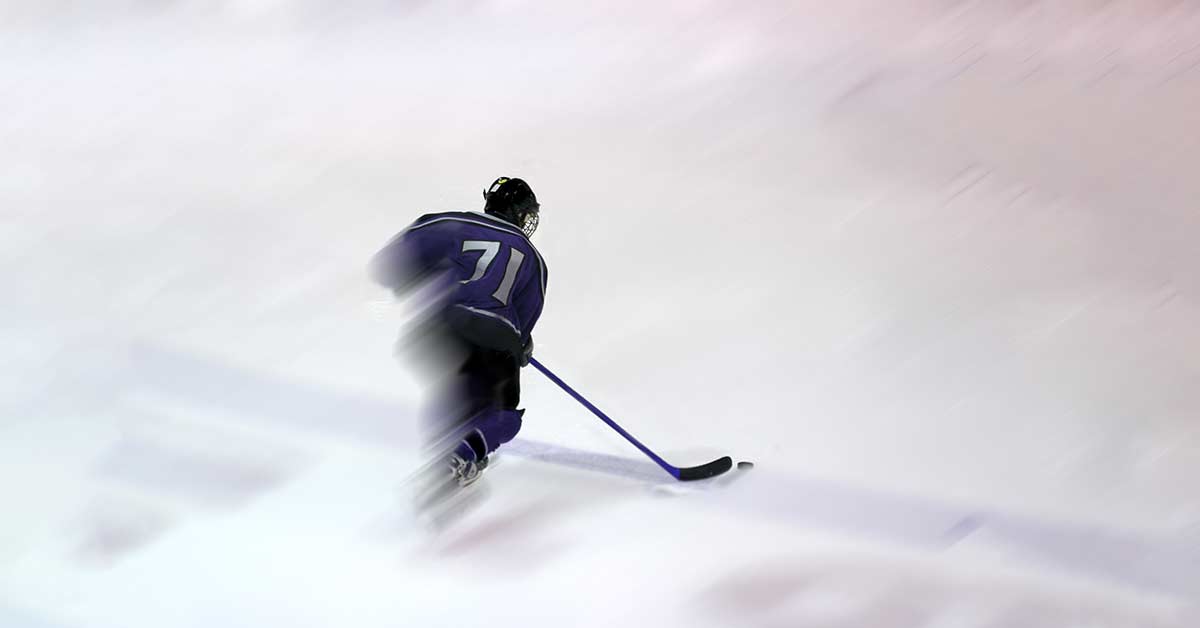
In ice hockey, speed impacts every part of the game, from puck battles to defensive recovery. Players who skate faster reach loose pucks first and create more offensive opportunities. Speed also allows players to make mistakes and still recover, which builds confidence and consistency. As competition levels rise, skating speed becomes a non-negotiable skill.
Read this article to learn what the essentials are for hockey gear!
Common Skating Speed Mistakes in Youth Hockey Players
Many young players rely on choppy strides or stand too upright while skating. Others overuse their upper body instead of generating power from their legs and hips. These habits limit acceleration and cause early fatigue. Correcting these issues early prevents long-term mechanical problems.
Proper Skating Posture for Maximum Acceleration
Strong skating posture begins with bent knees, a forward chest angle, and weight centered over the balls of the feet. This position allows players to generate force efficiently while maintaining balance. Good posture also improves edge control and reduces wasted movement. Drills that emphasize posture improve both speed and endurance.
First-Step Acceleration Drills for Explosive Starts
The first three strides often determine puck possession. Acceleration drills focus on powerful push-offs and quick recovery of the skate under the body. Players learn to drive through the ice rather than glide too early. These drills translate directly to faster game starts.
Stride Length and Power Development Drills
Efficient skaters generate power through full extension. Stride-length drills teach players to push laterally and finish each stride fully. This improves speed without increasing effort. Power skating becomes more efficient and sustainable.
Edge Control Drills That Improve Speed Efficiency
Edges control direction and balance. Edge-focused drills improve how skates grip the ice during acceleration and turns. Players who control their edges lose less speed during transitions. This efficiency adds up over the course of a game.
Overspeed and Resistance Skating Drills
Overspeed skating challenges neuromuscular adaptation, while resistance drills build strength. When combined properly, these methods improve acceleration without sacrificing form. Players learn to apply force quickly and effectively. Supervision is important to ensure proper technique.
Forward-to-Backward Transition Speed Drills
Game situations require constant direction changes. Transition drills improve how quickly players switch skating directions while maintaining speed. Smooth transitions reduce hesitation and defensive gaps. This skill is critical for defensemen and two-way forwards.
Conditioning-Based Speed Drills for Game Endurance
Speed must last all three periods. Conditioning speed drills combine short sprints with limited rest to simulate game demands. Players develop the ability to accelerate even when tired. Late-game speed often separates top performers.
Speed Development for Forwards vs Defensemen
Forwards prioritize quick acceleration and open-ice speed. Defensemen focus more on backward skating speed and gap control. Position-specific speed training ensures players meet their role’s demands. Balanced development still includes crossover skills.
Why Skating Speed Improves Overall Hockey IQ
Faster players have more time to make decisions. Speed reduces panic and allows players to read the game more effectively. This leads to better puck movement and positioning. Hockey becomes simpler when players arrive early.
Coaching’s Role in Skating Speed Development
Coaches identify inefficiencies that players cannot feel themselves. Small posture or timing adjustments can unlock major speed gains. Personalized feedback prevents bad habits from becoming permanent. Structured instruction accelerates improvement.
Final Thoughts on Ice Hockey Skating Speed Training
Skating speed is built through repetition, discipline, and correct mechanics. Players who invest in proper speed training gain a lasting advantage. Confidence grows when speed becomes reliable. Consistency separates good skaters from elite ones.
About Athletes Untapped
Athletes Untapped connects ice hockey players with experienced private coaches who specialize in skating mechanics, acceleration, and speed development. Personalized training helps athletes build confidence and game-ready skating ability.
Find an experienced coach near you: https://athletesuntapped.com
Learn from our very best Coach Alessandro and Coach Emerson.