Why Defensive Positioning Is Critical in Ice Hockey
Strong defense prevents goals before shots occur. Proper positioning limits passing lanes and forces opponents into low-percentage areas. Defensive awareness reduces panic and unnecessary penalties. Smart positioning keeps teams structured.
Common Defensive Positioning Mistakes in Youth Hockey
Many young defenders chase the puck instead of controlling space. Others give too much gap, allowing attackers to build speed. These mistakes lead to dangerous scoring chances. Positioning improves through discipline and repetition.
Understanding Defensive Angles and Body Positioning
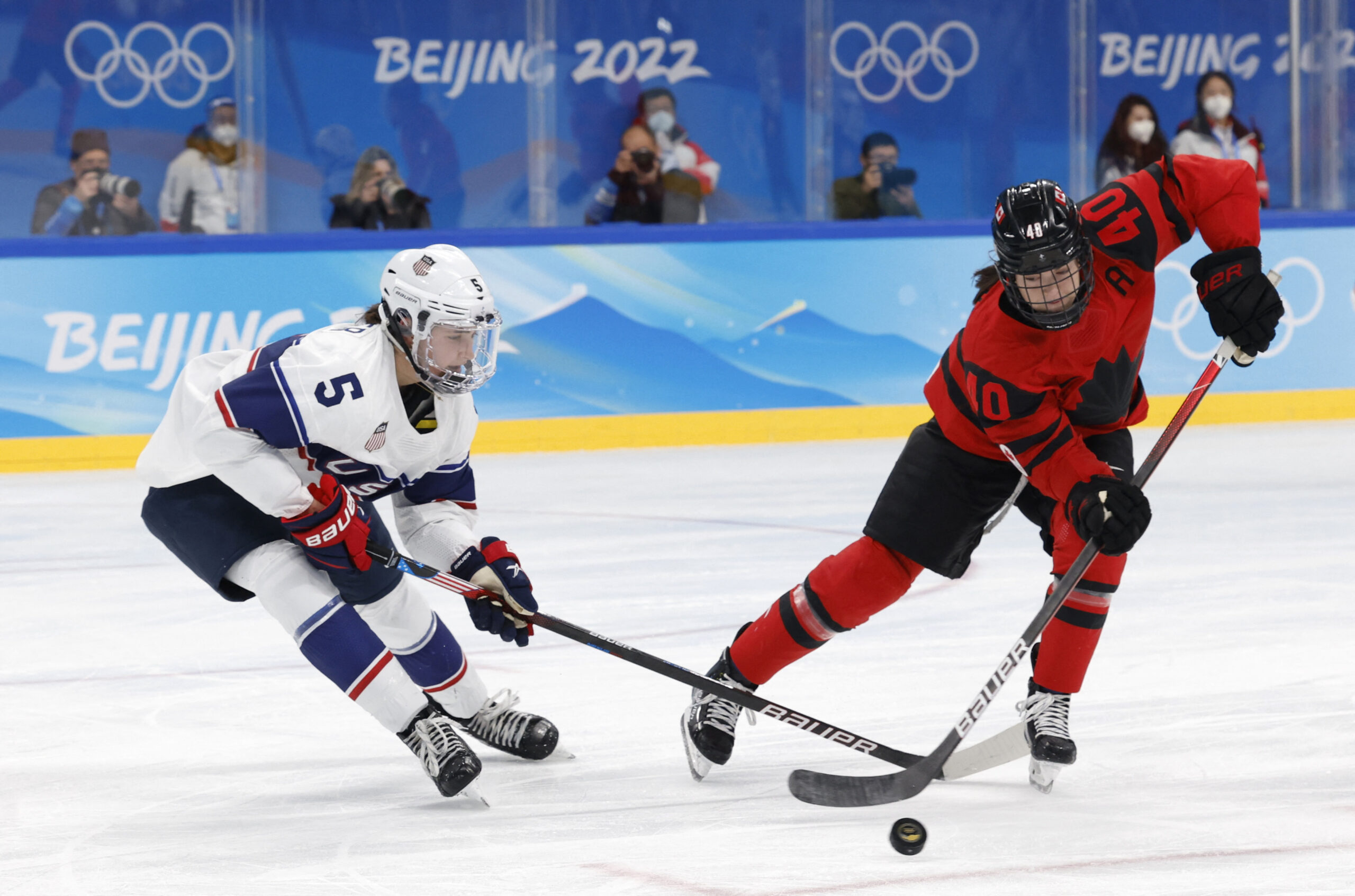
Defenders must guide attackers, not attack blindly. Proper angles force opponents wide and reduce shooting options. Body positioning keeps defenders between the puck and the net. Awareness improves defensive efficiency.
Gap Control Drills for Managing Attacking Speed
Gap control determines defensive success. Drills teach defenders to maintain appropriate distance while matching attacker speed. Proper gap prevents clean zone entries. Confidence grows through repetition.
Backward Skating Drills for Defensive Stability
Backward skating is foundational for defensemen. Drills focus on balance, edge control, and smooth transitions. Strong backward skating prevents attackers from exploiting space. Stability improves reaction time.
Defensive Stick Positioning Drills
Stick positioning disrupts passing lanes. Drills teach defenders to keep sticks active without overreaching. Proper stick placement forces turnovers. Discipline prevents penalties.
Angling Drills Along the Boards
Many battles occur near the boards. Angling drills teach defenders to guide attackers into less dangerous areas. Body positioning and timing are emphasized. These drills reduce high-risk plays.
Net-Front Defensive Positioning Drills
Defending the net front requires awareness and strength. Drills teach defenders to box out without losing sight of the puck. Rebound control becomes a priority. Net-front discipline prevents second chances.
Defensive Reads and Decision-Making Drills
Defense requires quick decisions. Read-based drills train players to anticipate passes and shot attempts. Awareness improves with repetition. Smart decisions reduce breakdowns.
Defensive Communication Drills
Defense is collaborative. Communication drills emphasize calling switches and coverage. Clear communication prevents confusion. Team defense improves when players stay connected.
Conditioning-Based Defensive Drills
Defense must remain sharp late in games. Conditioning drills reinforce positioning under fatigue. Players learn to stay disciplined when tired. Mental toughness improves defensive reliability.
Read this blog to improve your quickness on the ice!
Why Defensive Positioning Improves Team Confidence
Teams trust defenders who stay composed. Proper positioning reduces emergency situations. Confidence spreads throughout the lineup. Structure leads to consistency.
Coaching’s Role in Defensive Development
Coaches correct spacing and timing errors. Individual feedback sharpens positioning habits. Structured systems accelerate learning. Discipline comes from repetition.
Final Thoughts on Ice Hockey Defensive Positioning Training
Defense is built on awareness and patience. Players who master positioning control the game without chasing. Confidence grows through preparation. Strong defense wins games.
About Athletes Untapped
Athletes Untapped connects ice hockey players with experienced private coaches who specialize in defensive positioning, gap control, and game awareness. Personalized coaching helps athletes become dependable defenders.
Find an experienced coach near you: https://athletesuntapped.com
Learn from our very best Coach Robert and Coach Russell.