AU coaches have spent over 15 years on the hardwood, helping athletes transition from the end of the bench to becoming varsity starters and college recruits. When parents and athletes search for a basketball trainer near them, they often face a massive sea of options. Today, anyone with a whistle and a bag of basketballs can call themselves a private trainer, but running a player through an exhausting workout is very different from actually teaching the game.
Many athletes hit a ceiling in their development because they participate in workouts that look flashy on social media but have zero translation to a real game. A great AU coach does not just roll the ball out and tell an athlete to shoot five hundred threes. Elite trainers break down footwork, dissect shooting mechanics, and build the high-level court vision required to read a defense. Knowing exactly what to look for when choosing a basketball coach is the first step toward building a highly effective, in-game skill set.
Why Individual Skill Matters for Athlete Development
Basketball is a game of rapidly executed micro-skills. An athlete can be the tallest or fastest player on the court, but if they cannot dribble under pressure with their weak hand or shoot with proper alignment, their overall impact is severely limited. Developing elite individual skills—like a tight handle, a balanced pull-up jumper, and explosive change of direction—translates directly to dominating one-on-one matchups.
When a basketball player trusts their mechanics, the game slows down for them mentally. They stop looking down at the ball when they dribble and start scanning the floor to make the right read. In-game performance improves because the fundamental movements become completely automatic. For long-term development, mastering proper footwork and landing mechanics early protects the knees and ankles from chronic injuries, keeping athletes healthy for a long and successful career on the court.
Foundational Drills a Top-Tier Basketball Trainer Will Teach
When evaluating a potential basketball coach, pay close attention to the drills they run. A top-tier AU trainer will focus heavily on balance, footwork, and game-realistic movements before ever letting an athlete shoot from the three-point line. Here are the foundational drills to expect:
- Form Shooting from the Block (Shooting Mechanics)
- How to perform: The athlete stands just two feet from the basket on the block. Using only one hand (or with the guide hand hovering slightly off the ball), they shoot swishes by focusing entirely on keeping their elbow tucked under the ball and snapping their wrist.
- Why it works: It builds the foundation of a pure stroke. If the release is flawed from two feet away, it will be disastrous from twenty feet away.
- Coaching tip: Hold the follow-through high until the ball goes through the net. The index and middle fingers should point directly at the rim.
- Common mistake: Using the guide hand thumb to push the ball, which causes a nasty side-spin and inconsistent accuracy.
- The Pound and Pocket Drill (Ball Handling)
- How to perform: The athlete takes one incredibly hard, aggressive dribble (the pound) and immediately pulls the ball back horizontally to their hip (the pocket) while dropping their shoulders into an athletic stance.
- Why it works: The pocket is the safest place for the ball when a defender reaches. It also perfectly sets up the athlete to instantly transition into a shot, a pass, or a crossover.
- Coaching tip: The ball should float in the pocket for a split second before the next action.
- Common mistake: Bending at the waist and looking down at the floor instead of dropping the hips and keeping the chest up.
- The Mikan Drill (Finishing and Footwork)
- How to perform: The athlete stands directly under the basket and practices continuous, rhythmic layups, alternating from the right side of the rim with the right hand to the left side of the rim with the left hand.
- Why it works: Named after the legendary George Mikan, this drill develops a soft touch off the backboard, builds weak-hand confidence, and improves jumping rhythm.
- Coaching tip: Keep the ball high above the shoulders the entire time. Do not bring the ball down to the waist after grabbing it out of the net.
- Common mistake: Taking too many steps or jumping off the wrong foot when switching sides.
- Drop Stance and Explode (Agility and First Step)
- How to perform: The athlete starts in a relaxed, tall stance holding the ball. On command, they violently drop their hips, split their feet into a wide base, and immediately explode past a cone with one dribble.
- Why it works: Basketball is a game of changing speeds. Going from a slow, relaxed posture into an explosive drive catches defenders completely off guard.
- Coaching tip: The first step must be long and aggressive, stepping past the defender’s hip.
- Common mistake: Taking a false step backward before driving forward, which wastes time and telegraphs the move.
Connect with a Private Basketball Coach: https://athletesuntapped.com/browse/basketball/
Common Mistakes Athletes Make
Even the hardest workers will plateau if they reinforce bad habits at the local park. A great AU coach will identify and fix these common mistakes immediately:
- Shooting from the Hip or Chest: Many young players lack upper body strength, so they start their shooting motion from their waist or chest to generate power. This creates a low, easily blocked release point. Power must come from the legs, allowing the ball to be released high above the head.
- Looking Down While Dribbling: An athlete cannot pass to an open teammate or see a double-team coming if they are staring at the basketball. Elite ball handling requires keeping the eyes up and trusting the tactile feel of the ball.
- Ignoring the Weak Hand: A player who can only drive to their right is the easiest player on the court to guard. Smart defenders will overplay the dominant hand and force the athlete into becoming a complete non-threat.
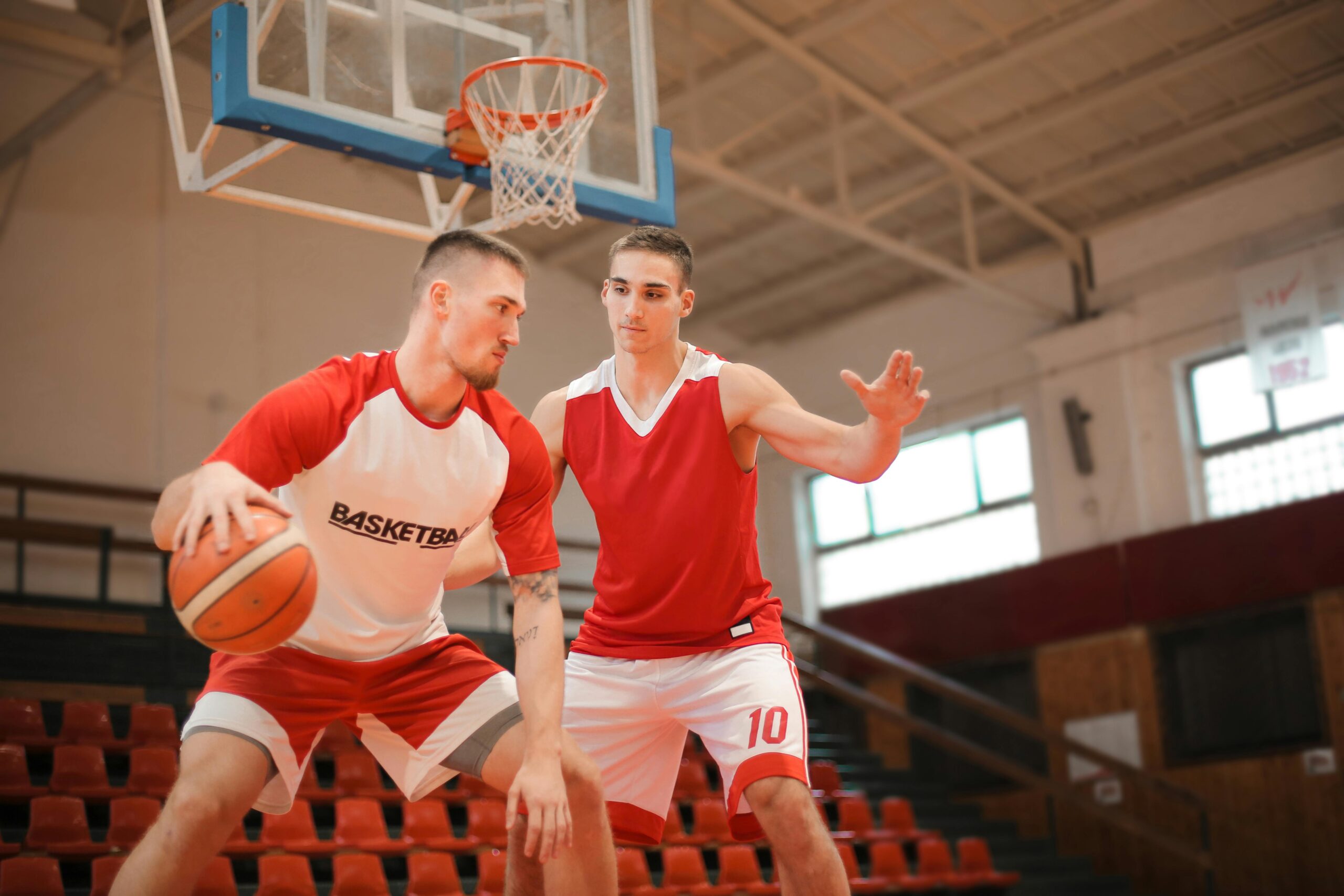
- Flat-Footed Defense: Standing completely upright with heels on the floor makes it impossible to react to a quick crossover. A proper defensive stance requires staying on the balls of the feet with the knees bent and active hands.
How Private Coaching Accelerates Improvement
Team practices are designed to install offensive plays, build zone defenses, and condition the entire roster. A high school or AAU coach managing twelve players simply does not have the time to spend thirty minutes fixing the elbow alignment of one single shooter. This is exactly where a private basketball trainer accelerates improvement.
In a one-on-one setting, an AU coach can utilize video breakdown to show the athlete exactly what their body is doing in real-time. If a player is constantly getting their pocket picked, an AU coach can instantly identify that they are dribbling the ball too high and correct their stance on the very next repetition. This level of granular, detail-oriented training builds immense confidence, corrects mechanical flaws before they turn into permanent habits, and gives the basketball player the exact tools they need to score efficiently.
Frequently Asked Questions About Basketball Trainers
What Should Parents and Athletes Look For in a Private Basketball Trainer?
Look for an AU coach who emphasizes footwork, balance, and game-realistic decision-making over flashy dribbling combos that look good on video but never happen in a game. They should be able to clearly explain the why behind every drill and have a proven track record of developing fundamental skills from the ground up.
How Much Do Private Basketball Lessons Cost?
Rates vary widely based on location, gym rental fees, and the coach’s competitive playing or coaching background. You can generally expect to pay anywhere from $60 to $125 per hour. Paying for a coach who truly understands biomechanics and shooting form is a crucial investment.
What Age Should a Basketball Player Start Private Training?
Athletes can start basic ball-handling and coordination drills as early as 7 or 8 years old. This is an excellent time to build a healthy relationship with the game. By ages 11 to 13, private coaching becomes essential as athletes prepare for the speed, strength, and complexity of middle school and high school basketball.
How Often Should an Athlete Train With a Private Coach?
During the offseason, AU coaches recommend one or two private sessions a week, combined with heavy independent practice in the driveway or local gym. During the active season, scaling back to a quick mechanical tune-up every other week ensures the player stays sharp without suffering from leg fatigue.
Can a Private Trainer Help With Court Vision and Basketball IQ?
Yes. The best AU basketball coaches dedicate time to breaking down game film and discussing spatial awareness. They help athletes understand how to read pick-and-roll coverages, how to recognize help defense, and how to move without the ball to get open.
Find a Private Basketball Coach: https://athletesuntapped.com/browse/basketball/
Conclusion
Finding the right basketball trainer is one of the most important decisions an athlete can make for their career. Players need someone who will tear down bad habits, build a rock-solid mechanical foundation, and teach them how to process the game at a high speed. When athletes find an AU coach who prioritizes footwork, shooting mechanics, and basketball IQ over mindless conditioning, they see their scoring average, assist numbers, and confidence improve faster than they ever thought possible. Put in the work, trust the process, and dominate the court.
About Athletes Untapped
Athletes Untapped connects athletes of all sports with experienced private coaches who specialize in mental performance, sports psychology concepts, and competitive mindset training. Through personalized instruction and structured training plans, AU coaches help athletes eliminate performance anxiety, master their internal dialogue, and completely dictate their emotional response to adversity.
Find an experienced coach near you: https://athletesuntapped.com
Learn from our very best AU coaches!