
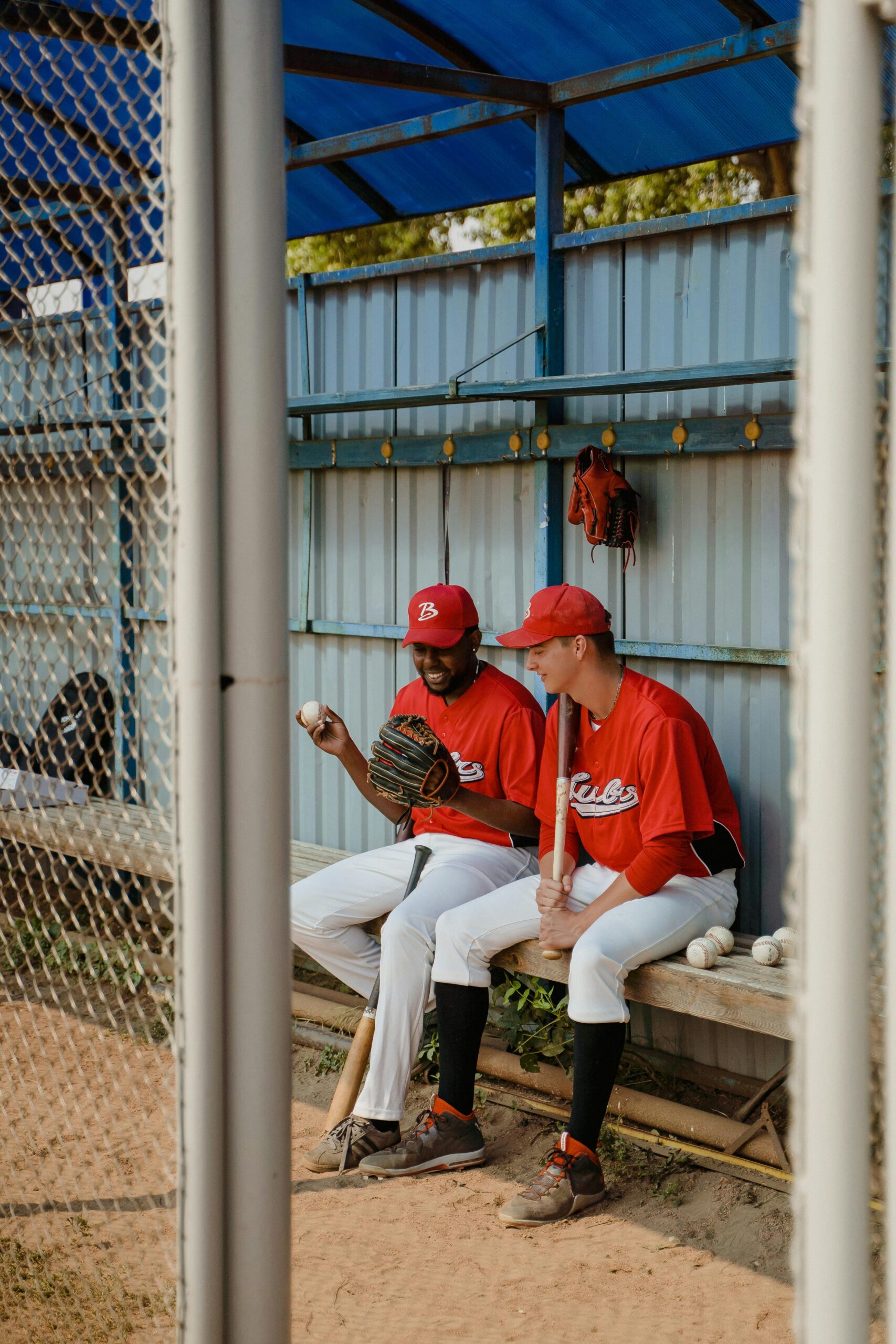
AU coaches have spent over 15 years in batting cages and dugouts, helping players transform from streaky hitters into reliable, middle-of-the-order threats. When parents and athletes ask how baseball training improves hitting consistency over time, the answer comes down to eliminating variables. Hitting a round baseball with a round bat is widely considered the hardest task in all of sports. Doing it consistently against pitchers who are actively trying to disrupt your timing requires a swing that is mechanically bulletproof.
Many young athletes step into the batter’s box and rely purely on hand-eye coordination. While athleticism might work at the younger levels, it falls apart against high school breaking balls and elevated velocity. Taking five hundred swings in the backyard does not build consistency if the swing path is flawed. Proper, structured baseball training breaks the swing down into manageable phases, building muscle memory that holds up under intense game pressure.
Why a Repeatable Swing Matters for Athlete Development
Consistency at the plate is not about getting a hit every single time. A Hall of Fame baseball player fails seven out of ten times. True consistency is about ensuring that every swing gives the batter the best possible chance to make hard contact. Developing elite mechanical habits—like a quiet head, a balanced load, and a direct hand path—translates directly to higher exit velocities and fewer strikeouts.
When a baseball player develops a repeatable swing, their mental approach shifts entirely. They stop guessing at the plate and start trusting their body to react. In-game performance improves because the physical act of swinging becomes automatic, allowing the hitter to focus completely on pitch recognition and timing. For long-term development, building a consistent swing prevents the extreme emotional highs and lows that cause prolonged batting slumps, keeping the athlete confident and engaged all season long.
Best Drills to Build Hitting Consistency
To improve hitting consistency, athletes must move away from simply trying to hit the ball as hard as they can off a pitching machine. A top-tier AU coach will implement drills that isolate specific parts of the swing to build true kinetic sequencing. Here are the foundational drills to expect:
- The Pause Drill (Load and Balance)
- How to perform: The batter takes their normal stride and loads their hands back, but comes to a complete, two-second stop before launching the swing and hitting the ball off a tee.
- Why it works: Inconsistent hitting usually stems from rushing the swing. The pause forces the batter to establish perfect balance on their back leg and ensures their hands are in the correct launch position before the hips fire.
- Coaching tip: Keep the eyes locked intensely on the baseball during the entire pause.
- Common mistake: Drifting the head and upper body forward toward the pitcher before the swing actually begins.
- Top Hand Isolation (Barrel Control)
- How to perform: The batter chokes up on a shorter, lighter training bat and swings using only their top hand (the back arm), hitting soft toss or tee balls right back up the middle.
- Why it works: The top hand dictates the angle of the barrel at impact. This drill builds forearm strength and trains the hitter to keep the barrel above the hands, preventing a long, looping swing.
- Coaching tip: Keep the back elbow tucked close to the rib cage during the initial turn.
- Common mistake: Dropping the barrel under the hands and popping the ball straight up in the air.
- The High Tee Drill (Direct Hand Path)
- How to perform: Set a batting tee at the very top of the strike zone, roughly chest high. The batter hits line drives directly into the back of the batting cage net.
- Why it works: It forces the batter to take the knob of the bat directly to the baseball. It is mechanically impossible to hit a line drive off a high tee if the batter drops their back shoulder or has an uppercut swing.
- Coaching tip: Focus on swinging down to the ball and finishing high.
- Common mistake: Dipping the backside to try and lift the ball, resulting in a weak foul ball or a swing-and-miss.
- Varying Speed Front Toss (Timing and Adjustments)
- How to perform: A coach sits behind an L-screen and tosses balls underhand to the batter. The coach mixes up the speed and trajectory of every single toss, forcing the batter to wait on slow pitches and react quickly to fast ones.
- Why it works: Hitting is timing. Pitching is upsetting timing. This drill bridges the gap between mechanical tee work and live game situations by forcing the hitter to keep their weight back until they recognize the speed of the pitch.
- Coaching tip: Maintain a slow, rhythmic load regardless of how fast the ball is coming.
- Common mistake: Lunging forward at the slower tosses and throwing the hands at the ball off-balance.
Connect with a Private Baseball Coach: https://athletesuntapped.com/browse/baseball/
Common Mistakes That Destroy Hitting Consistency
Even the most athletic baseball players will hit a wall if they reinforce bad habits in the cage. A great AU coach will identify and fix these common mistakes immediately:
- Casting the Hands: Pushing the hands away from the body at the start of the downswing creates a long, slow bat path. This makes it impossible to catch up to an inside fastball. The hands must stay tight to the body to create a short, explosive path to the baseball.
- Pulling the Head: Stepping away from home plate and ripping the front shoulder open causes the head to physically pull off the ball. You cannot consistently hit what you are not looking at. The chin should rest on the back shoulder after the follow-through.
- Dropping the Back Shoulder: Collapsing the backside to artificially create a higher launch angle causes the barrel to drag through the zone. This leads to heavy top-spin ground balls or weak pop-ups.
- Over-Swinging: Trying to hit a home run on every pitch destroys kinetic sequencing. Swinging at 110 percent effort causes the athlete to lose balance and pull off the ball. A smooth, 85 percent effort swing that hits the ball squarely will always travel further.
How Private Coaching Accelerates Hitting Consistency
Team practices are heavily focused on defensive alignments, baserunning, and getting as many players through the batting cage as quickly as possible. A high school coach cannot pause a live batting practice session to fix the wrist angle of one specific hitter. This is exactly where private baseball training accelerates improvement over time.
In a one-on-one setting, an AU coach can utilize high-speed video analysis to show the athlete exactly where their swing breaks down frame by frame. If a hitter is constantly rolling over outside pitches, an AU coach can instantly identify that their front foot is stepping open and provide a physical constraint drill to fix it. This hyper-focused environment builds immense confidence, corrects mechanical flaws before they turn into muscle memory, and gives the baseball player a customized blueprint to become a consistent, dangerous hitter.
Frequently Asked Questions About Baseball Training
How Long Does It Take to See Improvements in Hitting?
An athlete will feel a difference in their balance and contact quality during the very first lesson. However, building true hitting consistency and translating mechanical changes into a live game usually takes 6 to 8 weeks of focused, structured repetitions.
How Often Should Baseball Players Hit Outside of Practice?
To build consistency, frequency is more important than volume. AU coaches recommend hitting off a tee or doing soft toss for 15 to 20 minutes, 4 to 5 days a week. Taking 50 quality, focused swings every day is far better than taking 300 exhausted swings once a week.
Can Private Baseball Lessons Help Fix a Batting Slump?
Absolutely. A batting slump is usually the result of a tiny mechanical flaw that has grown over time, compounded by a loss of mental confidence. A private coach will use video to identify the mechanical breakdown and simplify the hitter’s thought process to get them back on track quickly.
What is the Best Age to Start Private Hitting Lessons?
While kids can start having fun with basic tee work at ages 6 or 7, specialized private hitting lessons become highly beneficial around ages 9 to 11. This is the stage where players face faster pitching and need a mechanically sound swing to succeed and build confidence.
Do Private Baseball Coaches Use Video Analysis?
Yes. Elite AU coaches rely heavily on video analysis. Showing an athlete exactly what their body is doing versus what they think it is doing is the fastest way to create a lightbulb moment and implement a mechanical fix.
Find a Private Baseball Coach: https://athletesuntapped.com/browse/baseball/
Conclusion
Improving hitting consistency over time is not about buying an expensive new bat or swinging until your hands blister; it is about building clean, efficient, and repeatable swing mechanics. Baseball players need an instructor who will break down their bat path, correct their load sequence, and build their mental toughness for the batter’s box. When athletes prioritize balance, timing, and proper technique over simply swinging as hard as they can, they see their batting average stabilize and their confidence soar. Trust your hands, stay balanced, and compete on every pitch.
About Athletes Untapped
Athletes Untapped connects athletes of all sports with experienced private coaches who specialize in mental performance, sports psychology concepts, and competitive mindset training. Through personalized instruction and structured training plans, AU coaches help athletes eliminate performance anxiety, master their internal dialogue, and completely dictate their emotional response to adversity.
Find an experienced coach near you: https://athletesuntapped.com
Learn from our very best AU coaches!


