
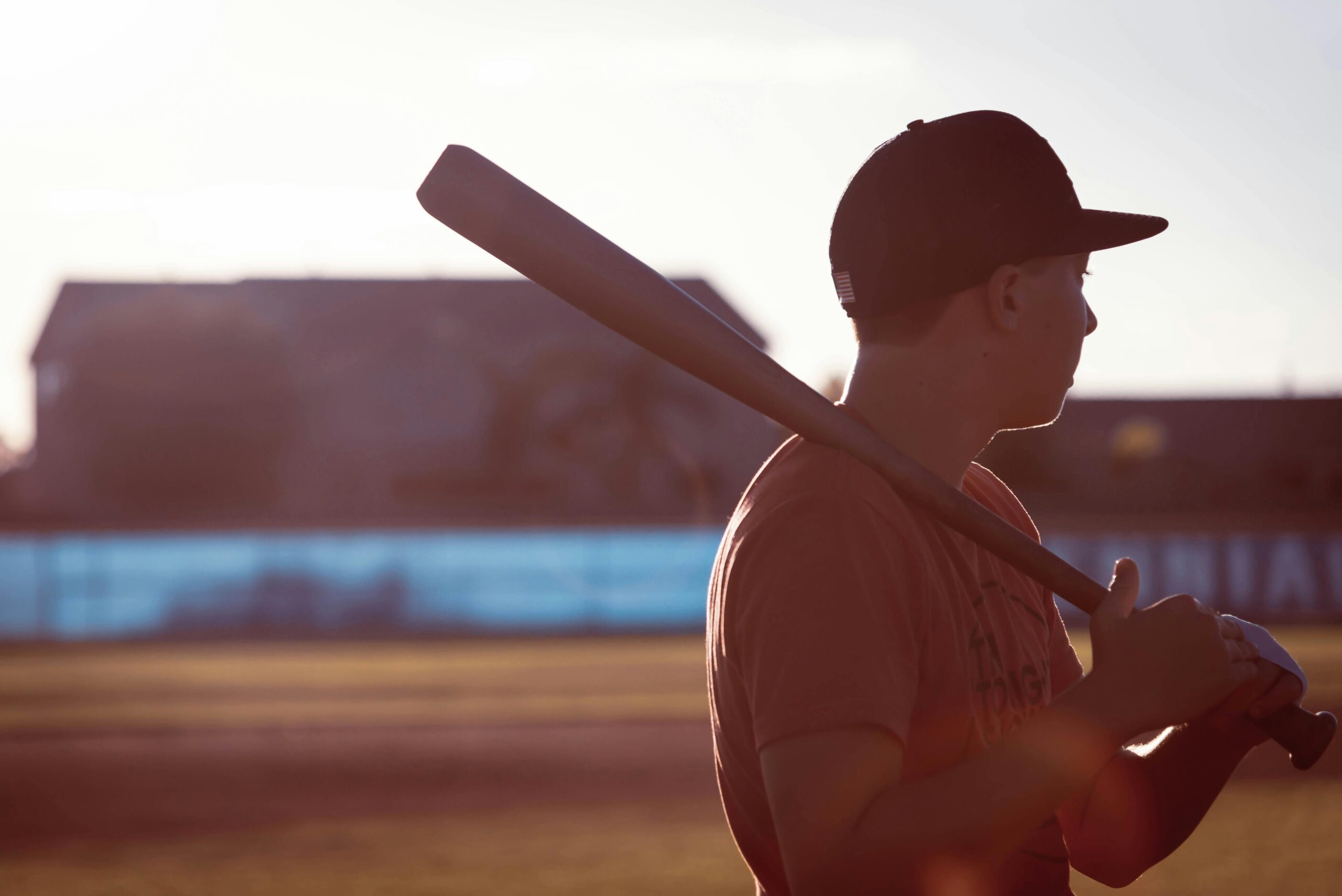
AU coaches have spent over 15 years in the dugout and the bullpen, helping athletes transition from struggling at the bottom of the lineup to becoming dependable, middle-of-the-order hitters and ace pitchers. When parents and athletes search for private baseball lessons near them, they are usually dealing with intense frustration. Baseball is a game of failure. Hitting a round baseball with a round bat squarely is widely considered the hardest thing to do in sports, and pitching a strike with velocity requires a perfectly timed kinetic chain.
Many athletes hit a plateau because team practices simply do not offer enough individual repetitions. A team coach managing twelve to fifteen players has to focus on cut-off drills, bunt coverages, and double plays. They do not have the time to spend forty-five minutes fixing the launch angle or the release point of one specific player. Proper, individualized instruction isolates mechanical flaws and builds a foundation that holds up against high-level pitching and hitting.
Why Mechanics Matter for Baseball Development
You can be the strongest athlete on the diamond, but if your bat path is too long or your pitching delivery is out of sync, raw power means nothing. Developing elite individual skills—like a quiet load, a balanced stride, and a consistent release point—translates directly to higher batting averages and lower ERAs.
When a baseball player trusts their mechanics, their entire mental approach changes. A hitter steps into the batter’s box looking to do damage rather than just hoping to make contact. A pitcher attacks the strike zone with their fastball rather than trying to aim the ball. In-game performance improves because the physical movements are automatic, allowing the athlete to focus entirely on pitch recognition and situational awareness. For long-term development, mastering proper throwing mechanics early is absolutely critical to preventing overuse injuries in the elbow and shoulder, keeping athletes healthy for a long career.
Best Drills to Accelerate Hitting and Pitching
If an athlete wants to see their exit velocity jump and their pitch command sharpen, they must master the fundamentals. A top-tier AU coach will focus heavily on balance, timing, and sequencing. Here are foundational drills used to build elite baseball players:
- The Towel Drill (Pitching Extension)
- How to perform: The pitcher holds a small towel instead of a baseball. They go through their full pitching motion, aggressively snapping the towel at an imaginary target held by a coach at the end of their stride.
- Why it works: It trains maximum forward extension and a consistent release point without putting the stress of a heavy baseball on the throwing arm.
- Coaching tip: The chest should be out over the front knee when the towel snaps.
- Common mistake: Standing too tall and snapping the towel near the ear instead of extending out front.
- The Balance Point Pause (Pitching Mechanics)
- How to perform: The pitcher starts their windup, lifts their leg, and comes to a complete two-second stop at their maximum balance point before driving down the mound.
- Why it works: Many young pitchers rush their delivery, which causes their throwing arm to drag behind their body. Pausing forces the athlete to gather their energy and balance perfectly over their back leg before exploding toward the plate.
- Coaching tip: Keep the eyes locked on the catcher’s mitt during the entire pause.
- Common mistake: Drifting forward toward home plate before the leg lift is fully complete.
- High Tee Drill (Hitting Path)
- How to perform: Set a batting tee at the top of the strike zone, roughly chest high. The batter hits line drives directly up the middle or into the opposite field gap.
- Why it works: It forces the batter to keep their hands above the baseball. It is impossible to hit a line drive off a high tee if the batter dips their back shoulder or loops their swing.
- Coaching tip: Focus on taking the knob of the bat directly to the baseball.
- Common mistake: Dropping the barrel early and popping the ball straight up into the air.
- Bottom Hand Only Drill (Bat Control)
- How to perform: The batter chokes up slightly on a light bat and swings using only their bottom hand (the lead arm), hitting soft toss or tee balls.
- Why it works: The bottom hand dictates the barrel path and keeps the bat in the hitting zone longer. This builds forearm strength and eliminates casting the hands away from the body.
- Coaching tip: Keep the front elbow slightly bent and pull the knob tight through the inside of the baseball.
- Common mistake: Letting the barrel drag heavily and rolling the wrist over before contact.
[INTERNAL LINK: Topic = baseball hitting drills]
Common Mistakes Athletes Make
Even the hardest workers will fall into terrible slumps if they reinforce bad habits in the batting cage. A great AU coach will identify and fix these common mistakes immediately:
- Dropping the Back Shoulder: This is the most common hitting flaw. When a batter drops their back shoulder to swing, the barrel loops under the baseball, resulting in weak pop-ups or swing-and-misses on high fastballs. The shoulders must stay relatively level through the load phase.
- Stepping in the Bucket: When a batter is afraid of being hit by the pitch, their front foot steps away from home plate during the stride. This pulls the hips and head completely off the baseball, making it impossible to hit an outside pitch.
- Throwing All Arm: Young pitchers often try to generate velocity purely from their shoulder and elbow. True pitching velocity comes from the ground up. The legs and core must generate power that the arm simply acts as a whip to deliver.
- Opening Up Too Early: Whether pitching or hitting, the front hip and front shoulder must stay closed and pointed at the target as long as possible. Flying open early destroys rotational power and completely exposes the ball to the hitter or limits plate coverage.
How Private Coaching Accelerates Improvement
Going to the batting cage and blindly taking a hundred swings off a pitching machine often does more harm than good. A machine throws the exact same speed to the exact same spot, which does not train timing or pitch recognition. This is exactly where a private baseball coach accelerates improvement.
In a one-on-one setting, an AU coach can utilize slow-motion video analysis to show the athlete exactly where their swing is breaking down frame by frame. If a pitcher is struggling to throw strikes, an AU coach can instantly identify that their front glove is flying open and adjust their mechanics on the very next pitch. This hyper-focused environment builds immense confidence, fixes footwork and hand path issues instantly, and gives the baseball player a customized blueprint to become a dominant force on the diamond.
Connect with a Private Baseball Coach: https://athletesuntapped.com/browse/baseball/
Frequently Asked Questions About Baseball Lessons
How Often Should Athletes Take Private Baseball Lessons?
To see rapid improvement without risking burnout, AU coaches recommend one focused private session per week. This allows the athlete enough time to go to their team practices or the batting cage to drill the specific mechanical adjustments independently before the next lesson.
What Age Should Kids Start Baseball Lessons?
Athletes can start basic tee work and throwing mechanics as early as 7 or 8 years old to build a fun, foundational understanding of the game. However, ages 10 to 12 are the sweet spot for specialized private lessons, as players transition to kid-pitch and larger field dimensions.
Should a Player Focus on Hitting, Pitching, or Both?
For younger players under 13, it is highly recommended to practice both. As athletes reach the high school level, they naturally begin to specialize based on their physical tools and team needs. A private coach can evaluate the athlete and tailor lessons to split time between the mound and the batter’s box.
How Long Does It Take to Fix a Batting Slump?
A mechanical fix can sometimes happen in a single session once an AU coach identifies the flaw on video. However, translating that mechanical fix into in-game timing against live pitching usually takes a few weeks of consistent, focused repetitions to rebuild the athlete’s confidence.
Do Private Coaches Help With Throwing Velocity Safely?
Yes. Proper private coaching is the absolute safest way to increase velocity. By focusing on kinetic sequencing, leg drive, and proper arm action, AU coaches help pitchers naturally throw harder without putting dangerous, artificial stress on the elbow and shoulder joints.
Find a Private Baseball Coach: https://athletesuntapped.com/browse/baseball/
Conclusion
Improving hitting and pitching fast is not about swinging a heavier bat or throwing until your arm hurts; it is about building clean, efficient, and repeatable mechanics. Baseball players need an instructor who will break down their swing path, correct their pitching sequence, and build their mental toughness for the batter’s box. When athletes prioritize balance, timing, and proper technique over simply swinging as hard as they can, they see their batting average rise and their pitch command sharpen faster than they ever thought possible. Trust your hands, stay balanced, and compete on every pitch.
About Athletes Untapped
Athletes Untapped connects athletes of all sports with experienced private coaches who specialize in mental performance, sports psychology concepts, and competitive mindset training. Through personalized instruction and structured training plans, AU coaches help athletes eliminate performance anxiety, master their internal dialogue, and completely dictate their emotional response to adversity.
Find an experienced coach near you: https://athletesuntapped.com
Learn from our very best AU coaches!


