
Every ambitious player eventually searches for “soccer private lessons: improve your skills fast.” You want to make the varsity team, break into the starting lineup of your elite club, or simply stop losing the ball under pressure. As a coach with over 15 years of experience developing youth, high school, and college players, I understand the urgency.
However, “fast” improvement in soccer doesn’t come from simply running more laps or playing in more weekend tournaments. In a typical team practice, your athlete might get 50 meaningful touches on the ball. If their technique for receiving a pass out of the air is flawed, 50 touches won’t fix it—it will just reinforce the bad habit.
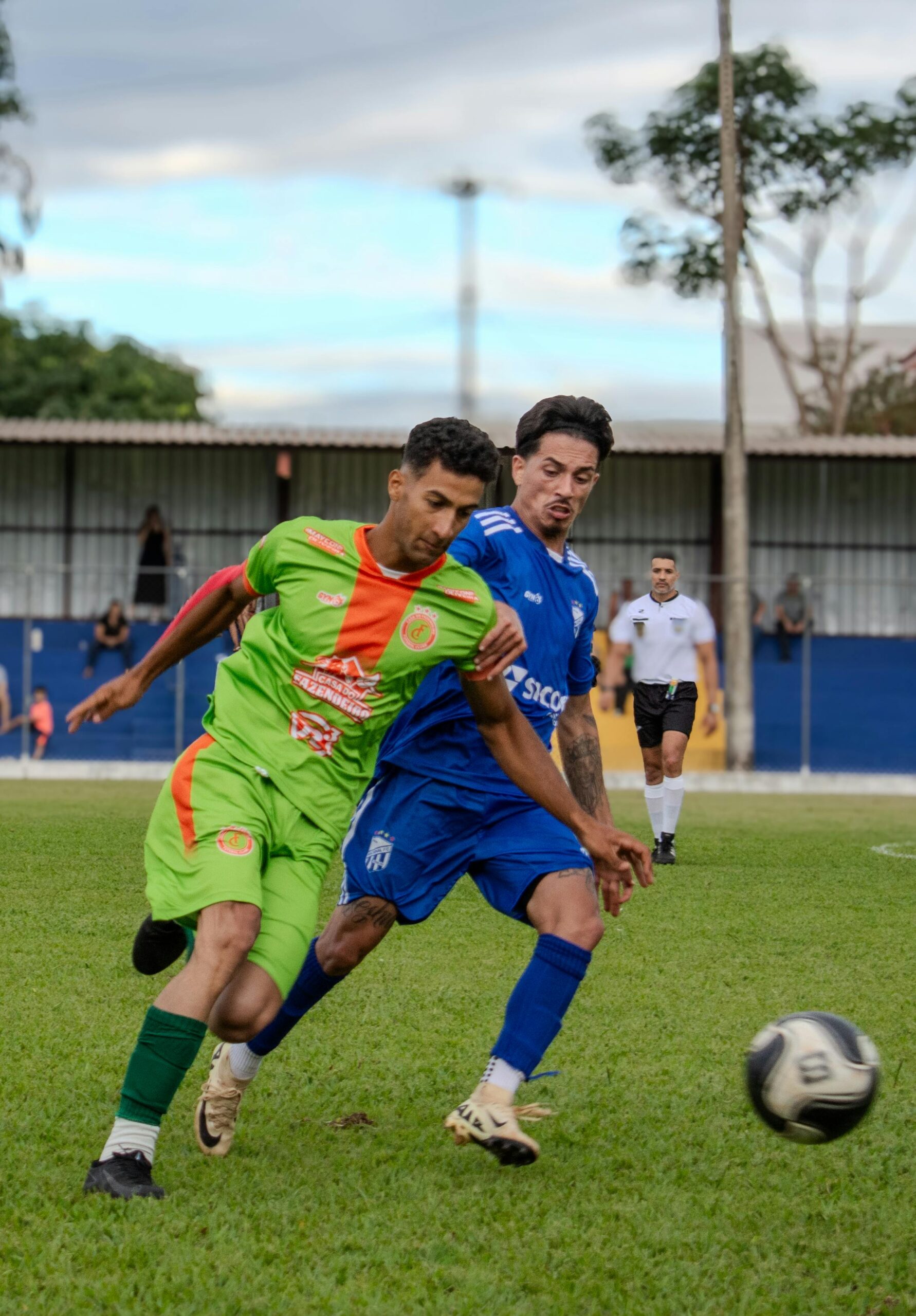
Rapid improvement requires surgical precision. It requires stripping away the chaos of a full scrimmage and isolating the exact micro-mechanics holding a player back. Proper private training provides thousands of concentrated, corrected touches in a single hour. Let’s break down exactly how elite one-on-one soccer training accelerates your development and the specific drills that will transform your game faster than team practice ever could.
Why Finding the Right Coach Matters for Athlete Development
Choosing the right private coach completely changes your timeline for success. I’ve seen incredibly athletic players plateau for years because their club coach never had the time to fix their weak-foot passing. Once we isolated that flaw in a one-on-one setting, their game exploded in a matter of weeks.
When you invest in a high-quality private coach, the performance impact is massive and immediate:
- Unshakeable Confidence: A great coach builds your technical foundation so thoroughly that you stop thinking about your feet. When an athlete fully trusts their ball control, they play with their head up, demanding the ball in tight spaces instead of hiding from the play.
- Elite Game Performance: Private coaching bridges the gap between stationary cone drills and live match intensity. We teach you how to scan the field, adjust your body shape before the pass arrives, and execute the perfect first touch away from a closing defender.
- Long-Term Development: Good trainers prioritize biomechanical efficiency. Teaching proper striking technique, safe deceleration, and dynamic balance prevents common knee and ankle injuries, keeping you healthy for the grueling demands of college-level recruitment.
Best Drills and Techniques to Expect from a Top-Tier Trainer
If you want to improve your skills fast, your private lessons cannot just be a coach feeding you shots at an empty net. You need dynamic, game-realistic isolation drills that force your brain and feet to work at maximum speed. Here are 5 essential drills an elite coach will use to accelerate your growth:
1. The “Half-Turn” Receiving Drill
- How to perform it: The coach passes the ball firmly to the athlete, who is positioned sideways (on the half-turn) between two cones. The athlete must check their shoulder, receive the ball across their body with their back foot, and immediately accelerate into open space.
- Why it works: The fastest way to speed up your play is to eliminate unnecessary touches. Receiving on the half-turn allows you to transition from defense to attack in a single fluid motion.
- Coaching tips: Keep your hips open to the field. Let the ball roll across your body to your back foot; do not stop it dead with your front foot.
- Common mistakes: Standing flat-footed and facing the passer squarely, which completely closes off your field vision and slows down the play.
2. The 1v1 Reactive Agility Square
- How to perform it: The coach and athlete stand inside a 10×10 yard grid. The coach acts as a live defender. On the whistle, the athlete must use explosive changes of direction and sharp ball control to keep the ball away from the coach for 30-second intervals.
- Why it works: This builds genuine close control and shielding ability under extreme physical pressure, forcing the player to make split-second decisions to protect the ball.
- Coaching tips: Use your body to shield the ball. Keep your center of gravity low and keep the ball glued to the outside of your foot, furthest from the defender.
- Common mistakes: Panicking and kicking the ball away, or trying to do flashy step-overs instead of simply putting their body between the defender and the ball.
3. The Weak-Foot Driven Pass Isolation
- How to perform it: The athlete and coach stand 20 yards apart. The athlete is strictly forbidden from using their dominant foot. They must strike 20 driven, low passes directly to the coach’s chest using only their weak foot.
- Why it works: You cannot play high-level soccer if you are a one-footed player. Defenders will simply force you onto your weak side. Forcing thousands of weak-foot reps in a private setting is the fastest way to become a complete player.
- Coaching tips: Plant your non-kicking foot directly next to the ball, pointing at your target. Strike through the center of the ball with your laces, keeping your chest down.
- Common mistakes: Leaning back and swinging wildly with the hip rather than locking the ankle and using proper knee snap.
Connect with a Private Soccer Coach: https://athletesuntapped.com/browse/soccer/
4. The Aerial Control and Finish
- How to perform it: The coach throws or punts the ball high into the air. The athlete must track the flight of the ball, cushion it out of the air using their chest, thigh, or laces, and finish a shot on goal within two seconds.
- Why it works: Matches are chaotic, and the ball spends a lot of time in the air. Players who can bring the ball down cleanly and instantly transition into an attacking move stand out immediately to scouts.
- Coaching tips: Read the flight early and get your feet set. Withdraw your chest or foot right at the moment of impact to absorb the ball’s kinetic energy.
- Common mistakes: Stiffening up upon contact, causing the ball to bounce five yards away into the path of an oncoming defender.
5. The Scan-and-Play Color Drill
- How to perform it: The coach stands in front of the athlete to pass the ball. Behind the athlete are four different colored cones. Before the coach passes, they yell a color. The athlete must shoulder-check, find the cone, receive the pass, and dribble aggressively to that specific cone.
- Why it works: Soccer is played with the brain first and the feet second. This drill trains the nervous system to process external visual information while simultaneously executing high-level ball control.
- Coaching tips: Take your eyes off the ball while it is traveling toward you to scan your surroundings.
- Common mistakes: Waiting until the ball is already at their feet before looking up to figure out where they are supposed to go.
Common Mistakes Athletes Make When Trying to Improve Fast
When players are desperate to improve quickly, they often develop terrible training habits that actually set them back. Here are the most common traps to avoid:
- Practicing Flashy Moves Instead of Fundamentals: You do not need to learn a “rainbow flick” to make the varsity team. You need a flawless first touch, a heavy driven pass, and the stamina to make overlapping runs. Spend your time mastering the boring basics.
- Going Through the Motions: Doing a drill at 50% speed will not help you in a game. Private lessons must be executed at match intensity. If you aren’t sweating and breathing heavily during your technical work, you aren’t pushing your nervous system to adapt.
- Ignoring the Weak Foot: It is uncomfortable to practice with your non-dominant foot, which is why most players avoid it. If you want to improve fast, dedicate 50% of your private training solely to your weak foot. The results will shock you.
- Expecting the Coach to Do the Work: A private coach is a guide, not a magician. If you take a one-hour lesson on Tuesday but don’t touch a soccer ball again until next Tuesday, you will not improve. You must take the homework the coach gives you and execute hundreds of reps in your backyard.
How Private Coaching Accelerates Improvement
In a standard team environment, your development is severely limited by the sheer number of players on the field. A club coach’s priority is preparing the team’s tactical shape to win games, leaving almost no time for individualized technical correction.
Private coaching accelerates improvement because it provides a relentless, personalized feedback loop. If your plant foot is too far away from the ball when you cross it, an elite private coach catches it instantly. We stop the drill, physically adjust your body mechanics, and run it again until the muscle memory is locked in. This environment prevents bad habits from cementing and provides a massive volume of highly corrected touches. By hyper-focusing on your individual flaws, private coaching gives you the technical foundation required to step back into your team environment and completely dominate.
Find a Private Soccer Coach: https://athletesuntapped.com/browse/soccer/
Frequently Questions About Soccer Private Lessons: Improve Your Skills Fast
How fast can I see improvement from private soccer lessons?
If you are combining a weekly private lesson with 3 to 4 days of individual backyard practice, you will notice a significant improvement in your first touch and confidence within 4 to 6 weeks. Real, permanent changes to muscle memory take time, but the initial boost in ball comfort happens rapidly.
Are private soccer lessons worth it for beginners?
Yes. Beginners actually see the fastest rate of improvement because they are “blank slates.” A private coach ensures they learn the correct mechanics from day one—like locking their ankle when passing or receiving with their back foot—preventing them from developing bad habits that take years to undo later.
How often should I take private lessons to improve quickly?
For the fastest results without burning out, taking one private lesson per week is ideal. The crucial factor is what you do between those sessions. The coach diagnoses the issues and teaches you the proper mechanics; it is your job to perform the repetitions at home.
What should I practice at home between private sessions?
Focus heavily on wall ball. Find a brick wall and practice passing and receiving with both feet. Work on your juggling to improve aerial control and ankle flexibility. Repeat the exact technical isolation drills your private coach ran you through during your lesson.
Do private coaches help with soccer conditioning?
Yes, but elite coaches do it with the ball at your feet. Running track sprints won’t make you a better soccer player. Top-tier trainers use high-intensity interval drills that combine explosive agility, sprint recovery, and complex ball manipulation to build match-specific fitness.
Conclusion
Searching for “soccer private lessons: improve your skills fast” proves you have the drive to reach the next level. Now, you need the right environment to make it happen. Stop settling for team practices where you can hide in the crowd, and avoid trainers who just want to run you through generic cone drills. You need a dedicated instructor who understands biomechanics, demands a flawless first touch, and provides the intense, game-realistic repetitions your club coach doesn’t have time for. When you commit to a top-tier private coach and match their instruction with relentless work ethic, your improvement won’t just be fast—it will be undeniable.
About Athletes Untapped
Athletes Untapped connects athletes of all sports with experienced private coaches who specialize in mental performance, sports psychology concepts, and competitive mindset training. Through personalized instruction and structured training plans, AU coaches help athletes eliminate performance anxiety, master their internal dialogue, and completely dictate their emotional response to adversity.
Find an experienced coach near you: https://athletesuntapped.com
Learn from our very best AU coaches!


