
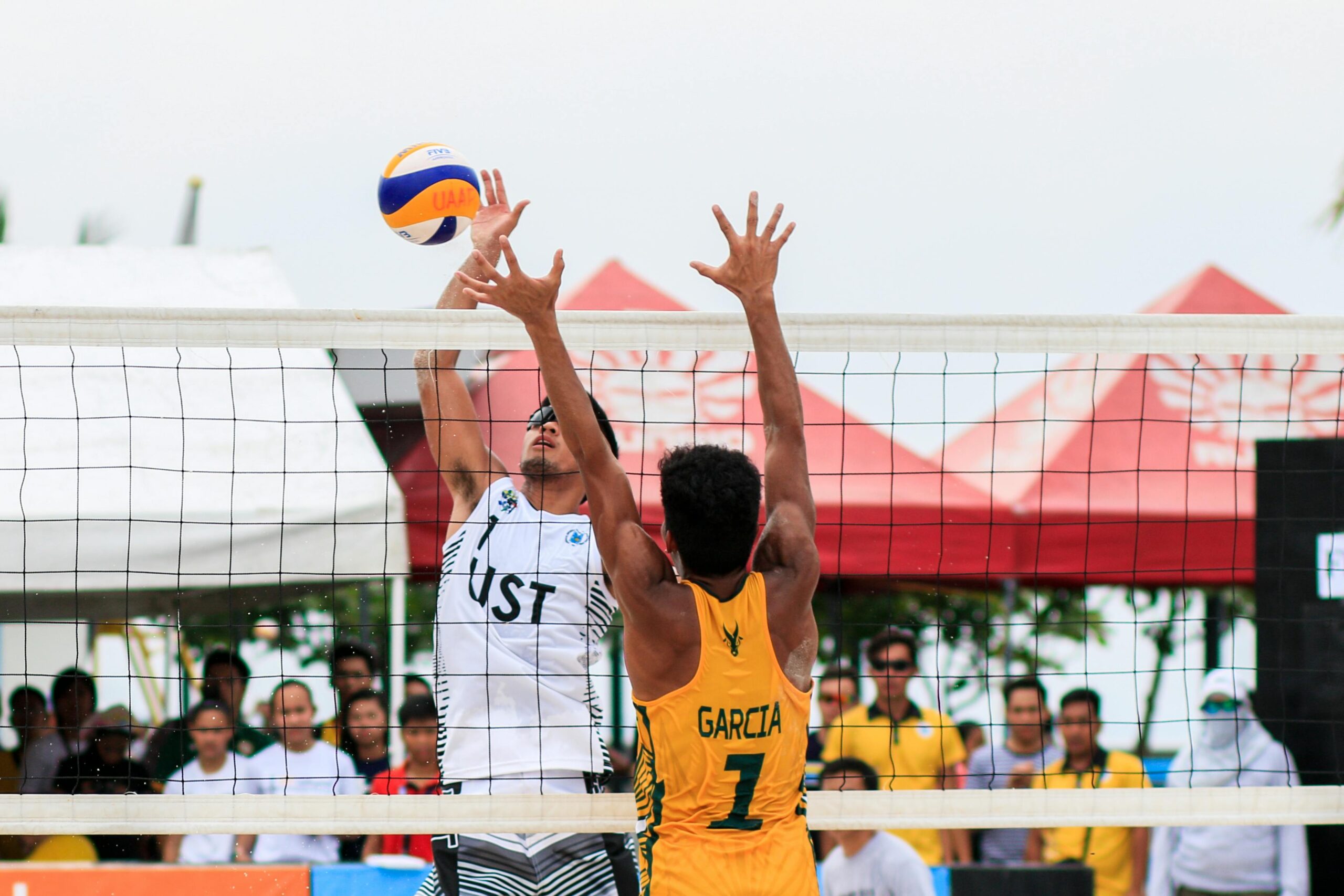
In volleyball, the glory goes to the hitters, but the game is won by the passers. At Athletes Untapped, we constantly remind players that without a quality first contact, the most powerful offense in the world is completely useless. Serve and receive is the foundation of every single point. It is not just about keeping the ball off the floor; it is about delivering it to the setter with perfect trajectory and location so they can run a dynamic offense.
Many players get anxious in serve receive, treating the incoming ball like a threat rather than an opportunity. The key to overcoming this anxiety is building a technically sound, repeatable passing motion. When your footwork and platform mechanics are locked in, you stop guessing and start reading the server. Here is how to build a rock-solid serve receive and keep your team in system.
Connect with a Private Volleyball Coach: https://athletesuntapped.com/browse/volleyball/
Why Serve Receive Efficiency Matters
A team that cannot pass cannot win. It is the most universally accepted truth in volleyball.
Running the Middle: When you pass the ball perfectly to the target, the setter has all three hitting options available. This forces the opposing middle blocker to guess where the set is going, creating one-on-one matchups for your hitters.
Stopping Runs: Volleyball is a game of momentum. A dominant server can rattle off five or six points in a row if your serve receive breaks down. Efficient passing is the only way to side-out quickly and stop the bleeding.
Setter Relief: A poor pass forces your setter to sprint across the court and bump set an unpredictable ball. Consistent passing saves your setter’s energy and allows them to dictate the pace of the game.
Best Drills to Build Passing Consistency
To become an elite passer, you need thousands of repetitions reading the ball’s trajectory and creating the right angles. Here are 4 drills AU coaches use to train serve receive efficiency.
1. The Butterfly Drill (Continuous Reps)
How to perform it: Servers are on both sides of the net. Passers are also on both sides, with a target (setter) at the net. The server serves the ball, the passer passes to the target, and then players rotate to the next line. Why it works: This is a classic volleyball drill because it maximizes touches. It forces passers to constantly track a live serve and adjust their feet in a game-like rhythm. Coaching Tip: Keep your movements quiet. The less your head bounces while moving to the ball, the easier it is to track the float or topspin.
2. The 3-Point Scale Target Drill
How to perform it: Place a visual target, like a colored mat or a rolling cart, in the setter’s zone (slightly right of center, about 3 feet off the net). Pass 20 serves. A perfect pass to the target is 3 points, a medium pass is 2 points, and a playable but off-target pass is 1 point. Why it works: It gamifies passing and forces you to focus on the exact location rather than just keeping the ball alive. You cannot improve your efficiency if you do not measure it. Coaching Tip: Focus on the height of the pass. A perfect pass has a high, looping trajectory that drops gently into the setter’s hands.
3. Deep vs Short Recognition
How to perform it: A coach stands on a box on the opposite side of the net and alternates between hitting deep, driving serves and short, dropping serves. The passer must start at a base position and react forward or backward. Why it works: The hardest part of passing is the forward and backward movement. This drill trains your eyes to read the server’s arm speed and hand contact to anticipate the depth of the ball. Coaching Tip: Always take your first step with the foot closest to where the ball is going. Never cross your feet when moving forward or backward in serve receive.
4. Wall Passing with Angles
How to perform it: Stand about 10 feet from a wall. Toss the ball against the wall and pass it back. Instead of passing directly in front of you, drop your right shoulder and pass the ball to your left. Then switch sides. Why it works: In a match, the ball is rarely served directly at your midline. You must learn to drop a shoulder and angle your platform to redirect the ball to the target. Coaching Tip: Shrug your shoulders toward your ears to lock your platform in place. Do not swing your arms.
Common Mistakes Passers Make
Our coaches see a lot of broken mechanics when the serving pressure ramps up. Here are the most common serve receive errors to avoid.
- Swinging the Platform: This is the number one cause of shanked passes. Players try to hit the ball back up by swinging their arms. The power should come from the legs. The arms just provide the angle.
- Standing Up Early: As the ball approaches, many players instinctively stand up tall. This changes their eye level and ruins their platform angle, causing the ball to shoot tight over the net. Stay low through the entire contact.
- Taking the Ball on the Midline: Trying to pass the ball directly between your legs restricts your movement. You want to pass the ball slightly outside your body frame so you can freely drop a shoulder to angle the pass.
- Frozen Feet: Reacting with the arms instead of moving the feet. You must beat the ball to the spot. If you are reaching, your pass will be inaccurate.
Find a Private Volleyball Coach: https://athletesuntapped.com/browse/volleyball/
How Private Coaching Accelerates Improvement
Serve receive is a skill of minute adjustments. In a team practice, a coach cannot stop the entire drill to fix one player’s left foot or shoulder angle.
This is where private coaching is essential.
A private volleyball coach can:
- Provide targeted serving: We can serve 50 deep floats to your left shoulder until you figure out the exact footwork needed to pass it perfectly.
- Fix posture issues: We use video feedback to show you if you are breaking at the waist or dropping your hands too late.
- Teach seam responsibilities: We explain the communication rules of serve receive so you know exactly which balls are yours and which belong to the libero.
- Build platform trust: We help you build a platform so solid that you trust it even when facing the hardest jump servers in your league.
Frequently Asked Questions about Serve Receive Efficiency in Volleyball
Should I pass a hard serve with my hands or my forearms?
It depends on the trajectory. If the ball is floating high and deep, using your hands (overhead passing) is often more accurate. If the ball is driving flat or dropping short, you must use your forearm platform.
How do I pass a heavy topspin jump serve?
Topspin serves drop fast and hit your platform hard. You do not need to push your legs on a heavy topspin serve. You simply need to build a strong angle and let the ball bounce off your forearms to absorb the pace.
What is a good passing average?
Most coaches use a 3-point passing scale. A team average of 2.0 or higher is generally considered excellent passing efficiency. For an individual primary passer, hitting a 2.2 or 2.3 is elite.
Where should I look right before the serve?
Watch the server’s tossing hand, then their hitting hand, and finally the ball. The toss tells you what kind of serve is coming. A high toss usually means topspin; a low, deliberate toss means a float serve.
Conclusion
Serve receive efficiency is the ultimate test of a volleyball player’s discipline and focus. It requires quiet feet, a loud voice, and a steady platform.
By committing to precise footwork, reading the server early, and learning to angle the ball rather than swing at it, you become the stabilizing force your team needs to run a winning offense.
About Athletes Untapped
Athletes Untapped connects volleyball players with experienced private coaches who specialize in serve receive mechanics, defensive positioning, and overall court IQ. Through personalized instruction and structured training plans, Athletes Untapped helps passers build the confidence and technique to handle any serve.
Find an experienced coach near you: https://athletesuntapped.com
Learn from our very best Coach!


