
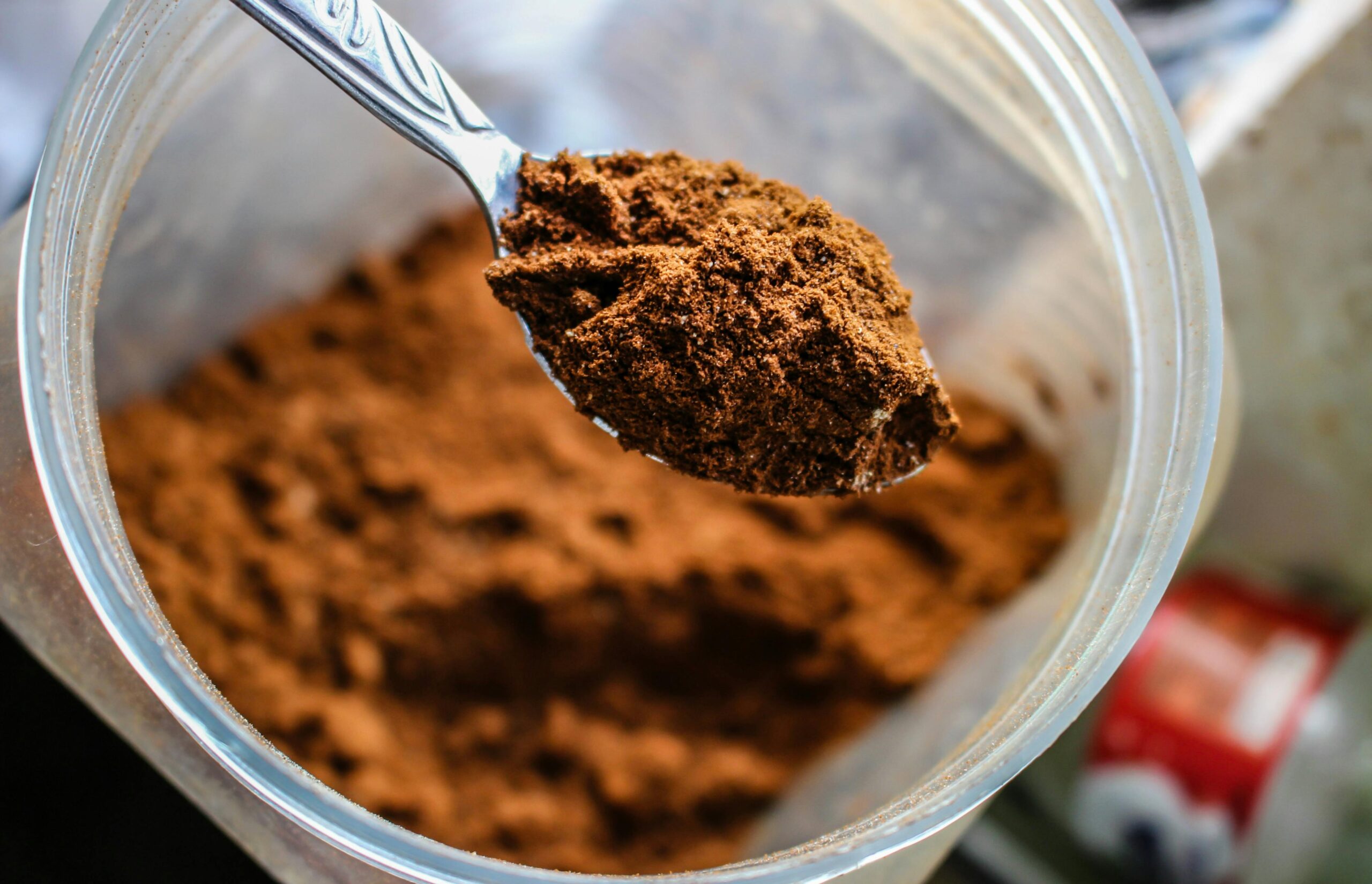
Protein plays an important role in muscle repair, recovery and adaptation to training. Athletes generally need more protein than sedentary adults, with sports nutrition guidelines commonly recommending around 1.2 to 2.0 grams of protein per kilogram of body weight per day, depending on the athlete, sport and training demands.
That doesn’t mean every athlete needs protein powder.
Most people can get the protein they need through foods like eggs, chicken, fish, Greek yogurt, milk, beans, tofu and other protein-rich meals and snacks. Protein powder is mainly about convenience. It can be useful after a workout, between practices or on busy days when getting enough protein from food is difficult.
If you do use one, the amount of protein per scoop isn’t the only thing worth checking. Third-party testing is especially important for competitive athletes. The FDA does not approve dietary supplements for safety or effectiveness before they reach the market.
Programs such as NSF Certified for Sport and Informed Choice provide an additional level of testing. NSF’s program verifies label contents, tests for contaminants and screens for 290 substances banned by major athletic organizations. USADA recommends athletes who choose to use supplements look for reputable third-party certification to help reduce the risk of contamination.
With that in mind, here are four protein powders worth considering in 2026.
Momentous Whey Protein Isolate
Momentous remains one of the stronger choices for athletes who place a high priority on ingredient sourcing and sport-specific testing.
Its current Whey Protein Isolate provides 20 grams of protein per serving from European grass-fed dairy. The formula does not contain artificial sweeteners, gums or fillers, and Momentous uses whey protein isolate rather than a whey concentrate blend.
More importantly for competitive athletes, Momentous Whey Protein Isolate is NSF Certified for Sport. Current Momentous whey products and flavors can also be found directly in NSF’s certification database.
Momentous is typically one of the more expensive options on this list, so it may be more than the average recreational athlete needs. For someone who competes in a drug-tested sport or simply wants a product with sport-specific third-party certification, though, the extra testing is a meaningful benefit.
What stands out:
- 20 grams of whey protein isolate per serving
- European grass-fed dairy
- No artificial sweeteners, gums or fillers
- NSF Certified for Sport
- Several flavor options, including chocolate, vanilla, strawberry and unflavored
View Momentus Whey Protein Isolate
Optimum Nutrition Gold Standard 100% Whey
Optimum Nutrition Gold Standard has been around for decades, and it remains an easy recommendation for athletes who want something widely available and relatively straightforward.
Each serving contains 24 grams of protein and 5.5 grams of naturally occurring BCAAs. Whey protein isolate is the primary protein source, although the formula also contains other forms of whey. It is gluten-free and currently comes in more than 15 flavors.
Gold Standard 100% Whey is also Informed Choice certified, and the product appears in Informed Choice’s current certified-product database.
That combination of protein content, availability, variety and third-party certification makes it a practical choice for athletes who don’t necessarily need the premium positioning of some of the more expensive brands.
What stands out:
- 24 grams of protein per serving
- 5.5 grams of naturally occurring BCAAs
- Whey protein isolate is the primary protein source
- Informed Choice certified
- 15+ flavors
- Widely available
View Optimum Nutrition Gold Standard 100% Whey
Klean Athlete Klean Isolate
Klean Athlete has built its product line specifically around athletes, and Klean Isolate is one of the simplest options on this list.
The unflavored version contains just whey protein isolate and sunflower lecithin and provides 20 grams of protein per scoop. It contains no artificial sweeteners or flavors and is listed as gluten-free and non-GMO.
Klean Isolate is also NSF Certified for Sport, and NSF currently lists multiple versions of the product in its certification database, including unflavored, chocolate, vanilla and strawberry.
The unflavored version is especially useful for athletes who don’t want another heavily flavored shake. It can be mixed into smoothies, oatmeal, yogurt or other foods without changing the flavor much.
What stands out:
- 20 grams of whey protein isolate per serving
- Very short ingredient list in the unflavored version
- No artificial sweeteners or flavors
- Gluten-free and non-GMO
- NSF Certified for Sport
- Unflavored and flavored options available
View Klean Athlete Klean Isolate
Transparent Labs Grass-Fed Whey Protein Isolate
Transparent Labs is another good option for athletes who want a whey isolate with a relatively simple formula but still want plenty of flavor choices.
Its Grass-Fed Whey Protein Isolate provides 28 grams of protein per serving and is sourced from grass-fed cattle. The company does not use artificial sweeteners, artificial colors or artificial preservatives in the product, and the whey is listed as gluten-free and non-GMO.
Transparent Labs also publishes third-party testing information and Certificates of Analysis for its products. Even better, the NSF Certified for Sport database now lists multiple current Transparent Labs Grass-Fed Whey Protein Isolate products and lots, including Milk Chocolate, French Vanilla and other flavors.
Because certifications can vary by product, flavor and lot, competitive athletes should still verify the exact container they plan to use in the NSF database rather than assuming every version is covered.
What stands out:
- 28 grams of whey protein isolate per serving
- Grass-fed dairy
- No artificial sweeteners, colors or preservatives
- Gluten-free and non-GMO
- Third-party testing results available
- Multiple products and lots currently listed by NSF Certified for Sport
- Large selection of flavors
View Transparent Labs Grass-Fed Whey Protein Isolate
Do Athletes Actually Need Protein Powder?
For many athletes, no.
A protein shake doesn’t provide a special advantage simply because the protein comes in powdered form. What matters most is getting enough total protein and overall nutrition throughout the day.
Whole foods also provide nutrients that a scoop of isolated protein doesn’t. Greek yogurt, for example, provides protein along with calcium and other nutrients. Eggs, meat, fish, beans, tofu and dairy can all contribute to an athlete’s daily protein intake.
Protein powder makes the most sense when convenience is the problem. If an athlete has practice immediately after school, struggles to eat enough during a busy day or needs an easy post-workout option, a shake can help fill the gap.
A Note for Parents of Teen Athletes
Protein supplements deserve a little more caution for younger athletes.
The American Academy of Pediatrics notes that most young athletes who eat a healthy, balanced diet do not need protein supplements. The Academy of Nutrition and Dietetics similarly recommends taking a food-first approach for teen athletes and suggests choosing third-party-tested supplements if a supplement is actually needed.
For a growing athlete, the goal shouldn’t simply be adding as much protein as possible. They need enough overall food, carbohydrates, protein, fats, vitamins and minerals to support both training and normal growth.
If you’re considering protein powder for a child or teen athlete, especially for regular use, it’s worth discussing their individual needs with a pediatrician or sports dietitian.
The Bottom Line
Protein powder can be useful, but it should be treated as a convenient supplement to a good diet rather than a replacement for one.
Momentous, Optimum Nutrition, Klean Athlete and Transparent Labs all continue to offer solid protein options in 2026. More important than choosing the trendiest brand is checking the protein source, ingredient list and third-party testing behind the specific product you’re buying.
For competitive athletes in particular, look for products that can be verified through programs such as NSF Certified for Sport or Informed Choice rather than relying only on claims printed on the front of the container.
For more resources and support, visit Athletes Untapped.


