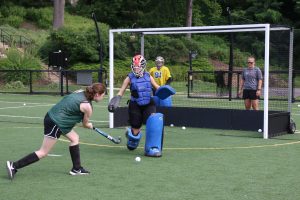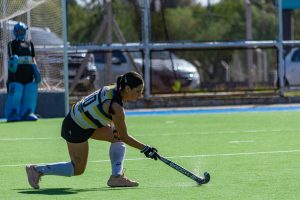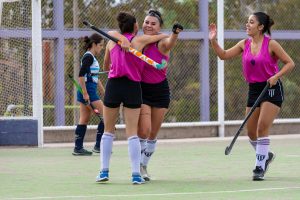
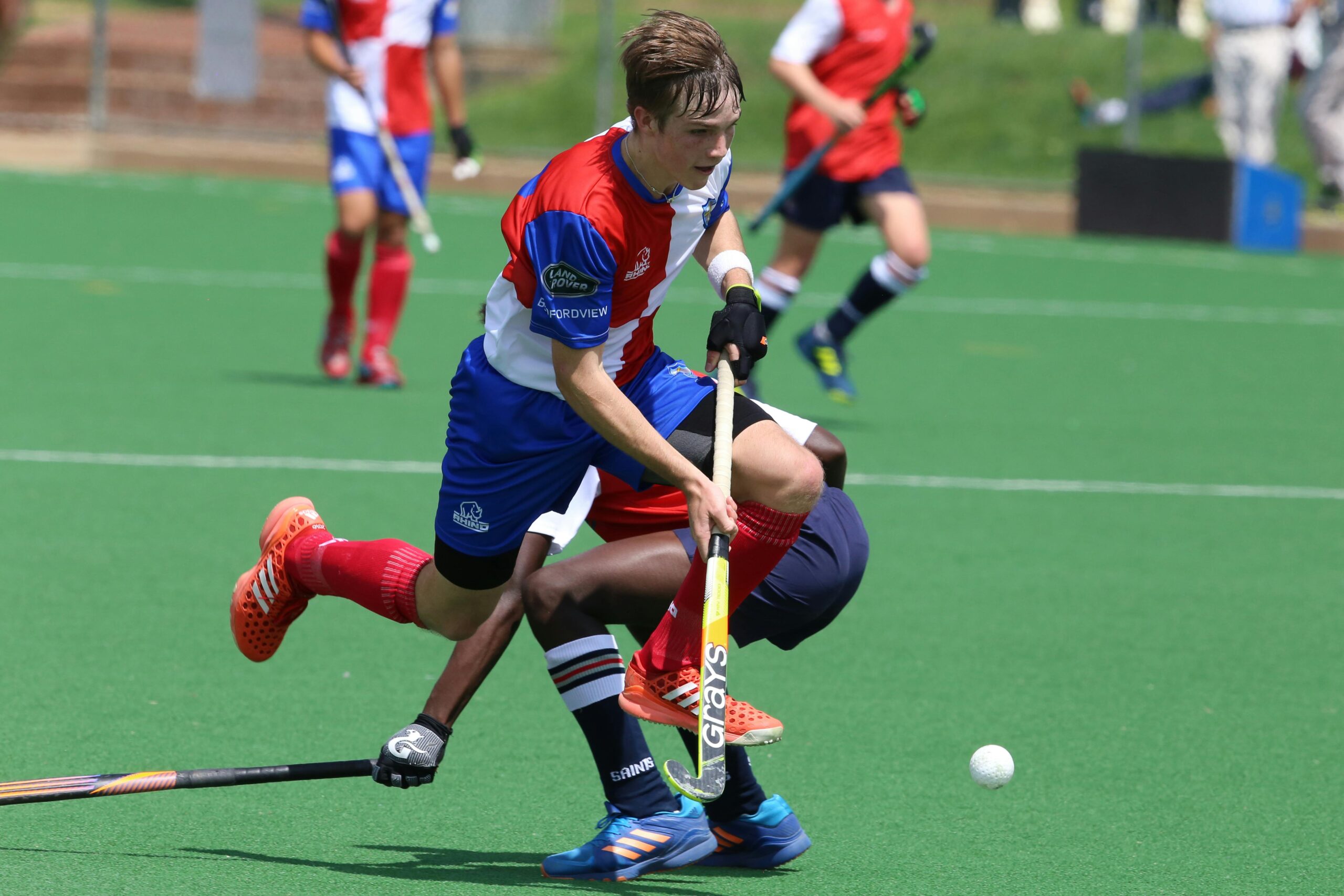
AU coaches have spent over 15 years on the turf, observing the massive gap between players who simply run drills to get through practice and players who use drills to fundamentally change their game. When parents and athletes search for the field hockey training drills used by top coaches, they are usually looking for a secret formula to elevate their play. The truth is, the best coaches in the country do not use wildly complicated, confusing setups. They use highly structured, game-realistic drills that demand absolute perfection in basic mechanics.
Many athletes hit a developmental wall because their team practices rely too heavily on full-field scrimmages. Scrimmaging is great for conditioning, but a player might only touch the ball three or four times in a twenty-minute period. That is not enough volume to build elite muscle memory. Top-tier coaching focuses on high-repetition, isolated drills that force players to master their stick handling, passing accuracy, and defensive positioning under controlled pressure.
Why Elite Training Drills Matter for Athlete Development
Field hockey is one of the most uniquely technical sports in the world because players are restricted to using only the flat side of the stick. This means that poor hand placement or a slight hesitation is instantly punished by a good defender. Developing elite individual skills—like a seamless reverse sweep, fluid 3D ball lifting, and perfectly timed block tackles—translates directly to dominating possession and controlling the tempo of the match.
When a field hockey player trusts the mechanics they have built through high-level drills, their entire field vision opens up. They stop staring down at the ball and start scanning the turf for passing lanes. In-game performance improves because the physical act of trapping and distributing becomes completely automatic. Furthermore, mastering these movements early prevents the poor postural habits that cause chronic lower back and hamstring injuries, ensuring athletes can play aggressively and safely throughout their careers.
Best Training Drills Used by Top Field Hockey Coaches
If an athlete wants to see their turnover rate drop and their offensive impact surge, they must train like the elite. A top-tier AU coach will focus heavily on grip, posture, and game-speed repetition. Here are the foundational drills top coaches use to build elite field hockey players:
- The Box Elimination Drill (Agility and 3D Skills)
- How to perform: Set up a small box using four cones. The athlete dribbles toward the box at game speed, performs a sharp V-drag or a small 3D pop over the edge of the box to eliminate an imaginary defender, and accelerates out the other side.
- Why it works: In tight midfield battles, simply running straight is not an option. This drill forces the player to change direction sharply and use the vertical space (3D skills) to bypass flat defenders.
- Coaching tip: The change of speed after the elimination move must be explosive to actually create separation.
- Common mistake: Slowing down completely to a walking pace before making the move, which allows the defender to easily set their feet and make a tackle.
- The Give-and-Go Shooting Progression (Passing and Finishing)
- How to perform: The athlete starts at the top of the shooting circle, push-passes the ball to a coach or teammate on the baseline, instantly sprints toward the penalty spot, receives a one-touch pass back, and fires a shot on goal.
- Why it works: Stagnant shooting drills do not translate to games. Goals are scored through rapid ball movement and constant off-ball running. This trains the athlete to pass and immediately move into a dangerous scoring area.
- Coaching tip: Keep the stick low to the turf while running to the penalty spot so you are ready to one-touch the shot into the net.
- Common mistake: Standing still and watching the initial pass instead of immediately sprinting to the return spot.
- The Channeling Defensive Drill (Positioning and Patience)
- How to perform: An attacker tries to dribble down a ten-yard wide channel. The defender must backpedal, keeping their stick low, and force the attacker toward the sideline without committing to a tackle until the attacker makes a mistake.
- Why it works: Elite defense in field hockey is not about swinging the stick; it is about steering the attacker into harmless areas. Channeling forces the attacker to the outside, protecting the middle of the field and the shooting circle.
- Coaching tip: Keep your body angled to invite the attacker down the sideline, keeping your stick flat on the ground.
- Common mistake: Lunging forward with a desperate jab tackle, getting beaten easily, and giving the attacker a clear path to the goal.
- The Reverse Stick Sweep Station (Power and Technique)
- How to perform: The athlete lines up multiple balls at the top of the circle. They drop their hips incredibly low, step forward with their right foot, and use a sweeping motion with the reverse side of the stick to drive the ball into the lower corners of the net.
- Why it works: The reverse stick shot (or tomahawk) is one of the most lethal scoring weapons in the sport. Breaking it down into a stationary drill allows the athlete to perfect the highly unnatural grip and wrist rotation required to generate power.
- Coaching tip: The stick must strike the ball just slightly above the ground to keep the shot flat and powerful.
- Common mistake: Standing too upright, which causes the stick to slice down on top of the ball, resulting in a weak, bouncing shot.
Connect with a Private Field Hockey Coach: https://athletesuntapped.com/browse/field-hockey/
Common Mistakes Athletes Make During Training
Even the hardest workers will plateau if they reinforce bad habits during drills. A great AU coach will identify and fix these common mistakes immediately:
- Playing Too Upright: Standing tall with straight legs limits the reach of the stick, makes trapping difficult, and slows down change of direction. Athletes must drop their hips and bend their knees during every single drill until their legs burn.
- Going Through the Motions: Performing an elimination drill at half-speed completely defeats the purpose of the training. Defenders in a real game do not play at half-speed. Every drill must be executed with game-day intensity.
- The Death Grip: Squeezing the stick tightly with the bottom right hand prevents the stick from turning for the Indian dribble. The top left hand must control the stick face, while the right hand loosely guides the shaft.
- Over-Dribbling: Drills that focus on dribbling often make players think they should hold the ball longer in games. Top coaches remind players that the ball moves significantly faster than any human can run. Passing early is almost always the better option.
How Private Coaching Maximizes Training Drills
Running drills with a team of twenty players means a lot of standing in line and very little individualized feedback. A high school coach cannot pause a rapid-fire shooting drill to show a single forward exactly why their hands are out of position on a sweep. This is exactly where private field hockey coaching maximizes development.
In a one-on-one setting, an AU coach can run these elite drills and break down the athlete’s posture frame by frame. If a midfielder is constantly losing the ball on the reverse trap, a private coach can instantly adjust their grip and correct their stick angle. This hyper-focused environment builds immense confidence, fixes footwork issues instantly, and gives the field hockey player the exact blueprint they need to execute these drills perfectly on their own time.
Frequently Asked Questions About Field Hockey Drills
How Often Should Field Hockey Players Do Training Drills?
To see rapid improvement in ball control and mechanics, AU coaches recommend doing focused stick-work drills for at least twenty to thirty minutes, four to five days a week. Repetition is the ultimate equalizer in field hockey.
What Are the Best Field Hockey Drills for Beginners?
Beginners should focus entirely on foundational control before moving to complex shooting or 3D skills. The straight dribble, basic push passing against a wall, and the stationary Indian dribble are the most important drills to master in the first year of playing.
Can You Practice Field Hockey Drills Without a Goal?
Absolutely. Most elite field hockey drills do not require a net. Cones, a smooth patch of turf or grass, and a rebounder or a brick wall are all an athlete needs to perfect their passing, trapping, and elimination skills.
How Do Top Coaches Improve Hitting Power?
Power comes from technique and weight transfer, not just arm strength. Top coaches use drills that force the athlete to step aggressively into the hit, transferring their body weight from the back foot to the front foot while keeping the stick head accelerating through the ball.
What Equipment Is Needed for Field Hockey Training?
Athletes need their field hockey stick, a mouthguard, shin guards, and turf shoes or cleats. Having five to ten practice balls is incredibly helpful so the athlete does not have to chase a single ball after every shot or pass.
Find a Private Field Hockey Coach: https://athletesuntapped.com/browse/field-hockey/
Conclusion
Mastering field hockey requires elite stick control, a deep understanding of angles, and flawless body mechanics. Running the same drills that top coaches use is the fastest way to build those traits. Players need an instructor who will demand perfection in their posture, force them to get low to the turf, and hold them accountable to game-speed repetitions. When athletes prioritize crisp passing, strong trapping, and sharp elimination moves over mindless running, they elevate their game to an entirely new level. Put in the extra reps, trust the drills, and dominate the turf.
About Athletes Untapped
Athletes Untapped connects athletes of all sports with experienced private coaches who specialize in mental performance, sports psychology concepts, and competitive mindset training. Through personalized instruction and structured training plans, AU coaches help athletes eliminate performance anxiety, master their internal dialogue, and completely dictate their emotional response to adversity.
Find an experienced coach near you: https://athletesuntapped.com
Learn from our very best AU coaches!