
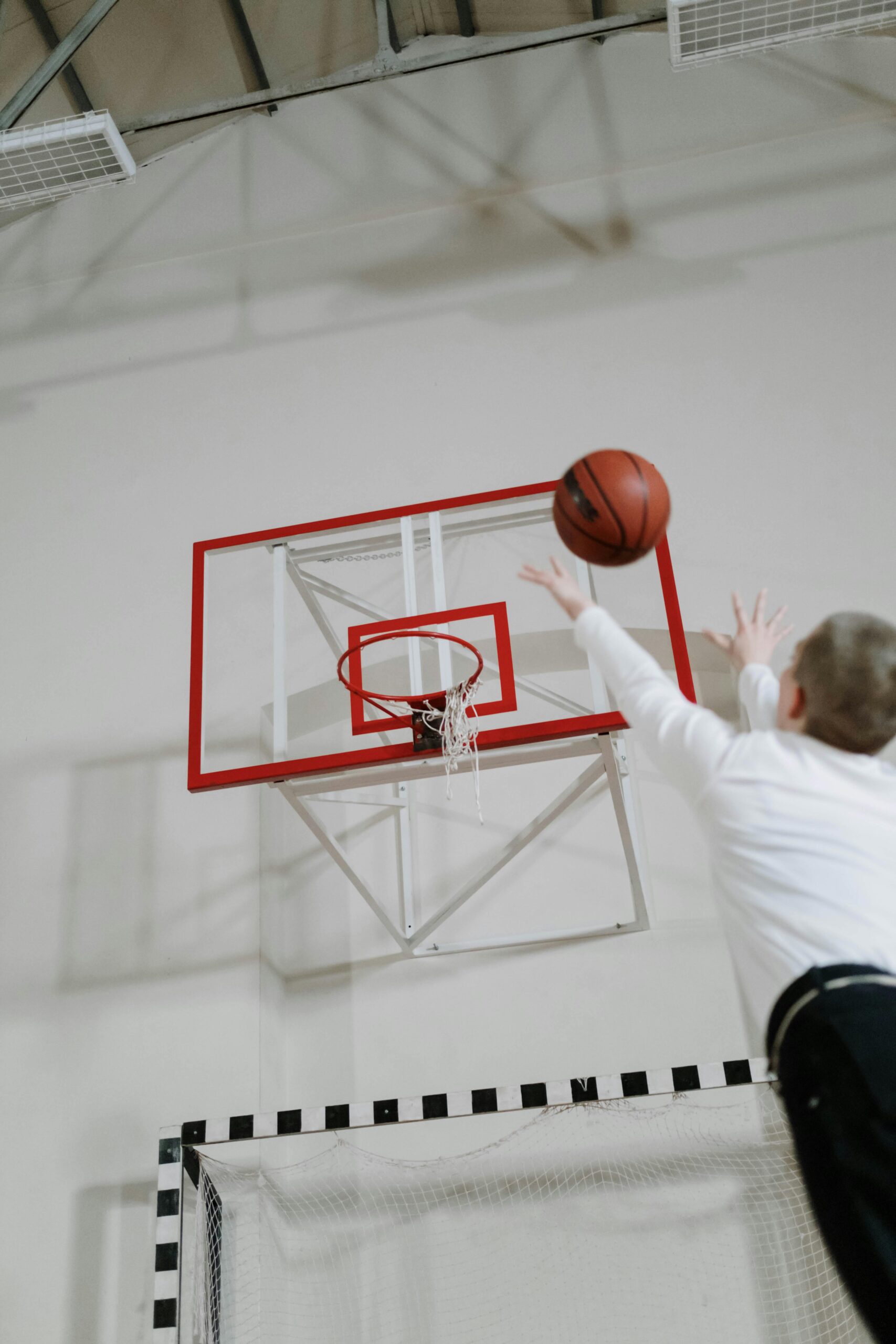
If you are exhausted from endlessly scrolling through search results and typing “finding a basketball coach near me made easy,” you are not alone. Navigating the massive youth basketball landscape—especially with the highly competitive circuits across Tarrant County and the broader DFW metroplex—can feel like a full-time job. You want the best for your athlete, but figuring out who is a genuine teacher of the game versus who just knows how to run a tiring workout is incredibly frustrating.
As a coach with over 15 years of experience developing youth, high school, and college basketball players, I see the result of bad coaching choices every season. An athlete will spend an entire summer playing 50 games for a local club team, but when the school season starts, their left hand is still weak and their jump shot still has a hitch.
Playing more games does not fix fundamental flaws. Proper private training is the only way to surgically correct bad habits. An elite coach strips away the chaos of a 5-on-5 scrimmage, breaks down your specific biomechanics, and builds an unbreakable kinetic chain. Let’s dive into exactly what elite, one-on-one basketball instruction looks like, and how you can cut through the noise to find the perfect coach for your athlete.
Why Finding the Right Coach Matters for Athlete Development
Choosing the right private coach completely dictates a player’s long-term trajectory. I have evaluated incredibly fast, athletic players who were cut from their varsity teams simply because their previous trainers never taught them how to play off two feet in the paint or how to make a correct defensive rotation.
When you invest in high-quality, individualized coaching, the performance impact is undeniable:
- Unshakeable Confidence: The basketball court is intimidating when you don’t trust your skills. A great coach builds a foundation of technical certainty. When an athlete mathematically understands their footwork and shot release, they catch the ball ready to attack instead of freezing under pressure.
- Game Performance: Elite coaches bridge the gap between stationary cone drills and live-game intensity. We teach athletes how to read the floor, how to use change-of-pace dribbling to freeze a defender, and how to execute game-speed pull-up jumpers.
- Long-Term Development: Good coaches prioritize biomechanical efficiency and injury prevention. Teaching a player to jump, land, and decelerate safely protects their knees and ankles, keeping them healthy for the grueling demands of high school and college seasons.
Find a Private Basketball Coach: https://athletesuntapped.com/browse/basketball/
Best Drills and Techniques to Expect from a Top-Tier Coach
When you evaluate a potential private coach, watch the first 20 minutes of their session closely. If they just have your athlete shooting unstructured three-pointers while they rebound and check their phone, you are wasting your money. Elite coaches use targeted isolation drills. Here are 5 essential drills a high-quality coach will use:
1. The Change-of-Pace “Hesi” Isolation
- How to perform it: The athlete attacks downhill toward the coach. At the free-throw line, they execute a sharp “hesitation” (hesi)—dropping their hips, bringing their off-hand near the ball, and looking directly at the rim to sell the shot—before exploding past the coach for a layup.
- Why it works: Raw speed is easy to guard; changing speeds is impossible to guard. This drill teaches players how to manipulate a defender’s momentum by freezing them with a realistic shot fake on the move.
- Coaching tips: Sell the fake with your eyes and shoulders. If you stand straight up during the hesitation, you lose all your explosive forward momentum.
- Common mistakes: Carrying the basketball during the hesitation pause, or failing to drop the hips to accelerate after the fake.
2. The Post-Up Drop Step Progression
- How to perform it: The athlete catches the ball on the block with their back to the basket. They take one hard pound dribble between their legs, instantly drop their baseline foot to seal the defender, and explode up for a power layup off the glass.
- Why it works: Every player, regardless of size, needs to know how to score in the paint. The drop step is the most fundamental and unstoppable post move when executed with the correct angles.
- Coaching tips: Keep the ball tucked tightly under your chin after the gather. Do not swing it down by your waist where guards can strip it.
- Common mistakes: Taking a narrow drop step, which fails to seal off the defender and leads to a blocked shot.
3. The Baseline Drift and Catch
- How to perform it: The coach starts at the top of the key and drives hard down the lane line. The athlete starts in the corner and must “drift” along the baseline behind the coach’s drive, catching the kick-out pass shot-ready for a corner three.
- Why it works: Players rarely get to stand still and wait for a pass in modern basketball. You must learn to slide into the ball-handler’s window of vision. This trains high-speed catch-and-shoot footwork.
- Coaching tips: Have your knees bent and your hands up before the ball ever leaves the coach’s hands. Get your feet set in the air as you catch.
- Common mistakes: Drifting out of bounds, or catching the ball flat-footed and needing two seconds to load the legs for the shot.
4. The Two-Foot Jump Stop Finish
- How to perform it: The athlete drives downhill at full speed, but instead of taking a traditional one-footed layup, they aggressively plant both feet simultaneously in the paint (a jump stop), pump fake the rotating shot blocker, and finish strong.
- Why it works: Jumping off one foot in traffic usually results in a charge or a blocked shot. Playing off two feet gives the offensive player absolute balance, power, and the ability to pivot.
- Coaching tips: Land wide and low. Absorb the contact with your chest and shoulders, not your arms.
- Common mistakes: Leaning forward on the jump stop, causing the player’s momentum to carry them into an offensive foul.
5. The Closeout and Defensive Slide Drill
- How to perform it: The athlete starts under the rim. On the whistle, they sprint out to the three-point line to execute a choppy-step closeout, immediately transitioning into three explosive defensive slides backward at a 45-degree angle to cut off the coach’s drive.
- Why it works: Defense is what gets you on the floor in high school. This drill mimics exactly what happens when you close out on a shooter who immediately decides to put the ball on the floor.
- Coaching tips: Chop your steps early to decelerate under control. Keep your hands wide and active.
- Common mistakes: Lunging past the offensive player on the closeout, or crossing the feet during the defensive slide.
Common Mistakes Parents Make When Searching for a Coach
Making the process of finding a coach “easy” means knowing what traps to avoid. Here are the most common mistakes families make during their search:
- Choosing Convenience Over Quality: Hiring a trainer just because they operate out of the gym five minutes from your house is a mistake. If they aren’t actively correcting your athlete’s mechanics, the convenience isn’t worth it. You need a proven educator.
- Prioritizing “Sweat” Over “Skill”: Any adult can make a kid tired by having them run suicide sprints for an hour. Exhaustion is not a measure of a good workout. A great coach spends significant time stopping drills to talk, correct footwork, and adjust mechanics.
- Expecting Overnight Miracles: Rebuilding a broken jump shot takes thousands of correct repetitions. Muscle memory doesn’t rewrite itself in a single 60-minute lesson. Impatience often leads to jumping from coach to coach, which destroys the athlete’s progress.
How Private Coaching Accelerates Improvement
In a standard team environment, your athlete is just a small piece of a larger puzzle. A club coach’s primary job is to prepare the squad to win on the weekend, which means emphasizing formations, out-of-bounds plays, and team defense. They do not have the time to spend 20 minutes adjusting your child’s shooting elbow.
Private coaching accelerates improvement because it provides a relentless, personalized feedback loop. If an athlete’s hips are closed off when receiving a pass, an elite private coach catches it on the very first rep. We stop the drill, physically adjust their body orientation, and run it again until it becomes automatic muscle memory. This focused, one-on-one environment prevents bad habits from cementing and builds incredible self-belief. When a player knows their mechanics are sound, their in-game confidence skyrockets.
Connect with a Private Basketball Coach: https://athletesuntapped.com/browse/basketball/
Frequently Questions About Finding a Basketball Coach Near Me Made Easy
How do I evaluate a basketball coach during the first lesson?
Pay close attention to how much they talk versus how much they just rebound. A great coach will stop the drill frequently to physically correct your grip, stance, or shooting pocket. If they just feed an entire workout without making a mechanical adjustment, they are not actively coaching you.
How much do private basketball coaches usually charge?
Depending on your region, the cost of indoor court rentals, and the specific expertise of the coach, elite private basketball training typically ranges from $60 to $120 per hour.
How often should my athlete take private lessons?
For consistent skill development, taking a private lesson once a week is highly recommended, provided the athlete is also practicing those specific drills on their own 2 to 3 times a week. Advanced players preparing for varsity tryouts often increase this to twice a week.
What age is best to start working with a private basketball coach?
While basic layups and hand-eye coordination can start at ages 7 to 9, bringing in a specialized private coach is highly beneficial around ages 10 to 12. This is the critical window where players are strong enough to shoot correctly but haven’t yet cemented a decade of bad habits.
Is personal training better than joining a club team?
They serve completely different purposes. Club teams are for gaining match experience, understanding game flow, and learning team concepts. Personal training is for breaking down individual flaws (like a broken jump shot or weak left hand). The best development happens when an athlete does both.
Conclusion
Typing “finding a basketball coach near me made easy” is the first step toward taking control of your athlete’s development. Stop settling for crowded team practices where technical flaws go uncorrected, and avoid “trainers” who just want to run exhausting, aimless drills. You need a dedicated instructor who understands biomechanics, prioritizes a flawless fundamental base, and communicates precise, actionable feedback. When you commit the time and find a coach who truly understands the science of the game, your athlete’s confidence and on-court performance will completely transform.
About Athletes Untapped
Athletes Untapped connects athletes of all sports with experienced private coaches who specialize in mental performance, sports psychology concepts, and competitive mindset training. Through personalized instruction and structured training plans, AU coaches help athletes eliminate performance anxiety, master their internal dialogue, and completely dictate their emotional response to adversity.
Find an experienced coach near you: https://athletesuntapped.com
Learn from our very best AU coaches!


