
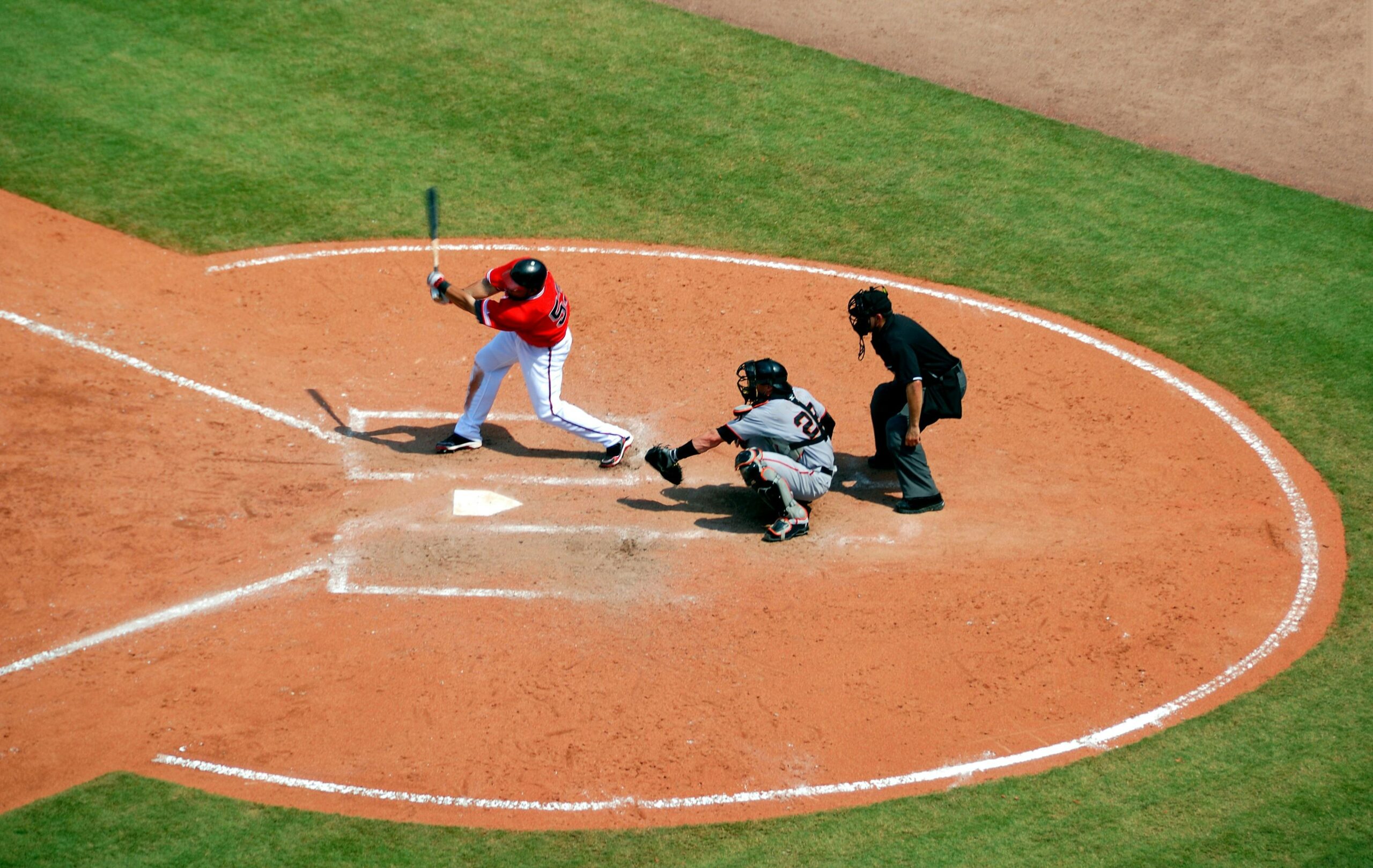
In baseball, the “eye test” used to be the only way to evaluate a player. A coach would watch a swing or a pitch and guess what was going wrong based on intuition.
Today, intuition is not enough. At Athletes Untapped, we know that to unlock elite velocity and power, you have to look beneath the surface. You have to understand how the human body generates, transfers, and applies force. This is the realm of biomechanical analysis.
Biomechanical analysis takes the guesswork out of player development. By studying joint angles, rotational speeds, and ground reaction forces, we can identify the exact millisecond a player loses power or puts their arm at risk. Here is how decoding the body’s mechanics can transform your performance on the diamond.
Connect with a Private Baseball Coach: https://athletesuntapped.com/browse/baseball/
Why Biomechanical Analysis Matters
Whether you are trying to add 5 mph to your fastball or 10 mph to your exit velocity, your body has to move in a highly specific, efficient sequence.
Optimizing the Kinematic Sequence: Power starts in the ground, transfers through the pelvis, up into the torso, out to the arm, and finally to the ball or bat. Biomechanics allows us to measure this sequence. If your torso rotates before your hips, you lose massive amounts of energy.
Injury Prevention: The throwing motion is one of the most violent actions in sports. Biomechanical analysis identifies red flags—like late arm elevation or a collapsing front knee—that place immense stress on the Ulnar Collateral Ligament (UCL) or the shoulder labrum. Fixing these mechanical flaws extends careers.
Objective Baseline Tracking: You cannot improve what you cannot measure. By capturing your biomechanics, you establish a baseline. When you make a mechanical tweak, you no longer have to guess if it worked; the data will tell you immediately if your efficiency improved.
Best Methods to Apply Biomechanics in Training
You do not need to be hooked up to a million-dollar motion capture lab every day to benefit from biomechanical principles. Here are 4 methods AU coaches use with their athletes.
1. High-Speed Video Breakdown
How to perform it: Record a player’s swing or pitch using a smartphone camera capable of 240 frames per second. Capture multiple angles: straight on, from the side, and from behind.
Why it works: The human eye cannot process action at 90 mph. Slow-motion video allows us to pause at critical checkpoints—like foot strike, maximum external rotation, and release point—to analyze posture and joint angles.
Coaching Tip: Always capture video during live, game-like intensity. A player’s mechanics during a casual bullpen session will look vastly different than their mechanics with a batter in the box.
2. The Step-Behind Drill (Momentum Transfer)
How to perform it: A pitcher starts facing the target. They take their back foot and step behind their front foot, then immediately drive forward into a normal pitching delivery.
Why it works: Biomechanics tells us that velocity requires linear momentum converting into rotational energy. This drill forces the body to build forward momentum and efficiently block it with the front leg, transferring that energy directly up the kinetic chain.
Coaching Tip: Focus on a firm front leg block. If the front knee continues to bend and drift forward after foot strike, the energy is leaking into the ground instead of going to the arm.
3. The PVC Pipe Torso Drill (Rotational Sequencing)
How to perform it: A hitter places a light PVC pipe across their shoulders, holding it with both hands. Taking their normal stance, they practice initiating the swing by firing their hips fully open while trying to keep the PVC pipe completely still and pointing sideways.
Why it works: This isolates the separation between the upper and lower body (the X-factor stretch). Biomechanically, maximizing the stretch between the pelvis and the torso acts like a rubber band, creating explosive bat speed when the torso finally fires.
Coaching Tip: Do not let the shoulders spin out early. The hips must lead the way while the hands and shoulders stay back for as long as possible.
4. Connection Ball Throwing
How to perform it: Place a small, inflatable connection ball between the bicep and forearm of the throwing arm. The pitcher goes through their throwing motion and releases the ball. The connection ball should pop out forward right at the release point.
Why it works: This drill provides instant physical feedback on arm path and elbow flexion. If the ball drops out early, the pitcher is likely “pushing” the baseball or extending their arm too soon, which disrupts the biomechanical efficiency of the throw.
Coaching Tip: Keep the arm relaxed. Tension restricts range of motion and destroys the whip-like action required for high velocity.
Common Mistakes Players Make
When athletes try to chase velocity or power without understanding their own mechanics, they often create dangerous habits. Our coaches constantly work to eliminate these specific flaws.
- Early Torso Rotation: Opening the shoulders to the target before the front foot strikes the ground. This destroys the kinetic sequence, forcing the arm to generate all the power and drastically increasing the risk of elbow injury.
- Casting the Hands: In hitting, this means pushing the hands away from the body early in the swing to try and hit the ball harder. It creates a long, slow, sweeping bat path that is highly inefficient. The hands must stay tight to the body’s rotational core.
- Poor Ground Reaction Forces: Relying entirely on upper body strength. The hardest throwers and hitters push into the ground with immense force. If your lower half is passive, you are leaving your best attributes completely unused.
- Artificial Pitch Design: Trying to force the wrist into an unnatural angle to create a new breaking ball. Your biomechanics dictate your natural arm slot. You must design pitches that fit your natural slot, rather than fighting your body’s anatomy.
Find a Private Baseball Coach: https://athletesuntapped.com/browse/baseball/
How Private Coaching Accelerates Improvement
Biomechanical data is incredibly dense. Knowing that your pelvis rotational velocity peaks at 600 degrees per second means absolutely nothing if you do not know how to translate that into a physical adjustment.
This is where private coaching is essential.
A private baseball coach can:
- Translate the Data: We take complex biomechanical concepts and turn them into simple, actionable swing thoughts and physical cues that you can easily digest.
- Identify the Root Cause: If your arm is hurting, the problem is rarely the arm itself. We trace the kinetic chain backward to find the exact mechanical breakdown in your hips or core that is forcing your arm to overcompensate.
- Build Customized Mobility Plans: Sometimes a mechanical flaw is actually a physical limitation. If your thoracic spine lacks mobility, you physically cannot separate your upper and lower body. We design specific stretching and mobility routines to fix the physical roadblock.
- Enforce Repetition: Fixing a biomechanical flaw requires breaking old muscle memory and building new pathways. We provide the structured, supervised repetitions required to make the new mechanics permanent.
Frequently Asked Questions About Biomechanical Analysis in Baseball
At what age should a player start worrying about biomechanics?
The foundational concepts of biomechanics—like stepping toward the target and using the legs—start on day one. However, deep dive, data-driven biomechanical analysis is most beneficial for high school athletes whose bodies have matured enough to handle complex mechanical adjustments safely.
Can biomechanics fix a slump?
Absolutely. Slumps are almost always rooted in a subtle mechanical breakdown. A biomechanical review of your swing on video compared to video of when you were hitting well will instantly highlight the discrepancy.
Do I have to change my entire swing if my biomechanics are bad?
Rarely. Tearing a swing down to the studs is a last resort. Usually, correcting one small piece of the sequence early in the movement (like the initial load) naturally fixes the domino effect of problems that happen later in the swing.
Does lifting weights change my biomechanics?
Yes. Adding muscle mass and strength changes how your body moves and how much force it can absorb. This is why mechanical drills must be paired tightly with strength training programs to ensure the new strength translates efficiently to the field.
Conclusion
Baseball is a game of inches and milliseconds. Understanding the biomechanics of your swing or your delivery gives you the ultimate blueprint for your own body.
By utilizing high-speed video, focusing on rotational sequencing, and transferring energy efficiently from the ground up, you stop fighting your anatomy and start unlocking your true athletic potential.
About Athletes Untapped
Athletes Untapped connects baseball players with experienced private coaches who specialize in biomechanical analysis, pitch design, and swing efficiency. Through personalized instruction and structured training plans, Athletes Untapped helps players optimize their mechanics to increase power, boost velocity, and stay healthy.
Find an experienced coach near you: https://athletesuntapped.com/browse/
Learn from our very best Coach!


