
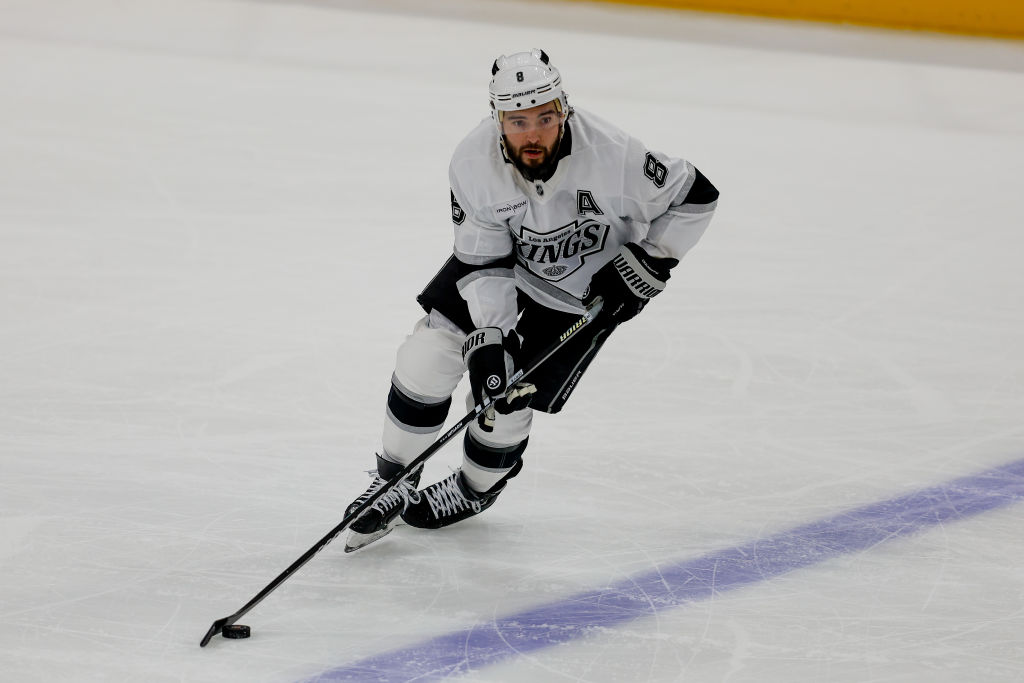
Why Transition Play Is Critical in Modern Ice Hockey
Transition play determines which team controls momentum. Quick transitions turn defensive stops into offensive chances before opponents can reset. Teams that transition well generate odd-man rushes and high-quality scoring opportunities. Speed and decision-making are equally important in this phase.
Common Transition Mistakes in Youth Hockey Players
Many players hesitate after gaining possession. Others force plays up the ice without reading options. These mistakes lead to turnovers and lost momentum. Clean transitions require composure and awareness.
Defensive Zone Retrieval Drills to Start Transitions
Transitions begin with puck retrievals. Drills teach players to shoulder-check, angle their body, and collect the puck efficiently. Strong retrieval habits prevent pressure from trapping players in the defensive zone. Awareness creates time and space.
First-Pass Accuracy Drills for Clean Breakouts
The first pass sets the entire transition in motion. Drills emphasize firm, accurate passes to moving teammates. Players learn to avoid soft clears that lead to turnovers. Clean exits reduce defensive fatigue.
Defensemen Transition Skating Drills
Defensemen must move the puck while managing gaps. Transition skating drills focus on pivoting, acceleration, and puck movement under pressure. Smooth skating keeps plays alive. Confidence improves decision-making.
Forward Support and Outlet Positioning Drills
Forwards must present clear passing options. Support drills teach proper spacing and timing in the defensive zone. Strong outlets make transitions predictable and efficient. Team structure improves consistency.
Neutral Zone Transition Drills for Speed and Spacing
The neutral zone is where transitions succeed or fail. Drills focus on skating lanes, puck support, and timing. Players learn when to carry the puck versus when to pass. Smart spacing prevents turnovers.
Quick Counterattack Drills for Odd-Man Rushes
Counterattacks happen fast. Drills teach players to recognize numbers advantages and attack decisively. Communication and puck movement are emphasized. Execution turns chaos into scoring chances.
Transition Drills Under Forechecking Pressure
Pressure exposes weaknesses. Forecheck-based drills force quick decisions and controlled puck movement. Players learn to stay calm and structured. Confidence grows with repetition.
Transition Conditioning Drills for Game Realism
Transitions happen when players are tired. Conditioning-based transition drills simulate late-shift scenarios. Players maintain structure under fatigue. Execution improves late in games.
Being a conditioned player means that you’re a better player. Read this blog to learn how to improve your conditioning to excel on the ice!
Why Strong Transition Play Improves Team Identity
Teams with strong transitions play faster and more confidently. Opponents struggle to sustain pressure. Momentum shifts quickly. Identity forms through repetition.
Coaching’s Role in Transition Development
Coaches emphasize reads and spacing. Video and feedback accelerate learning. Structured systems build trust. Consistency comes from repetition.
Final Thoughts on Ice Hockey Transition Training
Transitions win games. Players who execute quickly and calmly create advantages. Preparation turns chaos into opportunity. Confidence follows structure.
About Athletes Untapped
Athletes Untapped connects ice hockey players with experienced private coaches who specialize in transition play, puck movement, and game-speed decision-making. Personalized training helps athletes turn defense into offense efficiently.
Find an experienced coach near you: https://athletesuntapped.com
Learn from our very best Coach Victor and Coach Dustin.


