
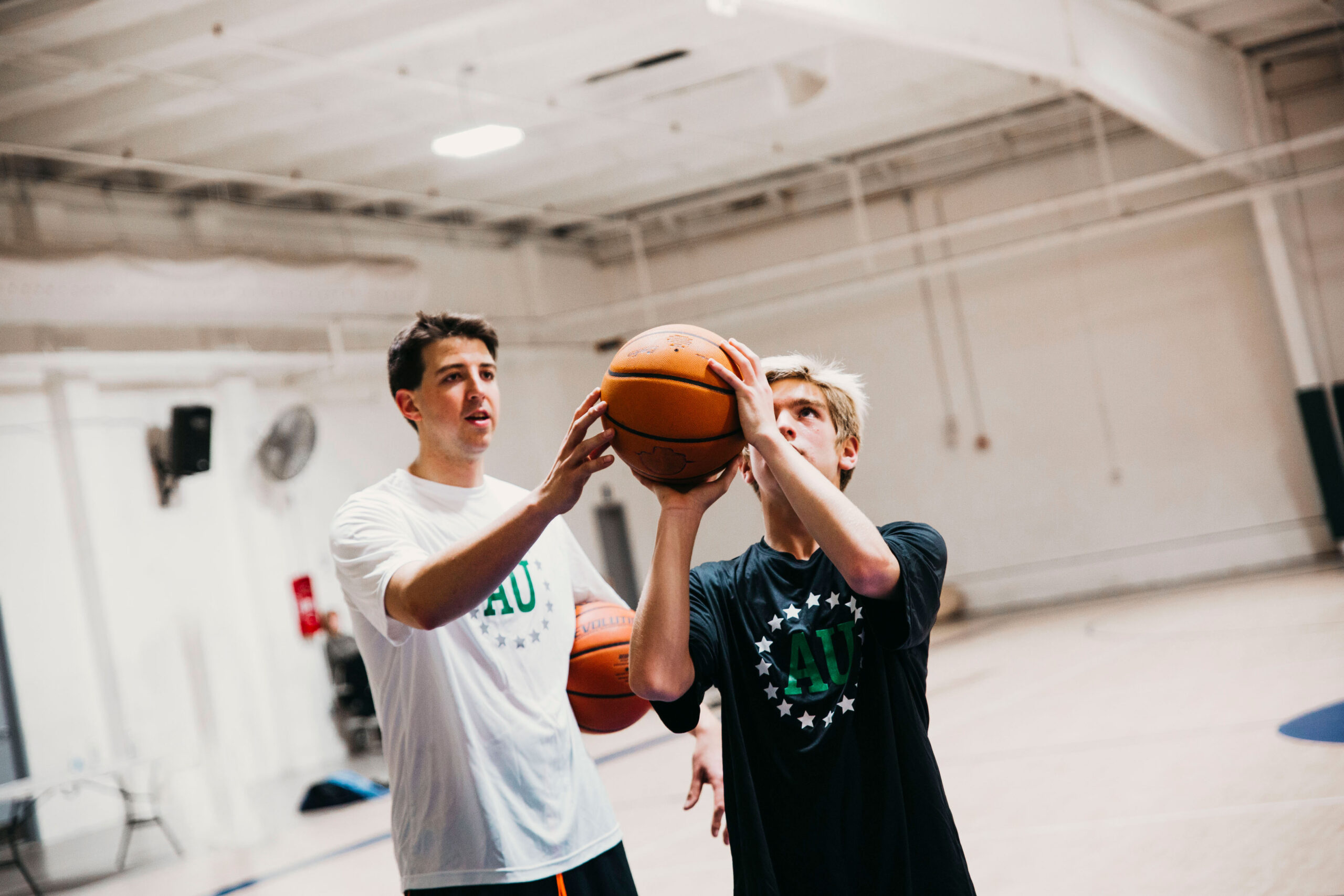
Private sports coaching is increasingly moving toward the same kind of online discovery that has changed many other local services. Parents can search by sport and location, compare coaches, learn about their backgrounds, see pricing and book individual training without already knowing someone in the local sports network.
The coaching still happens on a field, court, rink or in a gym, but what has changed is how families find it.
Youth Sports Are Becoming More Specialized…and More Expensive
The rise of private coaching is happening within a much larger change in youth sports.
According to the Aspen Institute’s Project Play, the average U.S. sports family spent $1,016 on one child’s primary sport in 2024, a 46% increase from 2019. When spending on additional sports was included, the average approached $1,500 per child.
Project Play estimates that parents now spend more than $40 billion annually on their children’s sports activities. Higher team fees, travel, lodging, camps and individual private instruction have all contributed to the increase.
That doesn’t mean every athlete suddenly needs a private coach, but it does show how much the youth sports landscape has changed.
Families are spending more money and time around sports, while athletes are often playing in increasingly competitive environments. At the same time, team practices still have an obvious limitation: one coach may be responsible for 10, 15 or 20 athletes at once.
Individual training fills a different role.
- A basketball player might want 45 minutes focused entirely on shooting mechanics.
- A quarterback may need position-specific footwork that the rest of the team doesn’t practice.
- A soccer goalkeeper might get relatively few meaningful repetitions during a normal team session.
Private coaching gives those athletes a place to work on something specific.
The Big Change Isn’t Coaching. It’s Access to Coaching.
Private lessons have existed for decades, what’s changing is the infrastructure around them.
Athletes Untapped, for example, allows families to search for private sports coaches by sport and location, review individual profiles, communicate with coaches and book lessons through the same platform.
That’s an important distinction when we talk about “on-demand coaching.”
It doesn’t necessarily mean an athlete clicks a button and a trainer appears immediately, it means the family doesn’t have to already belong to the right club, know the right coach or rely entirely on word-of-mouth to begin looking, and that opens up a much larger pool of potential matches.
A parent can compare a current college athlete who specializes in working with beginners against an experienced high school coach or former professional player. They can look at price, background, location and availability before deciding whom to contact.
For something as personal as coaching, more information before the first session can matter.
Families Don’t Always Want Another Year-Round Commitment
An athlete might have school practice several days a week, club games on weekends, tournaments, strength training and another sport during a different season. Adding another full training program isn’t always what the family needs.
- Sometimes the athlete needs four pitching lessons before the season.
- Sometimes a basketball player wants several workouts leading into tryouts.
- Sometimes a tennis player has one specific technical issue they’d like someone to look at.
A session-by-session model gives families more control over that decision. They can use individualized coaching when there is a reason for it instead of automatically committing to another season-long program.
That flexibility matters in a youth sports system that already asks a great deal of parents’ schedules. Project Play’s national parent research found that families spend more than three hours on their child’s sports on an average day when that child participates.
Private coaching isn’t necessarily reducing that commitment, but making coaches easier to find, compare and schedule can remove some of the logistical friction around it.
It Also Creates a Different Path for Former Athletes
The marketplace model changes things on the coaching side too.
There are thousands of former college athletes whose competitive careers end without sports disappearing from their lives. Many have knowledge that could be valuable to younger players but don’t necessarily want, or have the opportunity, to become full-time school or club coaches.
Private training offers another option.
An athlete finishing a college basketball career might coach several evenings per week while beginning a different career. A former college soccer player could build a larger training business over time. An experienced coach might use private lessons alongside an existing team role.
Athletes Untapped was built out of that experience. Founders Gene and Elaine Williams both played college sports and began private coaching after their competitive careers, eventually creating the platform after experiencing the challenges involved in finding clients and managing a private coaching business.
Today, coaches on the platform set their own rates, schedules and training locations while using AU for functions such as client discovery, communication, booking and payments. That makes private coaching more accessible as a business opportunity too, not only as a service families purchase.
Online Discovery Makes Trust More Important, Not Less
There is an obvious downside to moving away from pure word-of-mouth.
A personal referral comes with some built-in trust, an online profile has to earn it.
That makes vetting increasingly important for any marketplace working with youth athletes.
Athletes Untapped requires coaches to complete a background check as part of its onboarding process before they begin training athletes through the platform. Coaches also create profiles describing their playing and coaching background so families can evaluate potential matches before booking.
Those systems matter because playing experience by itself doesn’t guarantee someone will be a good youth coach.
A former professional may have extraordinary sport knowledge but little experience explaining skills to a 10-year-old. Another coach with a less impressive playing résumé may have spent years working with beginners and be exceptionally good at teaching them.
A useful marketplace should make those distinctions easier for families to investigate rather than simply putting the most impressive credentials at the top.
The Best Match Isn’t Always the Most Accomplished Coach
This may be one of the biggest advantages of giving parents more choice: different athletes need different coaches.
- A shy beginner may benefit from someone patient who makes early sessions comfortable.
- A high school athlete trying to play in college may want a coach with experience at that level who understands the technical demands they’re approaching.
- A pitcher needs a different background from a hitter. A goalkeeper needs different expertise from a striker.
Traditional word-of-mouth often gives a parent one name:
“You should call this guy.”
A marketplace lets the family ask a better question:
“Which coach makes sense for this athlete?”
That’s a much more useful way to think about personalized training.
More Access Doesn’t Solve Youth Sports’ Access Problem
There is an important other side to this trend: private coaching costs money.
Digital marketplaces can make coaches easier to find, but they don’t automatically make private coaching affordable for every family. That’s worth being clear about, especially as individual training becomes more visible within youth sports culture.
Private coaching should be viewed as one development option, not as a requirement for keeping up.
Team practices, recreational programs, school sports, playing with friends and independent practice all still matter enormously.
Technology can improve access to information and choice without turning every hour of a child’s athletic development into something that needs to be purchased.
Private Coaching Is Becoming More Specific
Another change is the range of things athletes can seek individual coaching for: it isn’t limited to the biggest team sports.
Athletes Untapped currently connects athletes with coaches across 16 areas: baseball, basketball, field hockey, football, golf, ice hockey, lacrosse, mental performance, pickleball, soccer, softball, strength and speed, swimming, tennis, track and field and volleyball.
Within those sports, training can become even more specific.
A football player can look for quarterback instruction. A basketball player can focus on shooting or ball handling. A track athlete may need a sprint coach rather than someone specializing in throws.
That ability to search for the actual skill or position an athlete needs is arguably more important than the technology itself.
Where On-Demand Sports Coaching Goes From Here
Youth sports are unlikely to become less complicated anytime soon.
Participation has continued recovering from the pandemic, with federal data showing about 55% of U.S. children ages 6–17 participated in organized sports in 2023, while newer Sports & Fitness Industry Association data points to additional growth in 2024. See Project Play’s State of Play 2025.
At the same time, families are spending more, schedules are getting busier and athletes have more options for where and how they train.
The role of technology in that environment may be fairly straightforward.
- Make it easier to find the right person.
- Give parents enough information to make a good choice.
- Give coaches a practical way to offer their expertise.
- And then get out of the way so the actual coaching can happen.
Because the most valuable part of private coaching hasn’t really changed, it’s still one athlete getting the kind of individual attention that’s difficult to provide when a coach is responsible for an entire team.
What’s changing is how much easier it is for those two people to find each other.


