










Private Strength & Speed Coaching for Athletes in Lexington County, South Carolina
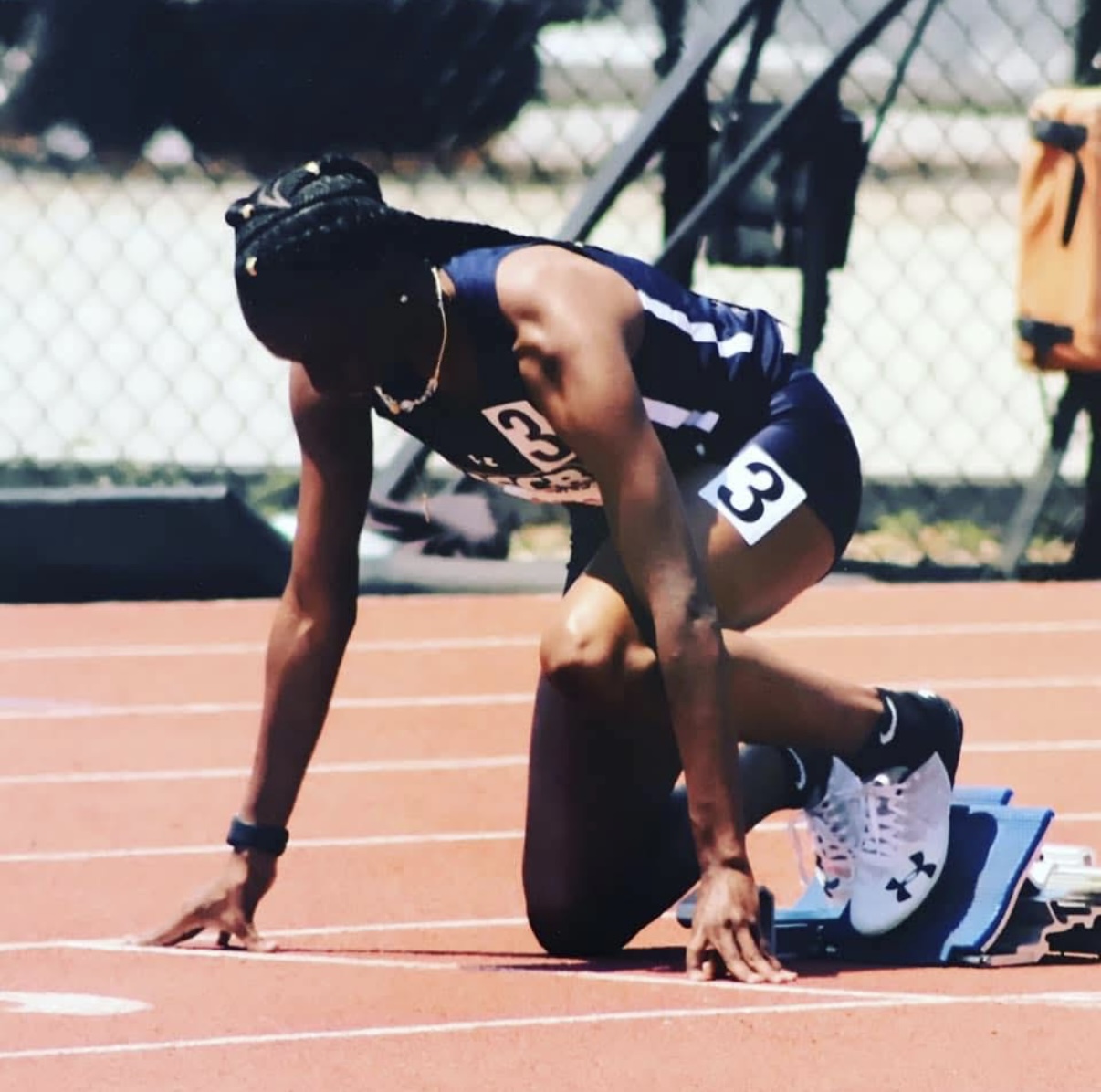
Here’s something most young athletes never get taught: speed and explosiveness are skills, not just gifts you’re born with. The acceleration that beats a defender to the corner, the first step that creates separation, the power behind a jump or a throw — all of it can be developed with the right mechanics and progression. That’s the work our coaches do. Athletes Untapped connects athletes across Lexington, Cayce, Irmo, and Chapin with private strength and speed coaches who build genuine athleticism that carries into whatever sport they play.
How Athletic Development Translates Across Every Sport
Strength and speed training isn’t tied to one game — it’s the foundation underneath all of them. A faster, more powerful, better-moving athlete is a better football player, soccer player, basketball player, or sprinter. Working one-on-one with one of our Lexington County coaches, athletes develop the acceleration, change-of-direction, and functional strength that show up the moment they step onto their field or court. Whether your athlete competes in a Lexington County Recreation league or for a high school program like River Bluff or White Knoll, the goal is the same: move better, move faster, and hold up over a long season.
Speed, Acceleration, and Change-of-Direction Mechanics
Real speed is about more than running in a straight line. Our coaches teach the sprint mechanics that make athletes faster — arm action, posture, and clean ground contact — alongside the acceleration work that builds an explosive first step. Just as important is agility: the cutting, decelerating, and reactive footwork that competition actually demands. Through sprint technique, ladder and cone work, and lateral movement drills, athletes develop the game-speed quickness that separates them from the pack.
Building Power and Functional Strength the Right Way
Strength training, done properly, makes athletes more explosive and more durable. Our coaches emphasize movement quality first — proper squat and hinge patterns, landing mechanics, core stability, and body control — before layering on intensity. For younger athletes especially, training is scaled to their developmental stage, using bodyweight and controlled resistance to build a safe, athletic foundation. This careful, technique-first approach develops real power without sacrificing form or rushing progression.
Injury Prevention, Mobility, and Long-Term Durability
The fastest, strongest athlete in the world isn’t much help on the sidelines. A major part of our coaches’ work is keeping athletes healthy: building balanced strength that supports joints, improving mobility, and teaching the landing and deceleration mechanics that prevent common sports injuries. Recovery and proper movement patterns are built into the process, not treated as afterthoughts. The result is an athlete who not only performs better but holds up through the grind of a competitive season.
Sport-Specific Training Tailored to the Athlete’s Goals
General athleticism matters, but the best programs connect it to the demands of the athlete’s actual sport. Our coaches tailor sessions accordingly — a football player working on first-step quickness, a soccer player on separation speed, a basketball player on vertical explosiveness, a multi-sport athlete on all-around movement. Sessions flex around school, team practice, and the seasons, with progress measured and the plan adjusted as the athlete develops. Wherever the starting point, the training is built around that individual’s goals.
Common FAQs
👀How much does private strength and speed coaching cost in Lexington County?
Private strength and speed training in the Lexington area generally runs about $40–$100 per session, depending on the coach’s experience, session length, and whether it’s one-on-one or a small group. Many of our coaches offer package rates that lower the per-session cost for athletes training regularly. Small-group sessions with teammates are another way families keep it affordable.
⭐Is strength training safe for young athletes?
Yes, when it’s age-appropriate and properly coached. Our coaches prioritize movement quality, technique, and gradual progression — starting younger athletes with bodyweight and controlled resistance rather than heavy loads. Done correctly, this kind of training actually reduces injury risk by building balanced strength and sound movement patterns, while developing real athleticism over time.
💪 At what age can an athlete start strength and speed training?
Many athletes begin structured work around ages 9–12, focusing first on coordination, body control, and movement quality rather than heavy lifting. Younger athletes can absolutely benefit from speed mechanics and bodyweight strength, with the program scaled to their developmental stage. Our coaches adjust the approach to each athlete’s age and readiness.
⚡What kinds of drills will my athlete actually do in a session?
Sessions typically blend sprint technique, acceleration and agility work (ladder drills, cone patterns, lateral movement), plyometrics for explosiveness, and foundational strength exercises emphasizing proper form. The exact mix depends on the athlete’s sport, age, and goals. The focus throughout is on quality movement that translates to real competition rather than random, generic workouts.
⌚