














Individualized Mental Performance Coaching in Deerfield, IL
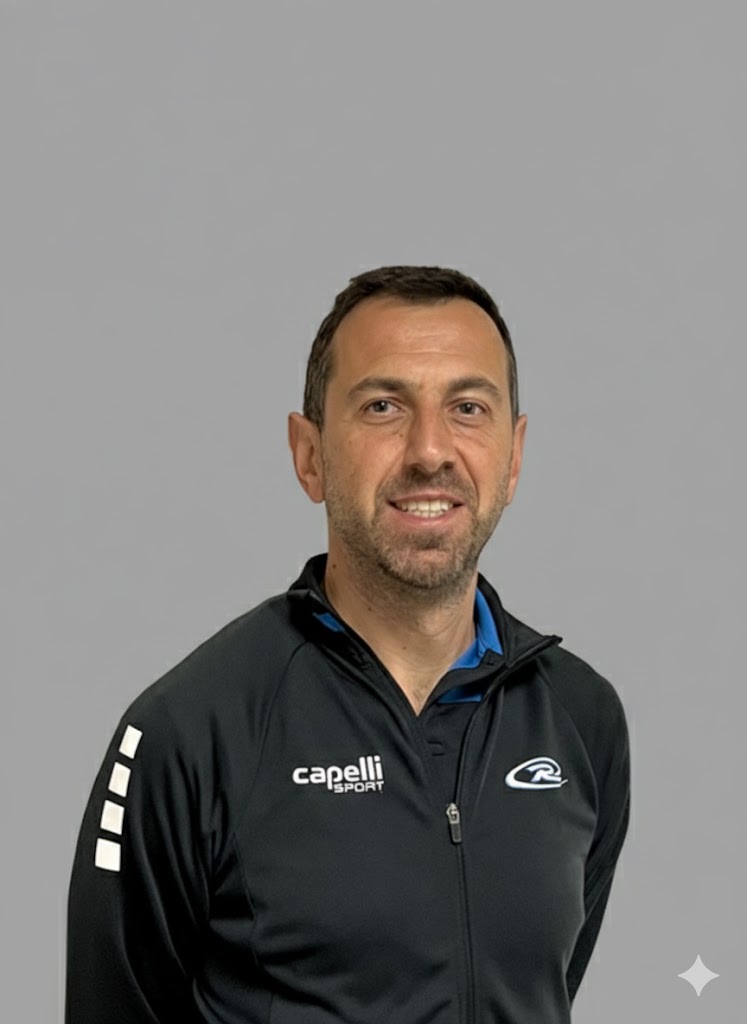
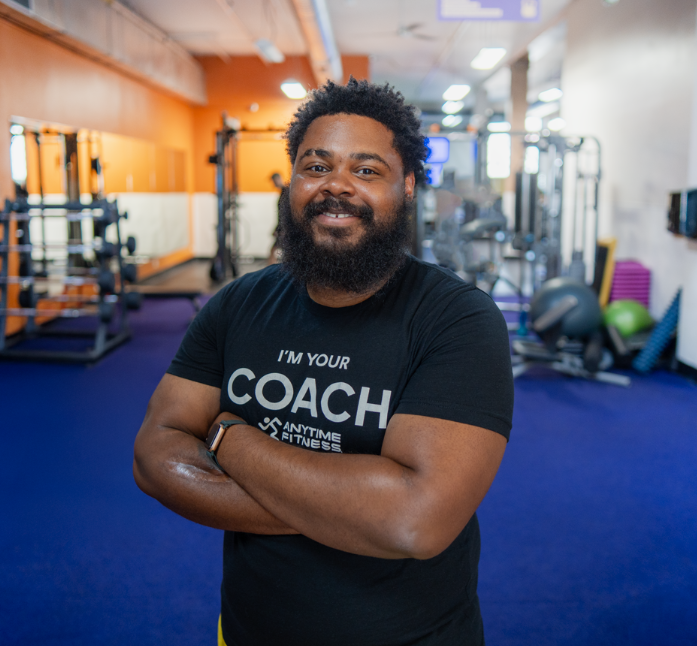
At Athletes Untapped, we understand that peak athletic performance starts with a strong mindset. Our individualized mental performance coaching in Deerfield focuses on improving focus, confidence, resilience, and game‑day preparation. Coaches work one‑on‑one with players to identify mental barriers and develop strategies that support consistent, high‑level performance under pressure.
Private Mental Performance Lessons in Deerfield, IL
Private sessions give athletes a chance to work closely with expert coaches on visualization, goal‑setting, pre‑performance routines, concentration techniques, and stress‑management skills. Each session is tailored to your age, sport, and personal goals, giving you tools to perform better in competition and life.
Youth & Adult Mental Performance Training in Deerfield, IL
Mental performance coaching isn’t just for elite athletes — it’s for everyone who wants to perform at their best. Coaches offer programs for youth, high school, and adult athletes, helping them build confidence, reduce anxiety, and develop the mental skills needed to handle both wins and setbacks.
Mental Performance Skill Development and Game Advancement in Deerfield, IL
Athletes Untapped coaches bridge the gap between training and competition. You’ll learn actionable skills like focus routines, performance visualization, positive self‑talk, and situational mindset strategies that directly improve your ability to perform under pressure.
Mental Fitness Programs in Deerfield, IL
Just like physical fitness, mental fitness needs regular training. Coaches guide athletes through exercises designed to build mental resilience, task focus, stress tolerance, and confidence so you stay sharp throughout training and competition.
Common FAQs
🧠 How Much Does Private Mental Performance Coaching Cost in Deerfield, IL?
Private mental performance coaching in Deerfield, IL typically ranges from $60–$150 per session, depending on the coach’s experience, background in sports psychology, and session length. Some coaches offer package pricing for ongoing training, which can make consistent work more affordable. Since mental skills develop over time, many athletes train weekly or biweekly to build routines that stick. Investing in mental performance coaching helps athletes not just in sports, but in school, leadership, and handling pressure in everyday life.
⌚ What Age Should Kids Start Mental Performance Coaching?
Athletes can start mental performance coaching as young as 8–10 years old, especially once they begin playing organized sports more competitively. At younger ages, sessions focus on confidence, focus, handling mistakes, and having a healthy mindset around sports. As athletes get older, coaching expands into goal setting, visualization, stress management, and performing under pressure. Starting early helps athletes build strong habits before negative self-talk or performance anxiety become patterns.
💪 Is Mental Performance Coaching Worth It for Young Athletes?
Absolutely. Mental performance coaching gives young athletes tools to manage nerves, bounce back from mistakes, and stay confident during tough moments in games. Many performance slumps are mental, not physical — and learning how to reset, refocus, and stay composed can make a huge difference.
⭐ How Do I Find the Best Mental Performance Coach in Deerfield, IL?
Look for coaches with backgrounds in sports psychology, performance coaching, or high-level athletic experience. The best mental performance coaches know how to connect with athletes, communicate in age-appropriate ways, and make sessions engaging rather than lecture-based. Ask about their approach — do they teach visualization, breathing techniques, confidence-building routines, and focus strategies? A great coach will personalize sessions based on your athlete’s sport, personality, and goals.
👀 What Should I Look for in a Mental Performance Coach for My Child?
You want someone who builds trust, positivity, and accountability. The right coach helps athletes feel comfortable talking about challenges like nerves, mistakes, or confidence dips without fear of judgment. They should teach practical tools your child can actually use before games, during competition, and after setbacks.