













Pitching Delivery Mechanics and Balance Point
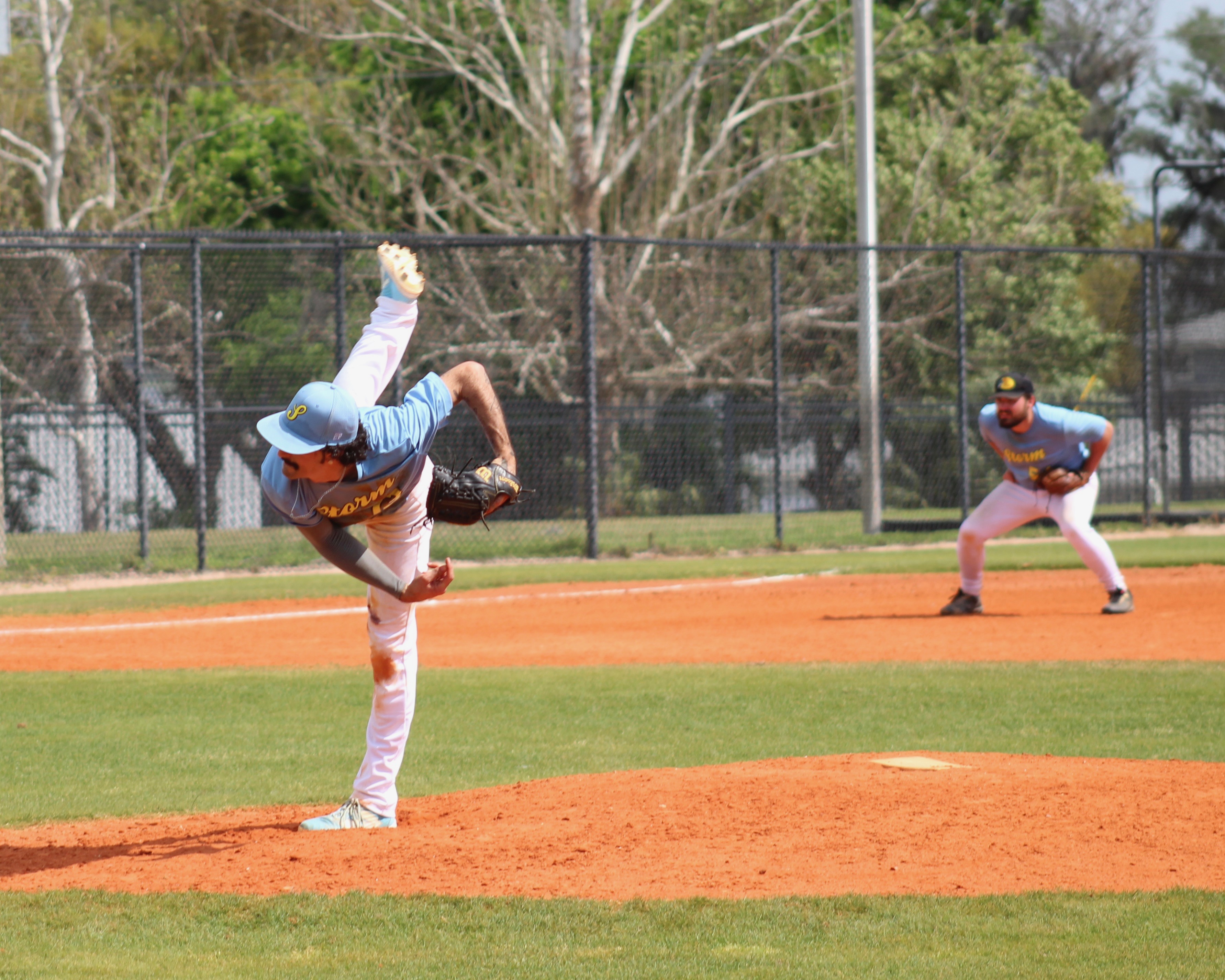
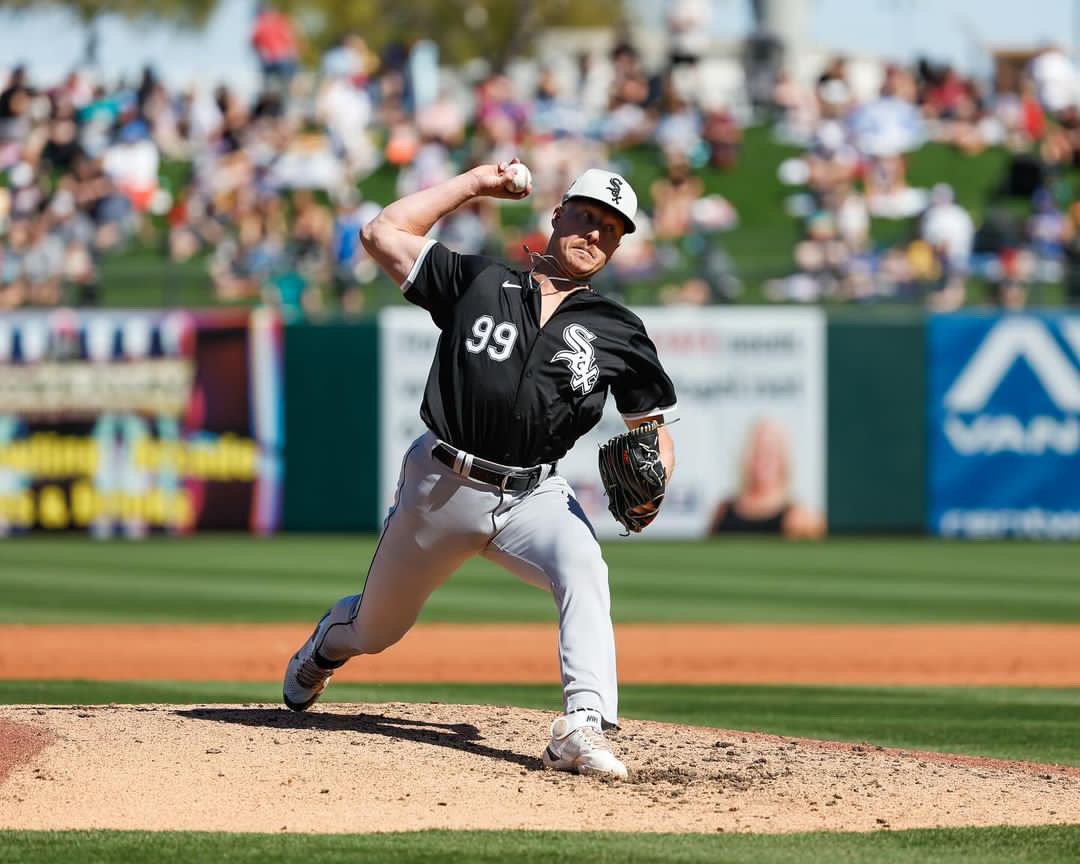
A dominant pitching delivery requires a repeatable, fluid sequence that maximizes velocity while protecting arm health. Begin with a balanced setup on the rubber, keeping your weight centered and your posture upright. As you lift your lead leg into your balance point, pause momentarily to establish complete control and structural stability. Drive down the mound with your back leg while keeping your hands separated in a powerful, loaded position. Mastering your delivery mechanics ensures you repeat your release point pitch after pitch.
Arm Slot Consistency and Optimizing Stride Length
Maintaining a consistent arm slot is essential for accurate command and deceptive movement on your pitches. Whether you throw over-the-top or three-quarters, your arm path must remain uniform across all fastball and off-speed deliveries. Optimize your stride length so that your landing foot points directly toward home plate upon front-foot plant. Short or over-extended strides alter your release point and cause pitches to miss high or low in the zone. Consistency in your arm slot keeps hitters guessing and prevents mechanical fatigue.
Developing a Pitch Mix and Precise Command
Elite pitchers rely on a diverse repertoire and pinpoint command to dismantle opposing batting orders. Master your primary fastball with both four-seam velocity and two-seam sinking movement to attack different parts of the zone. Complement your fastball with devastating breaking balls like sliders or curveballs that break sharply out of the strike zone. Changeups provide a crucial speed differential that disrupts hitter timing when thrown with identical arm speed. Developing precise command allows you to pitch ahead in the count and dictate terms to hitters.
Pitching Strategy and Mental Resilience on the Mound
Pitching is as much a mental chess match as it is a physical display of athletic talent. Execute a strategic game plan by exploiting hitter weaknesses and changing eye levels with high fastballs and low off-speed pitches. When adversity strikes or a hitter reaches base, maintain your composure and refocus on executing the next pitch. Trust your catcher’s game calling and avoid overthinking high-leverage situations on the mound. Unshakable mental resilience separates winning pitchers from erratic throwers.
Arm Care Routines and Injury Prevention
Protecting your throwing arm requires a dedicated, year-round regimen focused on flexibility, strength, and recovery. Implement structured warm-up bands and long-toss programs to prepare your shoulder and elbow tissues before throwing. Prioritize post-throwing recovery protocols, including ice, targeted stretching, and adequate rest days between outings. Listen closely to your body and communicate immediately with trainers if you feel unusual discomfort. Prioritizing arm care ensures longevity and sustained velocity throughout your baseball career.
Frequently Asked Questions (FAQs)
How can a pitcher increase their fastball velocity safely? Fastball velocity increases through lower-body leg drive, core rotational strength, and proper sequencing rather than straining your arm. Incorporating long-toss programs and weighted ball routines under supervision also builds arm speed.
What causes a pitcher to consistently miss high in the strike zone? Missing high is often caused by opening your front shoulder too early, shortening your stride, or failing to follow through completely. Ensuring your chest drives toward the catcher corrects this high miss pattern.
How do you throw a changeup with deceptive arm speed? Grip the changeup deep in your hand with a circle change or palmball grip to naturally take velocity off the pitch. The key is to commit to the exact same arm speed and acceleration as your fastball delivery.
How can a pitcher recover their mental focus after giving up a home run? Take a deep breath, reset behind the mound, and flush the previous result immediately to focus solely on the next batter. Dwelling on a mistake pitch often leads to compounded errors and prolonged innings.
What is the most important part of a pitcher’s arm care routine? Consistent band work and dynamic shoulder mobility exercises before throwing are essential to activate the rotator cuff. Post-throwing arm care is equally important to flush lactic acid and accelerate tissue recovery.