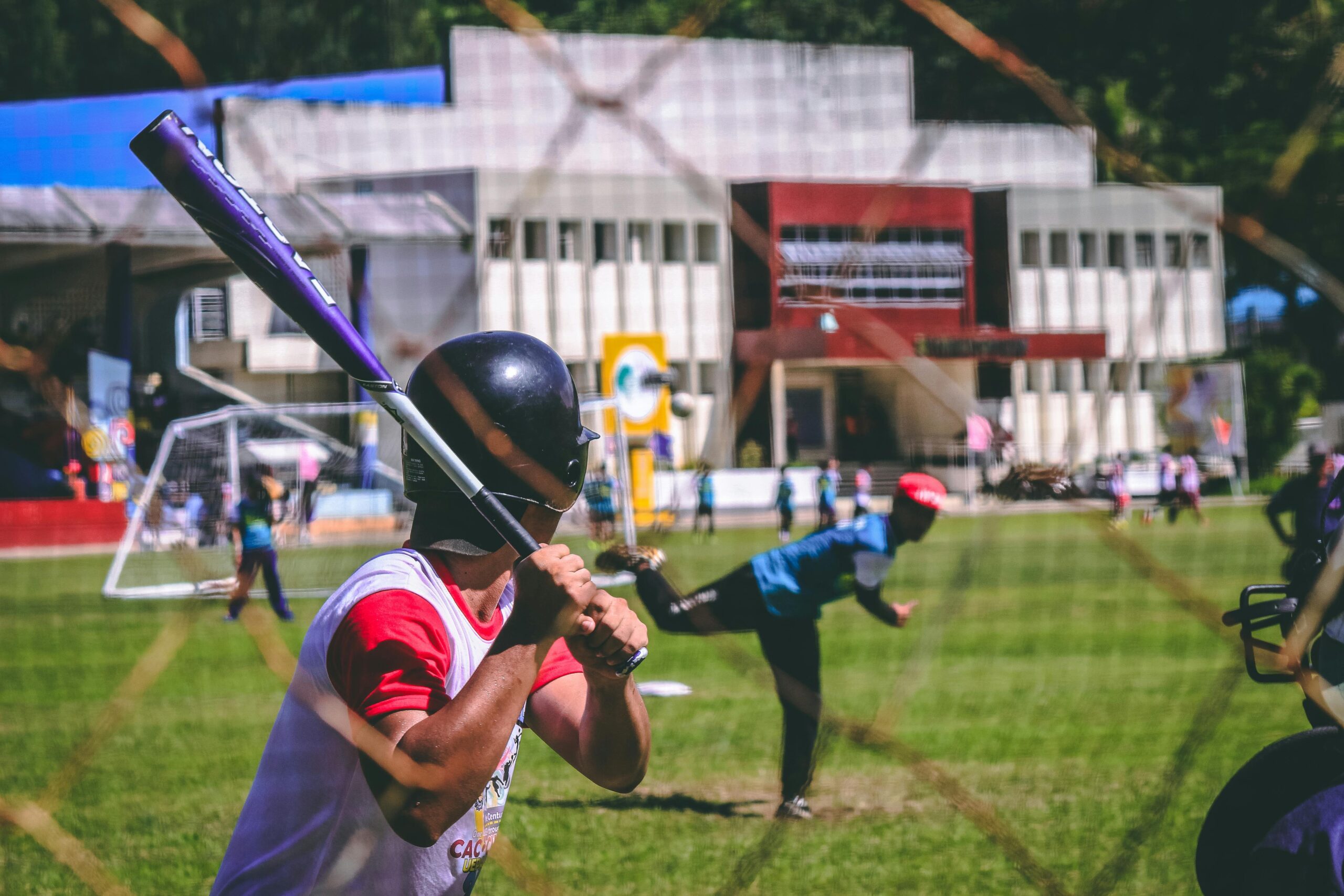
In baseball, throwing a 90 mph fastball or making a deep throw from the shortstop hole is a coveted skill, but the overhand throwing motion itself is one of the most violent, unnatural actions in all of sports. You can have perfect pitching mechanics and explosive leg drive, but if the muscles, tendons, and ligaments in your shoulder and elbow are fraying from overuse and neglect, your career will be derailed by injury before it even begins.
At Athletes Untapped, we notice that many young baseball players treat arm care as a complete afterthought. They show up to the field, grab a ball, throw a few lazy tosses to loosen up, and immediately start throwing at maximum effort. This lack of structural preparation leads to dead-arm phases, severe velocity drops, and the terrifyingly common epidemic of ulnar collateral ligament (UCL) tears requiring Tommy John surgery.
The secret to throwing harder, recovering faster, and staying on the field all season lies in a strict arm care protocol. Proper training fixes these tissue preparation and deceleration issues, allowing players to activate their rotator cuffs, build bulletproof scapular stabilizers, and safely manage their throwing workload day in and day out.
Connect with a Private Baseball Coach: https://athletesuntapped.com/browse/baseball/
Why This Skill Matters for Athlete Development
Your arm health dictates your entire future in the sport of baseball. Without a dedicated arm care routine, your talent is living on borrowed time.
- Game Performance: Elite arm care directly translates to velocity maintenance. When your decelerator muscles (the brakes of your arm) are just as strong as your accelerator muscles (the engine), your central nervous system naturally allows you to throw the ball harder. Furthermore, a well-maintained arm retains its velocity in the late innings of a game, while a fatigued arm loses its life and movement.
- Confidence: I have seen athletes improve faster when they spend 15 focused minutes on band activation and mobility drills before they ever pick up a baseball. When throwing pain-free becomes the standard, players stop aiming or guarding their arms. They gain the composure to trust their stuff, let it eat, and throw with maximum intent without the lingering fear of feeling a “pop” in their elbow.
- Long-Term Development: As you progress to high school, travel ball, and collegiate baseball, the amount of games and innings you play skyrockets. A biomechanically sound arm care foundation protects you from the cumulative stress of year-round throwing. It provides the physiological resilience needed to bounce back between starts or heavy throwing days, ensuring your arm scales safely as you face the grueling demands of the next level.
Best Drills / Tips / Techniques
You cannot master arm care by simply putting ice on your shoulder after you pitch. You need isolated, proactive resistance exercises to train the tiny stabilizer muscles in the back of the shoulder. Here are 5 protocols AU coaches use to build an unbreakable throwing arm.
1. J-Band Activation Routine
How to perform it: Clip a set of surgical tubing resistance bands (like J-Bands) to a chain-link fence at chest height. Run through a strict progression of internal and external rotations, forward and backward flies, and triceps extensions. Perform 10 to 15 highly controlled repetitions for each movement before you pick up a baseball.
Why it works: Throwing a baseball cold is a recipe for disaster. This drill forces blood flow into the rotator cuff and dynamically warms up the exact muscles that will be firing during the throwing motion, lubricating the shoulder joint and preparing the tissue for extreme stress.
Coaching tips: Do not back up so far that the bands have maximum tension. The goal is activation and blood flow, not a heavy weightlifting session.
Common mistakes: Rushing through the reps and using body momentum to snap the bands back and forth. You must isolate the shoulder and use a slow, controlled tempo.
2. Reverse Throws (Plyo Care Balls)
How to perform it: Kneel on the ground about two feet away from a padded wall or net, facing away from the wall. Hold a heavy plyometric weighted ball (usually 1 to 2 pounds). Start with your arm extended in front of you, and violently throw the ball backward over your shoulder against the wall, catching it as it bounces back.
Why it works: The most damaging part of the throwing motion is the deceleration phase—the exact moment after you release the baseball when your arm is trying to stop. This drill isolates and strengthens the posterior shoulder muscles (the brakes), ensuring they are strong enough to handle the violent speeds generated by the front of your body.
Coaching tips: Keep your torso locked and stable. The backward throwing motion should come entirely from the scapula and the back of the shoulder.
Common mistakes: Doing this drill with standard baseballs. You need the overload of a heavier, sand-filled plyo ball to properly challenge the deceleration muscles.
3. Y-T-W-L Scapular Raises
How to perform it: Lie face down on an incline bench or flat on the floor. Holding very light dumbbells (2 to 5 pounds) or no weight at all, raise your arms to form a “Y” shape with your body, then a “T” shape, then a “W” shape, and finally an “L” shape. Hold each peak contraction for two seconds.
Why it works: The scapula (shoulder blade) is the foundation of the throwing arm. If the scapula does not move properly or is weak, the stress transfers directly to the fragile elbow. This drill builds elite scapular stability and upward rotation, allowing the arm to travel freely through the throwing slot.
Coaching tips: Squeeze your shoulder blades together as if you are trying to crush a grape between them at the top of every repetition.
Common mistakes: Using weights that are too heavy. If you have to use momentum or arch your lower back to lift the dumbbells, the weight is completely overriding the small stabilizer muscles you are trying to target.
4. The 90/90 Stretch (Mobility)
How to perform it: Sit on the ground with your lead leg bent in front of you at a 90-degree angle, and your trail leg bent behind you at a 90-degree angle. Keep your chest tall and slowly hinge forward over your front knee until you feel a deep stretch in your hip capsule. Hold for 30 seconds, then switch sides.
Why it works: Arm care is not just about the arm. The throwing motion originates in the ground and transfers up through the hips and core. If your hips are tight, your body will overcompensate by forcing the shoulder and elbow to generate all the velocity, leading to rapid breakdown. Hip mobility is arm care.
Coaching tips: Do not round your back to get closer to the floor. The hinge must come strictly from the waist to isolate the hip joint.
Common mistakes: Skipping lower-body mobility entirely. Pitchers often stretch their arms endlessly but ignore the rotational engine (the hips) that actually protects their upper body.
5. Active Recovery (Post-Throwing)
How to perform it: Immediately after you finish pitching or a heavy throwing session, do not just sit in the dugout. Grab a light resistance band or a light plyo ball and perform 5 minutes of extremely light, flush-out movements (like reverse throws or band pull-aparts) followed by a light jog.
Why it works: Throwing creates micro-tears in the muscle tissue and a buildup of metabolic waste. Active recovery acts as a pump, forcing fresh, oxygenated blood into the shoulder to flush out the waste and jump-start the healing process before the muscles stiffen up.
Coaching tips: The effort level during post-throwing recovery should be a 2 out of 10. You are just trying to move the blood, not break a sweat.
Common mistakes: Immediately strapping a bag of ice to the shoulder. While ice numbs pain, it constricts blood vessels and traps the metabolic waste inside the joint, significantly slowing down the biological healing process.
Common Mistakes Athletes Make
Arm care errors are incredibly common in youth and high school baseball, mostly due to outdated traditions and a lack of modern physiological education.
Throwing to Warm Up: Showing up to the field and immediately playing catch to get loose.
How to fix it: Warm up to throw, do not throw to warm up. You must sweat before you touch a baseball. Do a dynamic running warm-up, band activation, and plyo drills first.
Ignoring Pitch Counts and Workload: Throwing 90 pitches on a Friday night, and then playing shortstop in a doubleheader on Saturday. This is the fastest route to Tommy John surgery.
How to fix it: Track every single throw. If you pitch heavily, you must have dedicated days of rest and light throwing. The arm has a limited number of “bullets” per week; you cannot play a premium throwing position the day after you pitch.
Pushing Through “Sharp” Pain: Assuming that all arm pain is just normal soreness and trying to grit your teeth and throw through it to be tough.
How to fix it: Learn the difference between soreness and injury. General muscle fatigue in the belly of the muscle is soreness. Sharp, stabbing, or localized pain directly inside the elbow joint or deep inside the front of the shoulder is an injury. Stop throwing immediately.
Using Weighted Baseballs Incorrectly: Buying a set of heavy weighted balls online and just throwing them as hard as possible to build velocity without a coach’s supervision.
How to fix it: Weighted ball programs are highly effective but incredibly dangerous if used incorrectly. They should only be used as part of a heavily structured, coach-monitored program with built-in on-ramping and off-ramping phases.
How Private Coaching Accelerates Improvement
Arm care is a highly individualized science. Trying to self-diagnose whether your shoulder pain is caused by a weak decelerator muscle, a mechanical flaw in your arm action, or poor hip mobility is practically impossible for an athlete to do alone.
This is where private coaching is essential. Private coaching provides faster physical development by utilizing expert eyes, slow-motion mechanical analysis, and structured workload management. A private baseball coach offers personalized feedback tailored to your specific arm slot and throwing history, making it easy to catch habits like an “inverted W” arm action immediately. This targeted instruction allows athletes to focus on correcting the root cause of the stress early before it results in a ligament tear. Ultimately, mastering your arm care in a 1-on-1 environment provides massive confidence building, allowing you to step onto the diamond knowing your arm is resilient, healthy, and prepared to dominate.
Find a Private Baseball Coach: https://athletesuntapped.com/browse/baseball/
Frequently Asked Questions About Baseball Arm Care
How often should athletes do an arm care routine?
A band activation and mobility routine should be done every single day you intend to throw a baseball. A heavier arm-strengthening routine (using weights or heavy plyo balls) should be done 2 to 3 times a week during the off-season or on dedicated bullpen days.
Should I use ice or heat after I pitch?
Modern sports science heavily favors active recovery and light movement over icing. Ice is good for numbing acute pain or swelling from a traumatic injury (like getting hit by a pitch), but it restricts blood flow, which delays muscle recovery after normal pitching.
What is the best way to rest my arm?
Total rest (putting the ball down for 2-3 months) is essential during the winter off-season. However, during the season, “active rest” is better than doing nothing. Light tossing and band work promote blood flow and healing much faster than complete inactivity.
Can playing multiple sports help my arm?
Yes. Specializing in baseball year-round is the leading cause of youth arm injuries. Playing sports like basketball, soccer, or swimming during the off-season develops different movement patterns and gives the throwing arm a much-needed break from the repetitive stress of baseball.
Do private coaches help with this?
Absolutely. Private baseball and pitching coaches are essential for breaking down the biomechanics of your throw, building a safe, customized throwing program, and isolating specific mobility flaws so you can protect your arm and maximize your velocity.
Conclusion
A strict arm care protocol is the undeniable foundation of a healthy, high-velocity, and long-lasting baseball player. Without it, you are leaving your physical health entirely up to chance and playing a dangerous game of roulette with your ligaments. Improvement is highly achievable with proper training, but it requires extreme discipline and the maturity to prepare your body before you step on the field. Encourage yourself to focus on your band work and your recovery before you focus on the radar gun, and consistent practice will inevitably yield a bulletproof arm that is ready to compete when it matters most.
Train With a Private Baseball Coach
- Athletes Untapped connects athletes with vetted private coaches across the country for one-on-one training.
- Private coaching helps athletes:
- improve faster
- build confidence
- receive personalized feedback
- reach their full potential
About Athletes Untapped
Athletes Untapped connects baseball players with experienced private coaches who specialize in arm care protocols, throwing mechanics, and velocity development. Through personalized instruction and structured training plans, Athletes Untapped helps pitchers and position players improve their arm health, eliminate pain, and build sustainable, explosive velocity.
Find an experienced coach near you: https://athletesuntapped.com
Learn from our very best Coach!