Why the Setter Is the Most Important Position on the Court
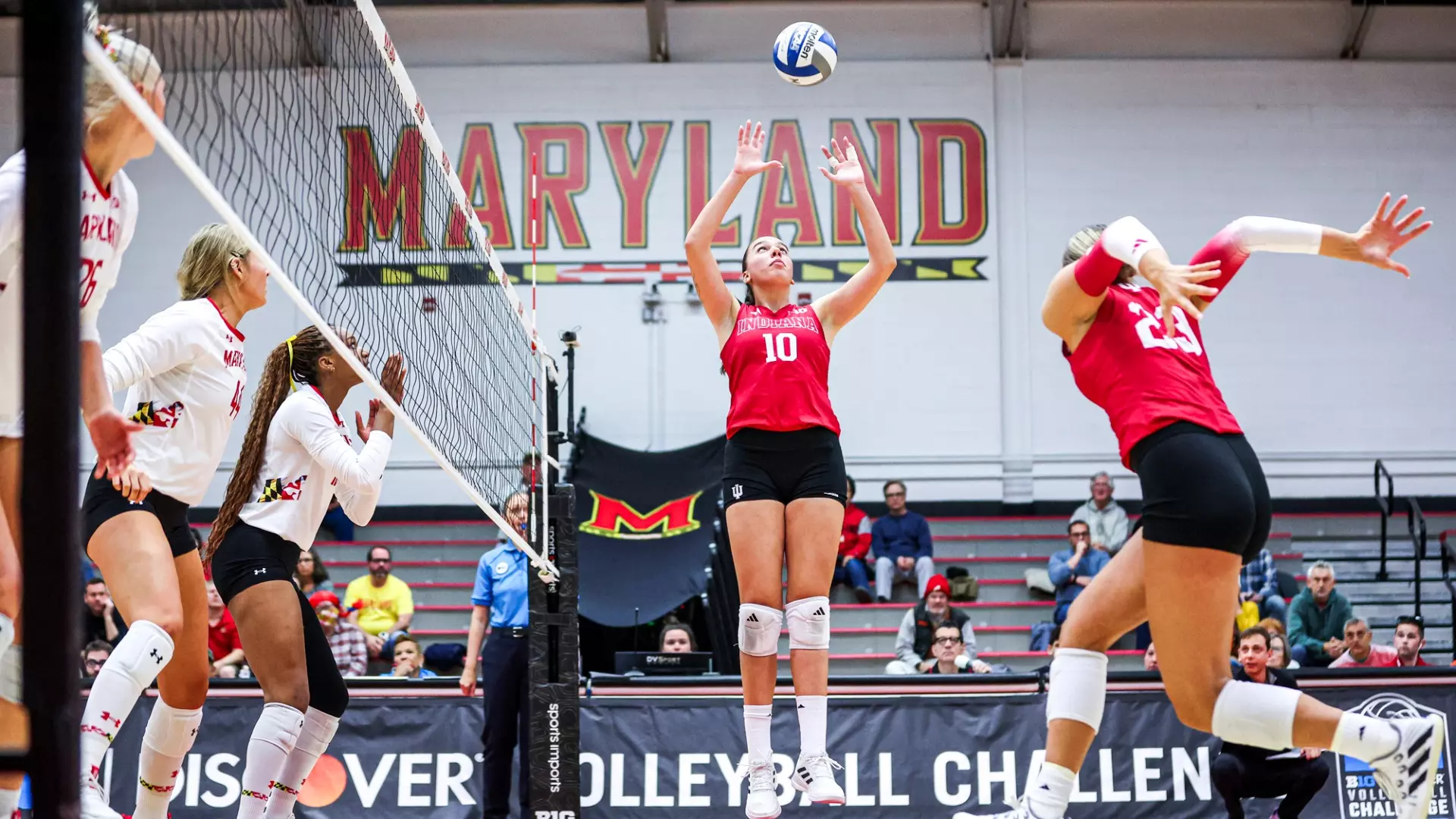
The setter is often considered the quarterback of a volleyball team. Every offensive play flows through the setter, making their decisions critical to the team’s success. A skilled setter not only delivers accurate sets but also reads the defense and chooses the best attacking option.
For youth athletes, learning how to set effectively goes beyond technique. It involves developing court awareness, communication skills, and the ability to make quick decisions under pressure.
Setters who master these skills become leaders on the court and help their teams perform at a higher level. If you are looking to sharpen your other skills in volleyball, read this blog!
The Importance of Decision-Making
Setters must make split-second decisions during every rally. They must quickly evaluate the quality of the pass, the positioning of their hitters, and the defensive alignment of the opposing team.
Good decision-making allows setters to:
- Distribute the ball effectively
- Keep the defense guessing
- Maximize scoring opportunities
Poor decisions, on the other hand, can make the offense predictable and easier to defend.
Reading the Defense
One of the most valuable skills for a setter is the ability to read the opposing defense. By observing blockers and defenders, setters can identify weaknesses and adjust their strategy.
Key things to look for include:
- The position of blockers at the net
- Gaps in the defense
- Defensive shifts during the rally
Setters who recognize these patterns can make smarter decisions and create better scoring opportunities.
Improving Ball Placement
Accurate ball placement is essential for successful attacking. Setters must deliver the ball to the correct location with the right height and timing.
Important aspects of ball placement include:
Consistency
Setters should aim to deliver the ball to the same location for each type of set.
Timing
The ball must arrive at the perfect moment for the hitter’s approach.
Location
Sets should be placed where hitters can attack effectively while avoiding blockers.
Practicing these elements helps setters develop reliable and precise sets.
Communication With Teammates
Communication is a critical part of the setter’s role. Setters must communicate with hitters to understand their preferences and adjust sets accordingly.
Clear communication helps:
- Build trust between players
- Improve timing on attacks
- Reduce confusion during plays
Setters who communicate effectively often lead more organized and successful offenses.
Drills to Improve Setting Skills
Several drills help setters improve both technique and decision-making.
Target Setting Drill
Setters practice delivering the ball to a specific target area repeatedly.
Movement Setting Drill
Setters move to different positions on the court before setting the ball. This improves footwork and adaptability.
Game Simulation Drill
Setters practice making decisions during simulated game situations, choosing which hitter to set based on defensive positioning.
These drills help setters develop both technical and mental skills.
Mental Focus and Leadership
Setters must remain calm and focused during matches. Because they touch the ball on nearly every play, they must handle pressure and maintain composure.
Leadership is another important aspect of the position. Setters often guide their teammates, call plays, and encourage communication.
Developing confidence and leadership skills helps setters perform effectively under pressure.
Fun Fact: Setters Control the Offense
In volleyball, the setter determines how the offense operates. By choosing which hitter to set and where to place the ball, setters influence the outcome of nearly every rally.
This makes the position one of the most strategic roles in sports.
Common Mistakes Setters Make
Youth setters often face challenges as they develop their skills.
Focusing Only on Technique
While technique is important, decision-making and awareness are equally critical.
Predictable Setting
Setting the same hitter repeatedly makes the offense easier to defend.
Poor Communication
Lack of communication can lead to mistimed attacks and confusion.
Addressing these mistakes helps setters become more effective playmakers.
Building Confident and Effective Setters
Setters improve through repetition, feedback, and experience. Practicing different scenarios helps them develop the ability to make quick and effective decisions during matches.
Encouraging setters to stay confident and learn from mistakes helps them grow into strong leaders on the court.
Conclusion: Running a Smarter Offense
Setters play a central role in volleyball success. By improving decision-making, ball placement, and communication, youth athletes can run more effective offenses and create scoring opportunities for their teams.
With consistent practice and a focus on both physical and mental skills, setters can elevate their performance and become leaders on the court.
Athletes Untapped: Private Volleyball Coaching
Athletes Untapped connects youth volleyball players with experienced private coaches who specialize in setting, decision-making, and overall game performance. Personalized sessions focus on improving ball placement, court awareness, and offensive strategy.
Through one-on-one instruction, athletes receive individualized feedback and targeted drills that help them develop into confident and effective setters.
With improved decision-making and leadership skills, youth volleyball players can take control of the game and elevate their team’s performance.
Find an experienced coach near you: https://athletesuntapped.com
Learn from our very best Coach Kelly and Coach Jeremy!