
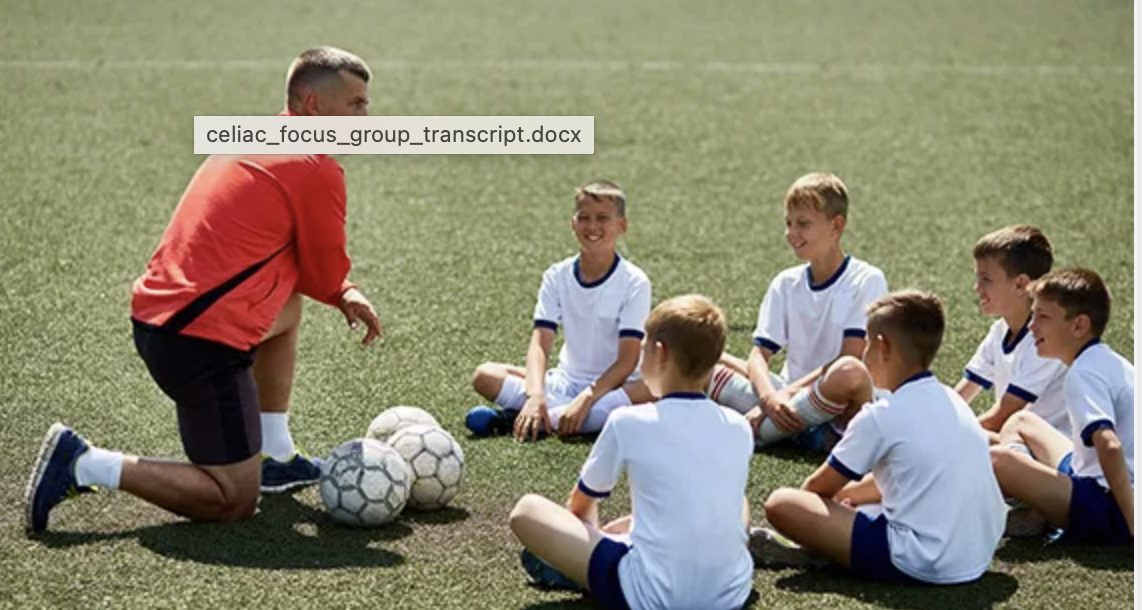
Global Spotlight on U.S. Soccer
Every four years, the FIFA World Cup sends a wave of excitement through the world’s most popular sport. In 2026, that wave is hitting home — literally. With the United States co-hosting the tournament alongside Mexico and Canada, youth soccer advocates are hoping the spotlight translates into a long-overdue surge in participation, investment, and infrastructure at the grassroots level.
Growth in Youth Development Leagues and Infrastructure
Already, the World Cup effect is visible in the numbers. MLS NEXT, the top development league for elite youth players, has expanded from 143 clubs and 15,000 players in the 2023–24 season to more than 230 clubs and 25,000 players in 2025–26. Cities across the country are racing to build new soccer pitches ahead of the tournament: New York is adding 26 fields to its existing 50, Chicago has completed 50 new pitches, and Houston is targeting 30 by 2026.
Innovations in Elite Player Development
The most ambitious initiative is unfolding in San Diego, where San Diego FC is launching the first fully funded, residential soccer academy in MLS NEXT. The academy accepts students based purely on talent — no tuition. If the model proves viable, other MLS clubs are widely expected to follow, potentially reshaping how elite youth development works in the United States. Philanthropic investment is also accelerating: the Soccer Forward Foundation has invested more than $16 million in the game and recently received a $25 million gift specifically earmarked for women’s soccer equity.
Barriers to Participation: The Cost of Youth Soccer
Despite all the energy, there are sobering undercurrents. Participation in youth soccer for kids ages 6–12 has actually dropped 5.5% from 2013 to 2023, according to the Sports & Fitness Industry Association. Researchers and advocates point to a familiar culprit: cost. The average family spends $1,188 annually for a child to play soccer in the United States — the most expensive of any major youth sport. Club fees, tournament costs, travel, equipment, and uniforms stack up quickly, pricing out many of the families who are most energized by the World Cup’s arrival.
Looking Ahead: A Potential Turning Point
The hope is that 2026 becomes a genuine inflection point — a moment when the country channels its soccer fever into more accessible, community-rooted programs that can sustain young players long after the tournament spotlights have dimmed. As excitement builds for the 2026 FIFA World Cup, platforms like Athletes Untapped are helping turn that global spotlight into real opportunities for young players at home. Families looking to build skills outside of traditional club systems are increasingly exploring personalized training options through Athletes Untapped (https://athletesuntapped.com), where flexibility and accessibility come first. You can also explore additional resources on finding the right coach here: https://athletesuntapped.com/find-a-coach.


